
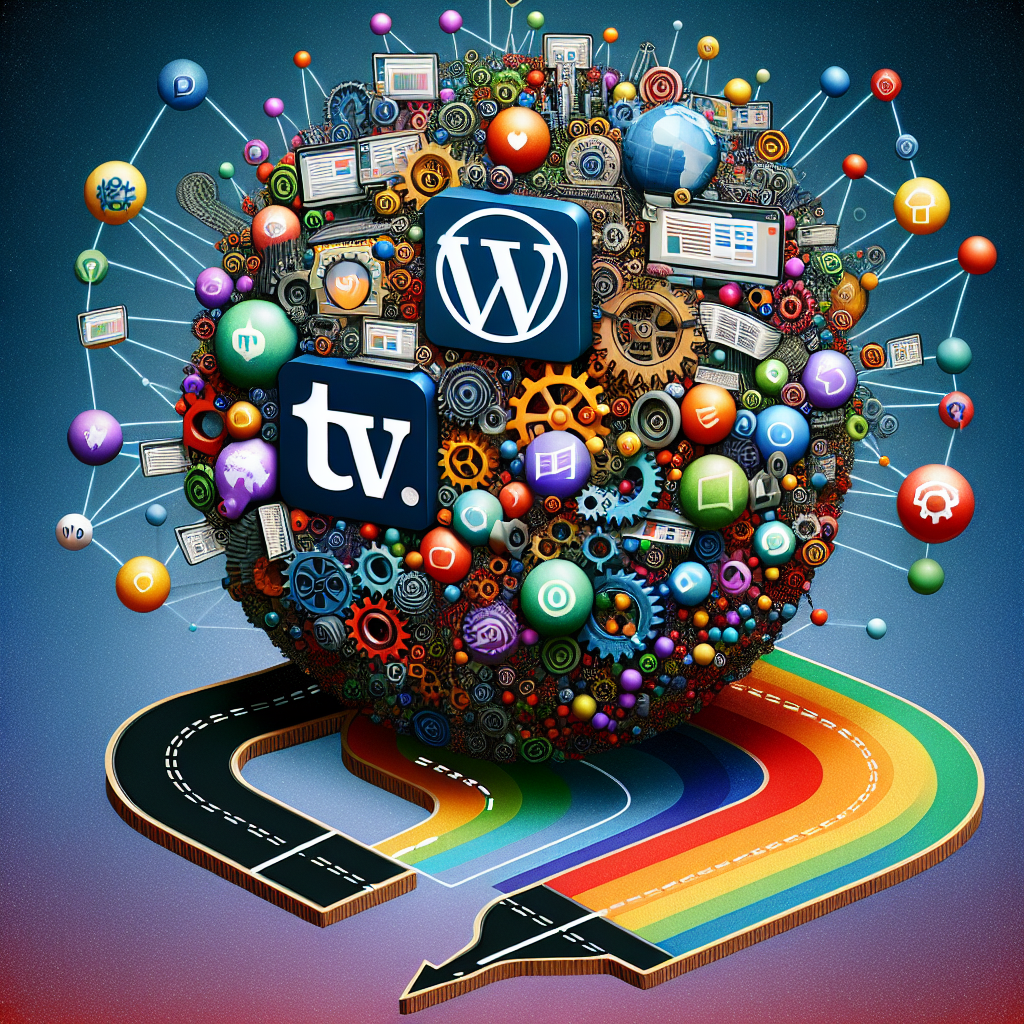
Tumblr Joins the Fediverse: Navigating New Waters After WordPress Migration
In the ever-evolving landscape of social media and digital communication, one name that’s carving out a fresh path is Tumblr. After successfully completing a migration of its infrastructure to that of its parent company, WordPress, Tumblr is setting its sights on the expansive fediverse. But what exactly does this mean for users and what can they expect from this transition? Let’s dive in and explore the myriad facets of Tumblr’s latest strategic move.
Understanding the Fediverse: A New Digital Frontier
Before delving into Tumblr’s upcoming transition, it’s vital to understand what the fediverse is. The term "fediverse" is a portmanteau of "federate" and "universe". Simply put, it’s a collection of interconnected servers used for social networking, microblogging, and web publishing, among other activities.
Key Features of the Fediverse
- Decentralization: Unlike traditional social media platforms, the fediverse is not governed by a single entity. This decentralization is pivotal in providing user autonomy and reducing monopolistic control.
- Interoperability: Nodes or servers within the fediverse can communicate with each other, allowing users on different platforms to interact seamlessly.
- Privacy and Control: Users have greater control over their data and privacy settings, a pressing concern in today’s digital age.
The addition of Tumblr to this nexus not only signifies a technical transformation but a cultural shift in how digital interactions could evolve.
Tumblr’s Migration to WordPress: A Strategic Foundation
Tumblr’s migration to WordPress’s infrastructure wasn’t just a backend update; it was a significant strategic move aimed at fortifying its architecture and services. This migration stands as a cornerstone for its next leap into the fediverse and here’s why it matters:
Enhancements Brought By WordPress Migration
- Scalability: By leveraging WordPress’s robust infrastructure, Tumblr can now handle more users and interactions without compromising speed and performance.
- Security: With enhanced cybersecurity measures, users can expect data safety and protection against online threats.
- Innovation: The integration opens up new possibilities for feature enhancements and services that would have been challenging on Tumblr’s legacy infrastructure.
In essence, the migration sets a solid groundwork, preparing Tumblr for the dynamic demands of the fediverse.
Why is Tumblr Joining the Fediverse?
With the migration phase complete, the bigger question is—why is Tumblr joining the fediverse? This pivot serves several crucial purposes:
Addressing Market Demands
- User Growth: As traditional social media platforms face scrutiny and user fatigue, a void emerges for decentralized and user-centric networks. By entering the fediverse, Tumblr taps into this demand.
- Enhanced Privacy: The new generation of internet users prioritizes privacy. Joining the fediverse aligns with this shift, assuring users of enhanced data control.
Community Expansion
- Diverse Communities: The fediverse caters to niche communities that foster deeper, more authentic interactions. Tumblr’s creative community can harness this for more enriched engagements.
- Cross-platform Synergies: By becoming part of this interconnected network, Tumblr users can interact with users on other platforms like Mastodon, broadening their social horizons without leaving familiar grounds.
Potential Challenges in the Transition
Technical Hurdles
While the benefits are plentiful, the transition isn’t devoid of challenges:
- Integration Complexities: Ensuring seamless communication between Tumblr and the fediverse’s other platforms may require tackling diverse integration issues.
- User Experience Continuity: Maintaining the user-friendly experience Tumblr is known for, amidst these changes, is paramount.
Balancing Centralization and Decentralization
Tumblr will need to strike a balance between its centralized heritage and the fediverse’s decentralization ethos. How Tumblr navigates this dichotomy may influence its future success in this domain.
What Can Tumblr Users Expect?
The shift to the fediverse will usher in new possibilities for Tumblr users. Here’s what they can anticipate:
Enhanced Interaction Capabilities
- Cross-Server Engagements: Users can interact with people outside Tumblr’s traditional domain, enriching their social feeds with diverse content.
- Customizable Experiences: Greater autonomy in crafting personal network experiences, including tailored privacy settings and content visibility.
Creative Opportunities
- Expanded Content Types: Leveraging WordPress’s capabilities could mean new tools and formats to express creativity.
- Community Empowerment: With better tools for community management, users can cultivate more vibrant, interactive groups.
Industry Implications: Setting a Precedent in Digital Evolution
Tumblr’s move serves as a bellwether for other platforms considering decentralization. As digital giants continue to grapple with monopolies, data privacy, and user empowerment, Tumblr’s journey could inspire similar transitions within the industry.
- Shift in Social Media Dynamics: A successful integration can catalyze a trend towards more open, user-centric platforms.
- Innovation in Digital Spaces: The collaborative and open-source nature of the fediverse may lead to rapid innovation and new paradigms in digital interaction.
Final Thoughts: A Step Towards a Collaborative Digital Future
As Tumblr takes bold steps into the fediverse post-migration, both its users and the digital community at large will be watching closely. The move not only indicates Tumblr’s adaptability and vision for future-proofing its platform but also signals a broader shift towards a more decentralized, user-driven internet.
In a landscape ripe for change, Tumblr’s journey is more than just a technical migration—it’s a paradigm shift that might just redefine how we perceive and engage with the digital world. Whether this will emerge as a template for others to follow or a unique path remains to be seen, but one thing is clear: the marvels of a federated universe are just beginning to unfold.