
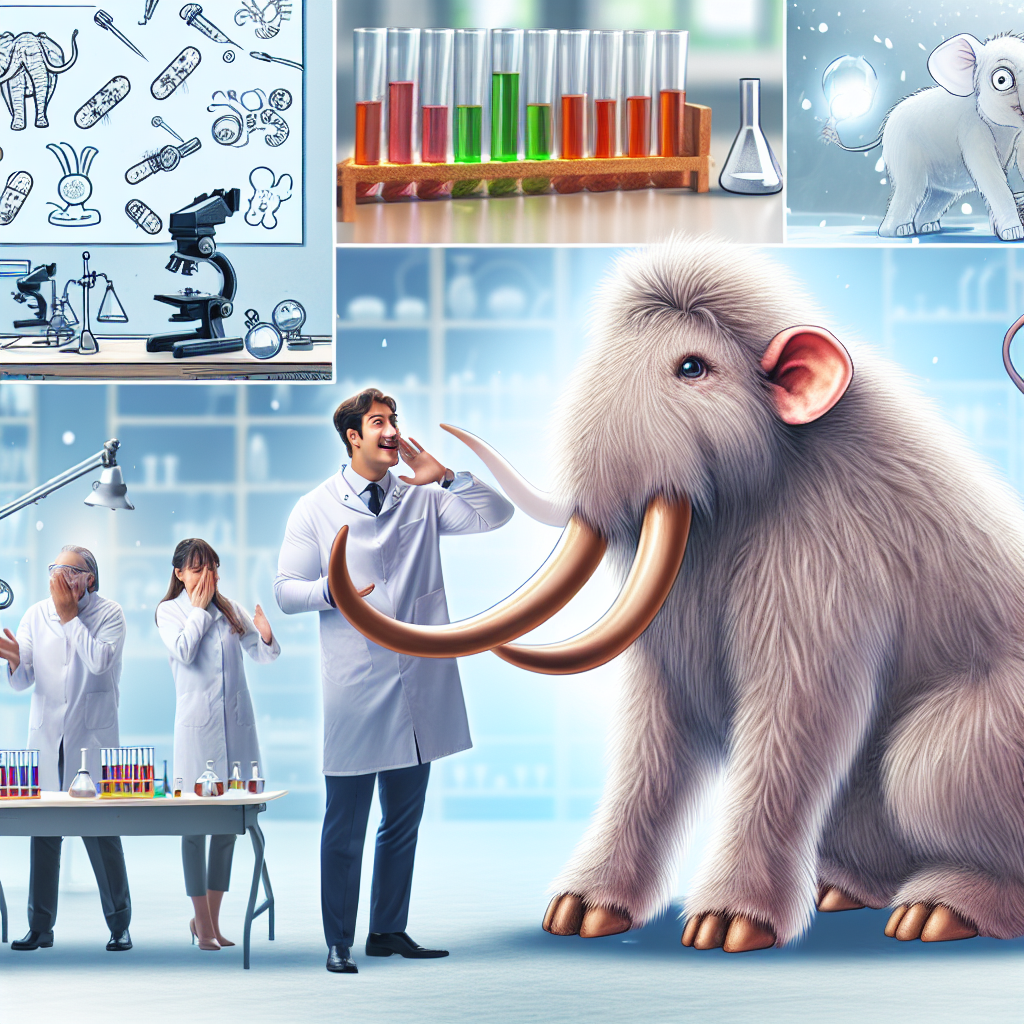
The Woolly Mammoth’s Modern Cousin: How Colossal Biosciences Introduced the Woolly Mouse
In a scientific breakthrough that sounds as if it’s been pulled from the pages of a sci-fi novel, Colossal Biosciences has embarked on an ambitious quest to revive the long-extinct woolly mammoth. However, before this prehistoric giant can be seen roaming the Earth again, another creature—much smaller yet monumental in its significance—has made its debut: the woolly mouse. This captivating development not only positions Colossal Biosciences at the forefront of de-extinction research but also opens up fascinating discussions about genetics, conservation, and the ethical implications of bringing extinct species back to life.
The Ambitious Quest of Colossal Biosciences
Colossal Biosciences is not your average biotech firm. Founded with the grand vision of leveraging genetic engineering to de-extinct species and revive lost ecosystems, the company has set its sights on one of the most iconic extinct animals—the woolly mammoth. Despite facing skepticism, Colossal has steadily made progress, and their creation of the woolly mouse is a pivotal step towards their ultimate goal.
A Glimpse into De-Extinction: Why the Woolly Mammoth?
The idea of resurrecting extinct species, known as de-extinction, has fascinated scientists and the public alike. But among the many extinct creatures, why the woolly mammoth? Here are a few reasons:
- Ecological Benefits: Woolly mammoths once played a crucial role in shaping their environment. By bringing them back, scientists hope to restore tundra ecosystems, which could combat the effects of climate change.
- Technological Advancements: The genetic makeup of woolly mammoths is relatively well-preserved in permafrost, offering a feasible pathway for genetic engineering.
- Cultural Significance: The woolly mammoth captures the public’s imagination, driving interest and funding for scientific research.
The Woolly Mouse Experiment: A Tipping Point for Genetic Engineering
The creation of the woolly mouse represents more than just a small step towards woolly mammoth de-extinction; it marks a milestone in genetic engineering technology.
Understanding the Woolly Mouse
Colossal’s scientific team didn’t conjure the woolly mouse out of thin air. Instead, they used advanced genetic techniques to introduce traits characteristic of the woolly mammoth into a common lab mouse. This resulted in the creation of a "proxy" animal with certain woolly mammoth-like features.
- Genetic Alterations: Scientists incorporated mammoth genes related to hair and fat composition to adapt mice for colder temperatures, simulating some of the key adaptations of the woolly mammoth.
- Research Implications: This experiment demonstrates the feasibility of growing mammoth-like traits in living animals and fine-tuning CRISPR technology to introduce complex sets of genes.
Unpacking the Ethical and Ecological Implications
While the prospect of reviving woolly mammoths excites many, it also raises significant ethical and ecological questions.
Ethical Considerations in De-Extinction
- Animal Welfare: The process of creating hybrid animals can involve extensive experimentation. The long-term impacts on these animals’ well-being remain uncertain.
- Playing God: Critics argue that humans should not interfere to such a degree with nature. Bringing extinct animals back could have unforeseen consequences.
- Biodiversity Focus: With so many species currently endangered, some propose that resources should be directed towards conserving existing life forms instead of reviving those long gone.
Ecological Effects and Responsibilities
Reintroducing a species like the woolly mammoth into modern ecosystems could yield both positive and negative outcomes.
- Ecosystem Restoration: Mammoths could potentially help in restoring degraded habitats by trampling down forests and maintaining grasslands, positively impacting carbon storage.
- Unintended Consequences: As with any ecological intervention, the introduction of a revived species could affect existing wildlife and habitats in unforeseen ways.
The Future of De-Extinction and Genetic Engineering
The creation of the woolly mouse is just the beginning. It invites a larger conversation about the interconnected future of biology, technology, and conservation.
Advancing Genetic Technologies
The progress made in the de-extinction of the woolly mammoth could spark advancements across other scientific fields:
- Medical Research: Genetic engineering breakthroughs could enhance our understanding of genetic diseases.
- Conservation Biology: Techniques developed in this endeavor may benefit endangered species by introducing diversity into their gene pools.
- Public Engagement: As science pushes boundaries, public interest and participation in scientific discourse are necessary for informed decision-making.
Beyond the Mammoth: What’s Next?
Colossal Biosciences aims to expand its de-extinction efforts to include other species, both prehistoric and recently extinct:
- Reviving Lost Species: There are discussions about restoring other Pleistocene-era animals and even species that have recently gone extinct due to human activities.
- Ecosystem Rewilding Projects: Future projects may involve strategic releases of newly-bred animals into carefully-selected ecosystems for ecological restoration.
Conclusion: A Milestone on the Journey Towards De-Extinction
The creation of the woolly mouse by Colossal Biosciences marks a significant and symbolic milestone in the field of de-extinction and genetic research. As we stand on the frontier of what is scientifically possible, there lies a great responsibility—both ethical and ecological. It is a time for thoughtful discourse, continued research, and informed public engagement to navigate the possibilities and pitfalls of bringing back extinct species like the woolly mammoth. Whether this leap of science fiction into reality heralds a new age of discovery or warns of unforeseen consequences will depend on how humanity handles this brave new world of genetic engineering.