
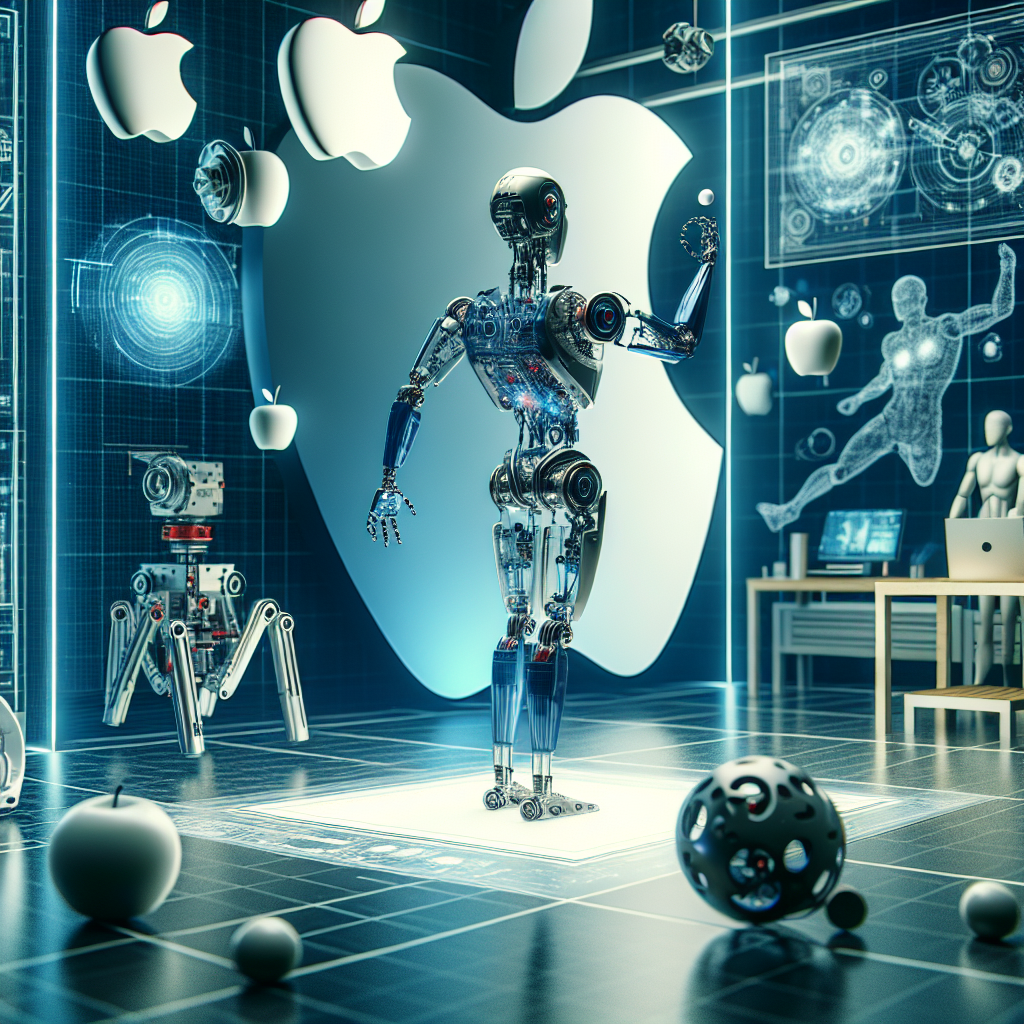
Apple and the Next Frontier: The Exploration of Humanoid Robots
In recent years, the tech giant Apple has dipped its toes into diverse and groundbreaking technologies. From revolutionary smartphones to advanced wearable devices, Apple’s innovations have consistently been at the forefront of digital evolution. Now, Apple appears to be setting its sights on a bold new frontier: humanoid robots. In this article, we will delve deep into Apple’s reported exploration of humanoid robots, examining its potential impact on technology and society, Apple’s strategic advantage, and what the future might hold.
Apple’s Journey Toward Robotics
The Evolution of Apple’s Technological Innovations
Apple’s journey into the world of robotics is not entirely unexpected. Over the years, the company has introduced various technologies that lay the groundwork for robotics. Notable advancements include:
- Artificial Intelligence (AI): Apple’s AI advancements, such as Siri, showcase the company’s commitment to creating intelligent devices capable of understanding and responding to human interaction.
- Machine Learning: Integration of machine learning to enhance user experience in products like iPhones and HomePods shows a robust foundation for developing robots that can learn and adapt.
- Sensing Technologies: With innovations like LiDAR scanning technology, Apple devices have become more aware of their surroundings, a critical aspect of humanoid robotics.
Acquisitions Fueling Robotics Ambitions
Apple has also engaged in strategic acquisitions that bolster its capabilities in the robotics field:
- SensoMotoric Instruments (SMI): Acquired in 2017, this German company specializes in eye-tracking technology, which could play a significant role in developing humanoid robots capable of mimicking human-like vision.
- Emotient: A startup focused on AI-driven facial expressions analytics, aiding robots in emotional intelligence and human interaction.
Humanoid Robots: The Next Leap in Apple’s Ecosystem
Why Humanoid Robots?
The concept of humanoid robots is intoxicatingly futuristic, promising a new partnership between humans and machines. Humanoids can perform complex tasks, socially interact, and offer companionship. For Apple, entering this domain presents:
- Market Diversification: Expanding beyond consumer electronics into robotics can unlock new markets and revenue streams.
- Consumer Integration: Leveraging its existing ecosystem, humanoid robots could seamlessly integrate with Apple’s products, offering users robust, interconnected experiences.
Features Apple Might Bring to Humanoid Robots
Given Apple’s track record, potential features of Apple humanoid robots might include:
- Seamless Ecosystem Integration: Interfacing with HomePods, iPhones, and MacBooks to provide an interconnected experience.
- Enhanced AI and ML: Superior AI for processing and adapting to user needs.
- Design and Usability: Sleek, user-friendly design synonymous with Apple’s aesthetic.
Challenges and Opportunities
Technological Hurdles
While the vision is promising, humanoid robotics present numerous challenges:
- Complexity in Design and Functionality: Engineering robots to function in diverse environments and scenarios involves intricate design.
- Safety and Reliability: Ensuring robots are safe for home use is critical, necessitating advanced safety measures.
- Ethics and Privacy: Addressing privacy concerns and ethical considerations, especially with data handling.
Societal Impact and Opportunities
With challenges come opportunities:
- Personal Assistance: Robots could revolutionize assistance for the elderly and disabled, providing unprecedented support.
- Workplace Transformation: In industries like healthcare and customer service, humanoid robots could enhance efficiency and productivity.
- Education and Research: Robots engaging in educational settings to foster learning and scientific exploration.
How Apple Could Shape the Future of Robotics
Strategic Partnerships and Collaborations
Apple might form strategic partnerships to accelerate its robotics endeavors. Working with universities, research institutions, or existing robotics companies could provide Apple with insights and innovations to propel their humanoid projects.
Potential Product Scenarios
Envisioning the application of Apple humanoid robots:
- Smart Homes: Robots acting as smart home controllers, integrating seamlessly with Apple’s HomeKit.
- Healthcare Settings: Robots offering patient monitoring, reminders for medication, and even emotional support.
- Retail and Customer Service: Enhancing customer experience through personalized assistance and real-time problem-solving.
The Global Implications of Apple’s Move into Robotics
Market Competition
Apple’s entry into humanoid robotics could spark increased competition with companies like Boston Dynamics or Honda. With Apple’s brand equity and innovative culture, the robotics industry might experience a surge in investment and technological breakthroughs.
Sustainability and Robotics
Within the paradigm of robotics, sustainability is crucial. Apple’s commitment to environmentally friendly practices might lead to sustainable robot production, setting new industry standards.
Leveraging Apple’s Ecosystem
Apple’s possible venture into humanoid robotics could allow unprecedented integration across Apple devices, transforming how we interact with technology and each other.
In Conclusion
Apple’s exploration of humanoid robots could herald a new era of innovation, influencing lifestyle, work, and entertainment. While challenges loom large, the opportunities for transformative benefits are substantial. Observing Apple’s next steps in this thrilling domain will be fascinating—not only for tech enthusiasts but for everyone eager to glimpse the future of AI and robotics. As Apple potentially leads the charge, the evolution of our relationship with machines may be more profound than we currently envision.