
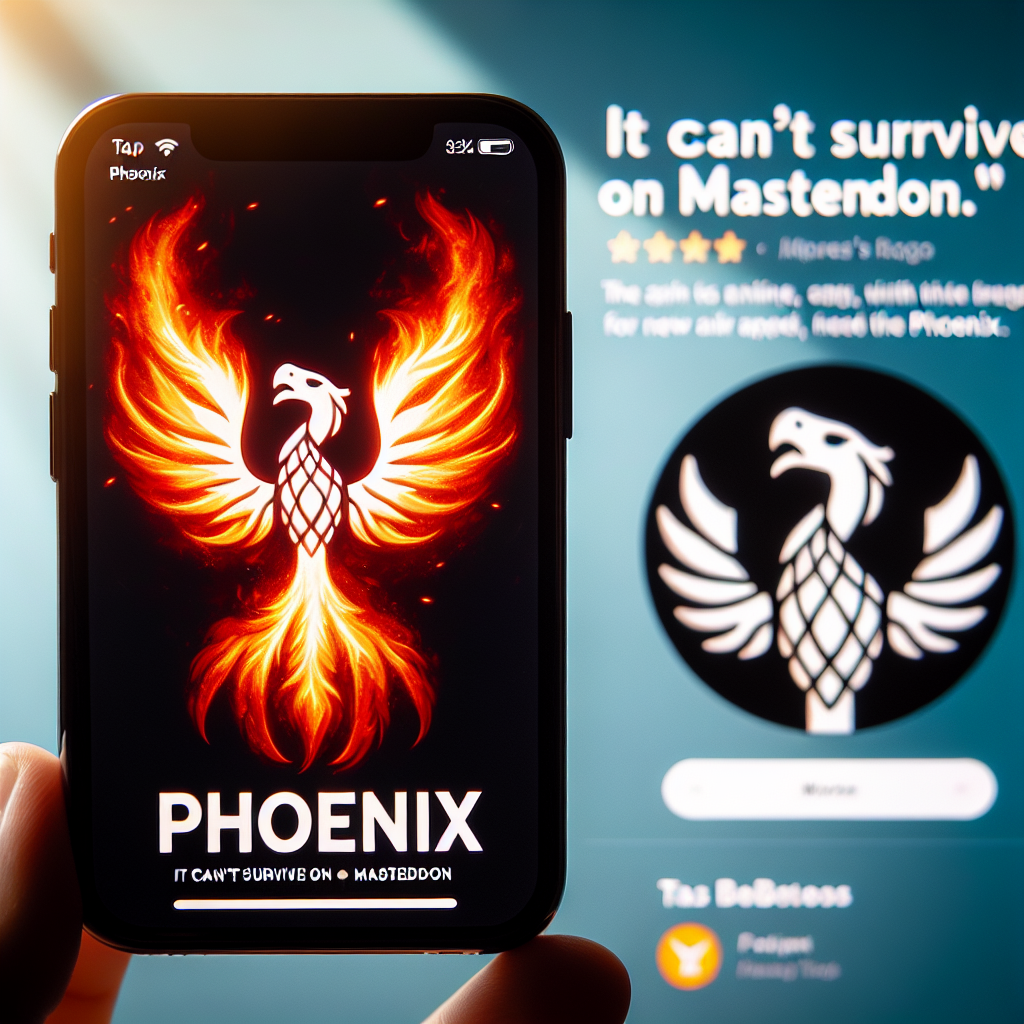
Tapbots Ventures Beyond Mastodon: Introducing Phoenix, the New Bluesky App
In an ever-evolving social media landscape, adaptability is key to survival. Enter Tapbots, a well-regarded player in the app development scene, known for creating award-winning applications like Tweetbot. Recently, Tapbots announced their plan to launch a new app, Phoenix, for the decentralized social network Bluesky, recognizing they can’t "survive on Mastodon alone." This venture points to a dynamic change and adaptation to emerging platforms.
Given the rapid pace of change in the social media landscape, why is Tapbots setting their sights on Bluesky with their upcoming app, Phoenix? Why do they believe relying solely on Mastodon may not be sustainable for them? Let’s unpack these questions and the broader implications of this strategy in today’s digital ecosystem.
Understanding the Shift: Why Phoenix?
Who are Tapbots?
To appreciate the magnitude of this announcement, understanding Tapbots’ history is vital. Tapbots is a software company established in 2008, known for turning complex tech ideas into wonderfully intuitive applications. The company revolutionized Twitter interactions with Tweetbot—a polished, user-friendly app that won hearts for years until Twitter’s API restrictions limited its functionality.
Why Bluesky?
Bluesky is a decentralized social network developed as a project initiated by Twitter co-founder Jack Dorsey. It aims to give users more control over their social media experiences, countering centralized platforms’ limitations. With its focus on decentralization, Bluesky appeals to those seeking a more customizable and secure social space.
- Decentralization empowers users, fostering a sense of ownership and privacy.
- Bluesky’s mission aligns with evolving tendencies toward user autonomy.
- A growing interest in decentralized apps marks a trend in digital communication, potentially creating significant uptake.
Why Can’t Tapbots Survive on Mastodon Alone?
While Mastodon is a decentralized platform featuring independent servers, it has limitations concerning network learning curve, reach, and user base compared to bigger centralized rivals. Tapbots, with their proven success with Tweetbot, understand the importance of forward-thinking strategies.
- User Experience: Mastodon may not suit all user needs or preferences due to its complex interface.
- Market Potential: Expanding into Bluesky allows Tapbots to capture a diverse audience, preserving their influence in the app ecosystem.
- Technological Innovation: Phoenix’s development fosters potential new features and standards, showcasing Tapbots’ adaptability and resilience.
Designing and Launching Phoenix: Adapting for Future Users
Vision for Phoenix
Phoenix aims to offer a blend of Tapbots’ trademark user-centric design and innovative features inherent to decentralized networks. It symbolizes a strategic pivot towards catering to a dynamic user base seeking alternatives to mainstream social media.
- Intuitive Design: Carrying forward the Tapbots design ethos—simplicity and utility.
- Feature Rich: Incorporating aspects that have driven previous successes, like high customization, security, and privacy.
Development Challenges and Considerations
Developing for Bluesky presents unique challenges, moving beyond centralized paradigms:
- Decentralized Protocols: Understanding and building on decentralized frameworks presents both technological hurdles and opportunities.
- User Privacy and Security: Enhanced focus on stringent security measures in data handling.
Anticipating User Needs
Phoenix’s design must cater to a technologically adept audience likely using Bluesky for its decentralization:
- Customizability: The lure of personalization is significant, enabling users to align their platform experience to their identity and comfort.
- Freedom from Big Tech: Transitioning users often seek breakaways from monopolistic surveillance, a factor Phoenix will leverage.
Implications of Phoenix on the Broader Social Media Landscape
Shaping Future Platforms
Phoenix’s journey could galvanize developers aiming to capitalize on Bluesky:
- Stimulating Innovation: Encouraging competition around privacy-focused, user-driven experiences.
- Bridging Users: Possibly acting as a bridge between fragmented social media experiences and users seeking robust alternatives.
Competitive Landscape
The competitive landscape will adjust as platforms like Bluesky challenge incumbents:
- Decentralization Popularity: As decentralized platforms grow, apps supporting them drill into a high-growth market.
- User Expectations: Raising bars on expected experiences from apps, pushing existing and new developers to innovate.
Conclusion: Eyes on the Horizon
Tapbots’ pivot to introduce Phoenix is emblematic of their agile and foresight-driven strategy. The Bluesky app not only propels Tapbots into the future of social networking but underscores an industry gravitation towards decentralized ecosystems.
If successful, Phoenix could set new standards, leveraging Tapbots’ legacy as makers of sophisticated yet user-friendly applications while embracing Bluesky’s decentralized architecture. The shift points to a dynamic intersection of user demands, technological advancements, and market forces shaping tomorrow’s digital social landscape.
As Tapbots ventures into this new territory with Phoenix, they invite users and developers alike to explore and innovate, crafting a social environment that’s as empowering and unique as its users. The road ahead is filled with promise, underlining a pivotal moment in how we define and engage with our digital worlds.