
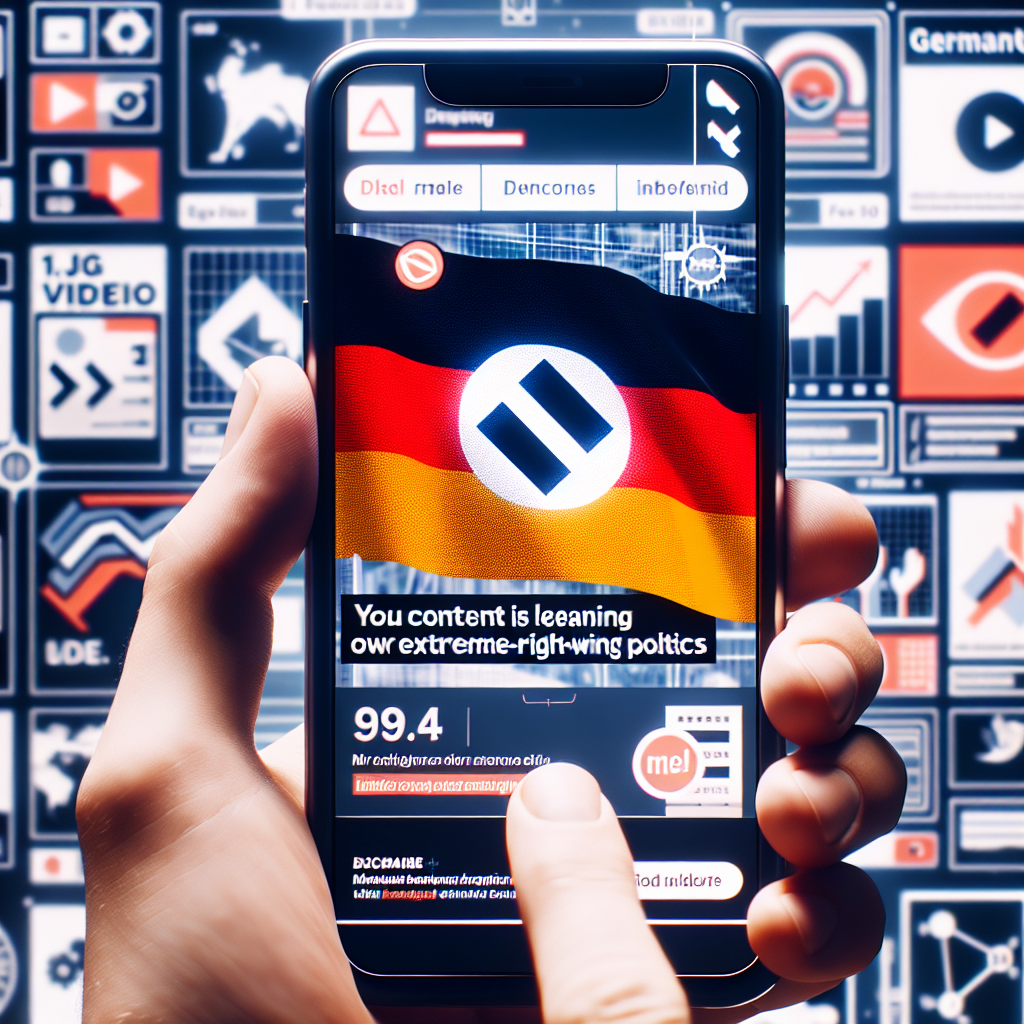
Unmasking the Algorithm: Far-Right Bias in TikTok and X ‘For You’ Feeds Preceding Germany’s Federal Elections
As Germany braces itself for pivotal federal elections, the digital realm is in the spotlight, revealing insights about how social media giants like TikTok and X play a potentially influential role in shaping political discourse. Recent studies have thrown a spotlight on how these platforms might be swaying political leanings by promoting certain biases, notably an inclination towards far-right content.
Introduction: The Digital Pulse of German Politics
Social media has long developed from being a mere communication tool to a significant influencer in modern politics. Platforms like TikTok and X (formerly known as Twitter) are powerful echo chambers where opinions are shaped, shared, and amplified. As Germany heads towards federal elections, a study analyzing these platforms has surfaced, indicating a far-right bias in their ‘For You’ feeds. It raises critical questions about the impartiality of algorithms and their potential impact on democratic processes.
What This Means for Germany’s Elections
The influence of social media on political leanings is not a new phenomenon, yet the extent of its impact remains profound. The ‘For You’ feeds — personalized content streams tailored based on user behavior — of TikTok and X appear skewed towards promoting far-right narratives. This emergence of bias could have significant consequences on the formation of public opinion and, ultimately, voter behavior.
Why Is This Important?
- Political Influence: With millions of active users in Germany, TikTok and X have an unparalleled reach that can shape political opinions on a massive scale.
- Algorithm Transparency: The study opens a Pandora’s box of questions about how algorithms select content and their role in promoting biased viewpoints.
- Democratic Integrity: The potential manipulation of voter perception by tilting platform content towards specific ideologies could undermine democratic principles.
Delving Deeper: How the Bias Was Discovered
The study in question utilized a range of data analysis techniques to understand the content curation processes of TikTok and X. Researchers set up profiles that mimicked real user behavior and recorded the political leanings of the content shown in ‘For You’ feeds.
Methodology and Findings
- Establishing User Profiles: Fake accounts were created to simulate the average German user, engaging with content without any expressly political interaction initially.
- Content Analysis: Over a period of several weeks, the feeds were monitored and the nature of political content—left-wing, neutral, or right-wing—was categorized.
- Surprising Results: A greater proportion of right-wing content, especially those aligned with far-right ideologies, dominated the feeds irrespective of the neutral engagement of profiles.
This bias is not arbitrary; it reflects the mechanics behind how social media platforms prioritize content, often emphasizing more sensational, provocative topics that naturally garner more interaction and engagement.
Analytical Breakdown: Why Are Algorithms Biased?
To unravel why this bias exists, we must analyze the core of TikTok and X’s content algorithms.
The Algorithmic Race for Engaging Content
- Engagement Equals Success: Algorithms prioritize content that spikes interaction — likes, shares, comments. Far-right content tends to be provocative, ensuring high engagement.
- Echo Chambers and Confirmation Bias: Users are often shown content that aligns with their existing views. As users increasingly interact with this type of content, algorithms further confine them in ideological echo chambers.
- Sensationalism Over Neutrality: Neutral or balanced content rarely generates the viral momentum needed for broader s**pread, leaving controversial far-right stories to take center stage.
Implications for Media Literacy and Policy
The findings from this study underscore the urgent need for enhancing media literacy among the populace and implementing robust tech policies.
Educating the Public
- Critical Thinking Skills: Encourage users to question and critically analyze content rather than accepting it at face value.
- Diverse Information Sources: Promote the consumption of news from a variety of perspectives to provide a balanced viewpoint.
Policy Recommendations
- Algorithm Transparency: Push for regulations that require platforms to disclose their algorithmic processes and how they influence content exposure.
- Content Moderation Policies: Develop fair content moderation policies that minimize the spread of disinformation, particularly from extremist groups.
- Collaborative Oversight: Encourage cooperation between tech companies, government bodies, and independent watchdogs to ensure ethical digital practices.
The Road Ahead: Striving for Neutrality in the Digital Arena
As the digital landscape continues to evolve, the challenge remains to build and maintain platforms that uphold fairness and impartiality in content dissemination, especially during critical democratic processes. For Germany and democracies worldwide, the pathway forward lies in striking a balance between technology’s tremendous potential and its responsible use.
Action Points for Stakeholders
- For Users: Cultivate a mindful and critical approach to digital content.
- For Governments: Implement and enforce laws that promote transparency and accountability in tech companies.
- For Social Media Platforms: Continually refine algorithms to avoid unintentional biases and uphold the integrity of digital content.
In conclusion, the revelations from this study serve as a crucial reminder of the powerful role social media plays in contemporary politics. As we navigate the complexities of digital influence, it becomes imperative to ensure that these platforms serve as fair grounds for expression rather than echo chambers of bias.