
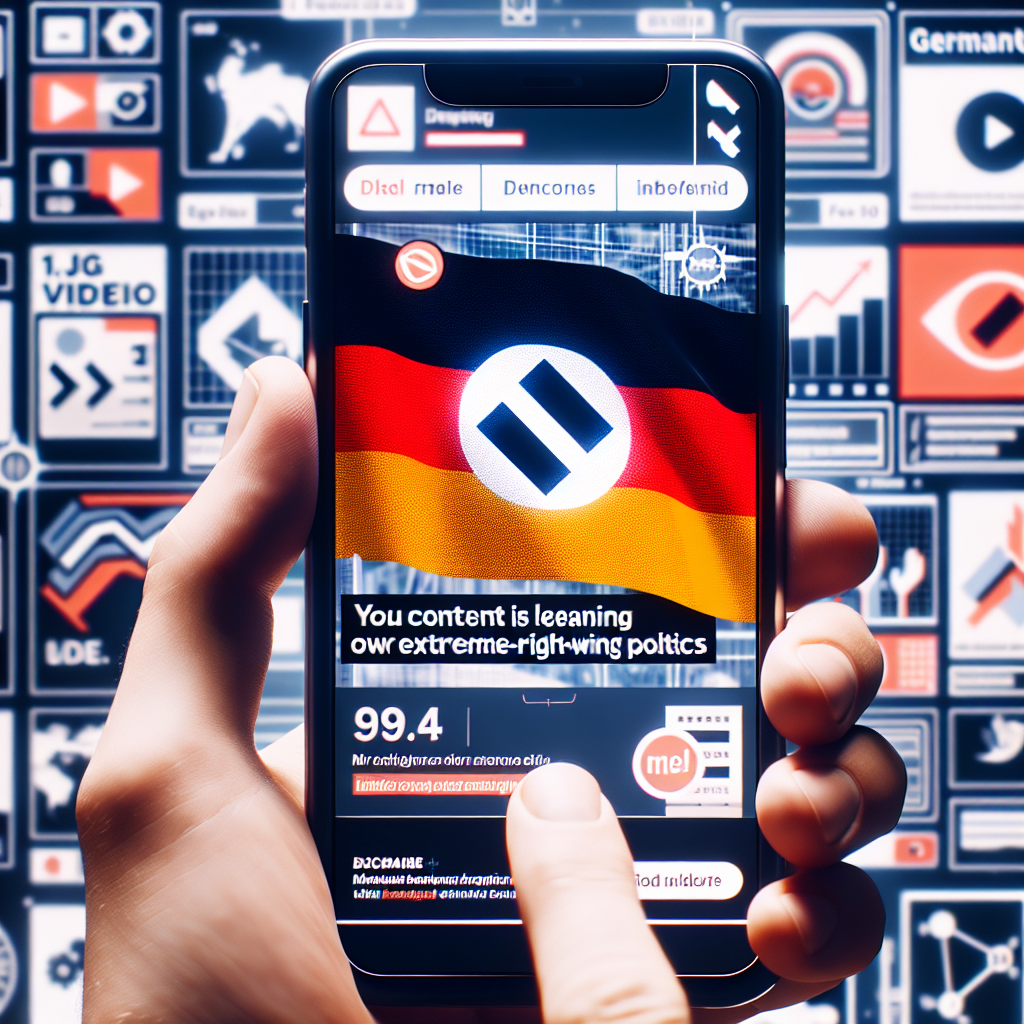
The Influence of TikTok and Twitter ‘For You’ Feeds on Political Bias in Germany
In today’s rapidly evolving digital landscape, social media platforms have become pivotal arenas for political discourse. The “For You” feeds on apps like TikTok and X (formerly known as Twitter) are designed to tailor content to individual preferences, thereby subtly influencing users’ perceptions. A recent study has shed light on an alarming trend: far-right political bias in these feeds, particularly ahead of Germany’s federal elections. This article delves into the findings, implications, and future of algorithm-driven content in shaping political landscapes.
Understanding the Algorithms Behind ‘For You’ Feeds
How Do ‘For You’ Algorithms Work?
At the core of platforms like TikTok and X’s success is their ability to deliver highly personalized content. But how do these algorithms work?
- Data Collection: Both platforms collect vast amounts of user data, such as likes, shares, watch time, and interactions.
- Machine Learning Models: This data feeds into complex machine learning models that predict what content a user is most likely to engage with.
- Continuous Feedback Loop: User interactions with suggested content provide continuous feedback to refine and enhance these predictions.
The Role of AI in Content Personalization
Artificial Intelligence (AI) drives the personalization of content. Its goal is to keep users engaged for extended periods by presenting content that aligns with their interests, but this comes with certain risks:
- Echo Chambers: Users are often exposed to similar viewpoints repeatedly, potentially limiting exposure to diverse perspectives.
- Bias Propagation: Any inherent bias in these algorithms can lead to the propagation of misleading or biased information.
Political Bias in German ‘For You’ Feeds
Findings of the Recent Study
A recent study conducted by researchers in Germany discovered a notable far-right political tilt in the content recommendations of TikTok and X for German users.
- Sample and Methodology: The study analyzed sample feeds of hundreds of users categorized by political inclination, demographics, and location.
- Key Observations:
- Far-right content appeared more frequently than other political viewpoints.
- The presence of bias was more pronounced in regions with existing far-right political support.
Implications of This Bias
Such political bias in social media feeds can have significant repercussions, especially during election periods.
- Influence on Voting Behavior: Continuous exposure to biased content may sway undecided voters or reinforce existing far-right views.
- Misinformation: The facilitation of a specific narrative can elevate misinformation, affecting public opinion and discourse.
The Impact on Germany’s Federal Elections
Potential Outcomes of a Skewed Social Media Environment
The precedence of any bias in information delivery during politically sensitive times, such as the federal elections, is concerning due to:
- Manipulation of Public Sentiment: The ability of ‘For You’ feeds to manipulate user’s timelines can directly impact public sentiment.
- Electoral Interference: This bias poses risks of subtle electoral interference by skewing public exposure toward particular ideologies.
Reactions from Political Leaders and the Public
The discovery of such bias has sparked varied reactions in Germany:
- Calls for Regulation: Political leaders and analysts are advocating for more stringent regulations on algorithmic transparency and accountability.
- Public Awareness Campaigns: Efforts are underway to educate the public on the potential for bias in their social media feeds and encourage critical media consumption practices.
Steps Towards Regaining Algorithmic Neutrality
Improving Algorithmic Transparency
One of the first steps in tackling bias in social media platforms is improving transparency.
- Algorithm Audits: Independent third-party audits of the algorithms can help identify and mitigate potential biases.
- Transparency Reports: Regular reports detailing how content is selected and presented can help build public trust.
Promoting Balanced Content Representation
To ensure a balanced political representation in user feeds, platforms may consider:
- Diverse Content Promotion: Actively promoting a balance of content across different political spectrums.
- User Control over Algorithms: Providing users more control over their feed preferences and greater insight into why content is recommended.
Encouraging Responsible Use of Social Media
Educating users to be mindful of the content they consume can foster a more informed digital environment:
- Digital Literacy Programs: Implementing programs to educate users about recognizing and mitigating bias.
- Encouraging Critical Engagement: Promoting critical engagement and discussion of diverse viewpoints in online spaces.
Looking Ahead: The Future of Social Media and Politics
The relationship between social media, algorithms, and politics is complex and constantly evolving. As platforms like TikTok and X continue to develop, understanding and addressing their influence on political bias is crucial.
Key Questions for the Future:
- How will social platforms adapt to increasing demands for transparency?
- What role will regulatory bodies play in ensuring fair digital discourse?
- How can users themselves advocate for fair and balanced content exposure?
Conclusion
While social media platforms have undeniably transformed the political landscape, the presence of far-right political bias in Germany’s ‘For You’ feeds is a stark reminder of the challenges these platforms pose. As we move forward, a collaborative effort is needed from platforms, regulators, and users to ensure a fair, balanced, and transparent digital political arena. By understanding and addressing these biases, we not only safeguard democratic processes but also promote a more inclusive and informed society.