
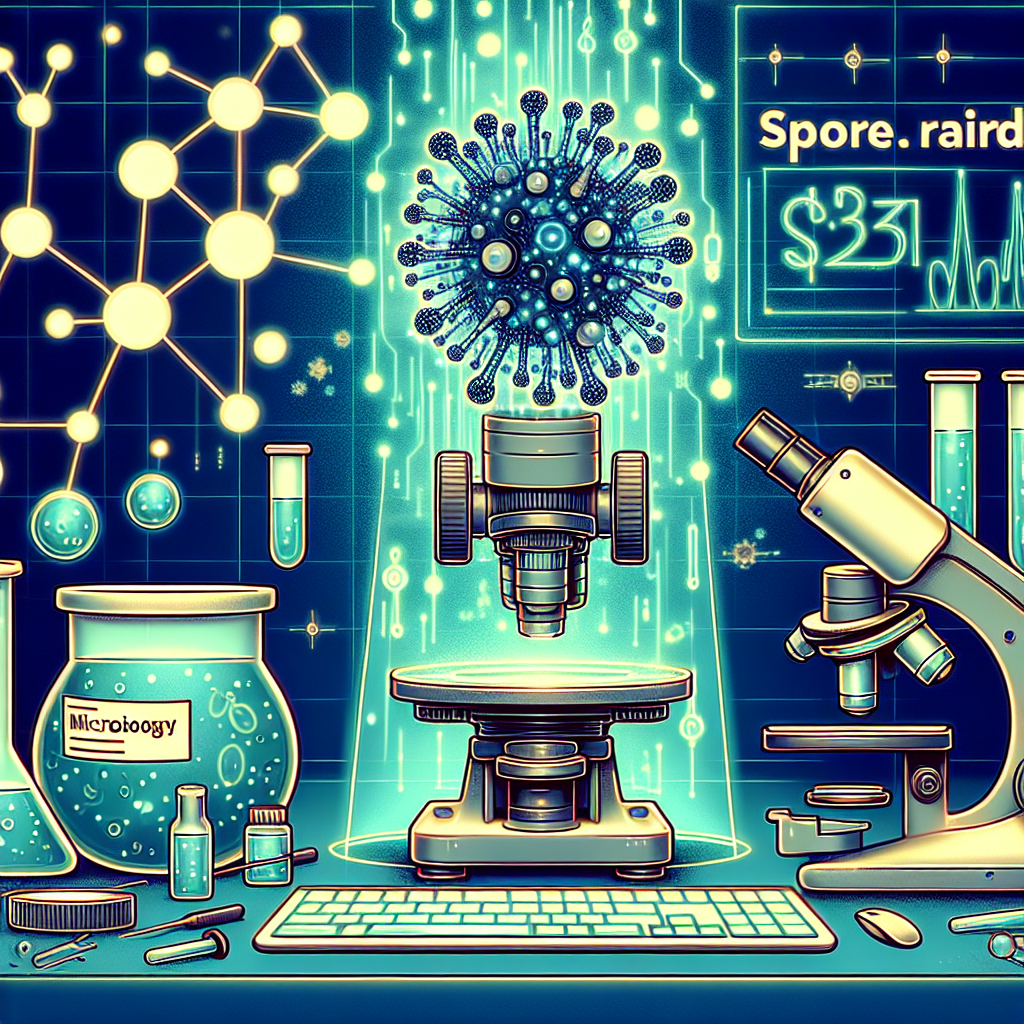
Spore.Bio’s $23M Funding Milestone: Transforming Microbiology with Machine Learning
In a groundbreaking move that merges the intricate world of microbiology with the cutting-edge field of machine learning, Spore.Bio has successfully raised $23 million in its latest funding round. This significant investment is a testament to the potential that investors see in the company’s innovative approach to microbiological testing. By leveraging advanced machine learning algorithms, Spore.Bio is set to revolutionize the way we understand and manipulate microscopic ecosystems. Let’s delve deeper into how this funding and technology could shape the future of microbiology.
The Significance of Spore.Bio’s Recent Funding
Spore.Bio’s recent $23 million funding round is more than just a financial boost—it’s a strong endorsement of the company’s vision and potential to disrupt traditional microbiology testing methods. Investors are increasingly recognizing the value of integrating machine learning capabilities with microbiological research, and Spore.Bio stands at the forefront of this intersection.
A New Era in Microbiology Testing
Traditional microbiology testing often involves labor-intensive processes and time-consuming analyses. However, with the incorporation of machine learning, these processes can be significantly optimized. Here’s how:
- Efficiency: Machine learning algorithms can process data at a much faster rate than traditional methods, allowing for quicker results.
- Accuracy: Automated systems reduce human error, leading to more reliable outcomes.
- Scalability: Machine learning can easily scale up to handle larger datasets, making it suitable for extensive research applications.
The Role of Investors
The recent funding round attracted the attention of major players in the investment community, underlining the market’s confidence in Spore.Bio’s strategy. Investors are especially interested in:
- Innovative Applications: The potential for Spore.Bio to create unique applications of machine learning in microbiology.
- Global Impact: The promise of comprehensive solutions that could advance public health initiatives worldwide.
- Return on Investment: The long-term financial benefits stemming from the company’s cutting-edge developments.
How Machine Learning is Revolutionizing Microbiology
Machine learning is not a new term in the tech industry, but its application in microbiology is pioneering and holds incredible promise. Let’s explore the myriad ways in which this technology is transforming the field.
Advanced Data Analysis
One of the most compelling advantages of machine learning in microbiology is its ability to handle and analyze vast amounts of data:
- Pattern Recognition: Machine learning algorithms can detect patterns and correlations in microbiological data that might be invisible to human researchers.
- Predictive Modeling: These algorithms can predict the outcome of microbiological interactions, improving preventative measures in clinical settings.
Automation and Process Optimization
Integrating machine learning into microbiology allows for significant automation and process optimization:
- Reduced Manual Labor: Tasks that traditionally required manual labor can now be automated, freeing up human resources for more complex analyses.
- Streamlined Workflows: Machine learning can streamline workflows, improving overall laboratory efficiency.
Personalized Medicine
One exciting application of machine learning in microbiology is its potential in personalized medicine:
- Tailored Treatments: By analyzing an individual’s microbiome, machine learning can help design tailored treatments that target specific microbial imbalances.
- Healthcare Transformation: This tailored approach could significantly impact healthcare, making treatments more effective and reducing side effects.
Challenges and Considerations
While the possibilities are exciting, these innovations also come with their own set of challenges and considerations.
Data Security and Privacy
Handling sensitive biological data requires meticulous attention to privacy and security measures:
- Data Breaches: The risk of data breaches in systems that incorporate machine learning is a critical concern.
- Regulatory Compliance: Companies must navigate a complex landscape of regulations to ensure data protection and privacy.
Integration with Current Practices
Adopting machine learning in microbiology means integrating new technologies with existing practices:
- Training Requirements: There is a need for significant training for professionals to effectively use and interpret machine learning data.
- Resistance to Change: There may be resistance from traditionalists within the field who are cautious about adopting new technologies.
The Future of Microbiology with Spore.Bio
Spore.Bio’s journey is just beginning, but its potential to reshape microbiology is immense. As the company continues to develop its technologies, the future looks promising for those in the industry and beyond.
Expansion and Innovation
The sizable funding will likely spur further expansion and innovation:
- Research and Development: Increased funding allows for more in-depth research and the development of advanced solutions.
- Global Reach: Spore.Bio has the potential to expand its impact on a global scale, influencing microbial research and healthcare practices worldwide.
Collaboration Opportunities
There are numerous opportunities for collaboration that could accelerate advancements:
- Academic Partnerships: Collaboration with universities and research institutions can drive innovation and education in microbiology.
- Industry Alliances: Partnering with pharmaceutical and biotech companies can help integrate these revolutionary technologies into practical applications.
Conclusion
The $23 million raised by Spore.Bio is not just a financial achievement; it represents a pivotal moment for the future of microbiology testing. By applying machine learning, the company is poised to lead the field in innovation, offering untold potential for improving healthcare, understanding the micro-world, and tailoring treatments to individual needs. As we watch this exciting development unfold, it’s clear that Spore.Bio is not just about changing microbiology—it’s about redefining our understanding of life at the microscopic level.