
SpaceX’s Starship: Unraveling the Self-Destruct Sequence and What It Means for Future Space Exploration
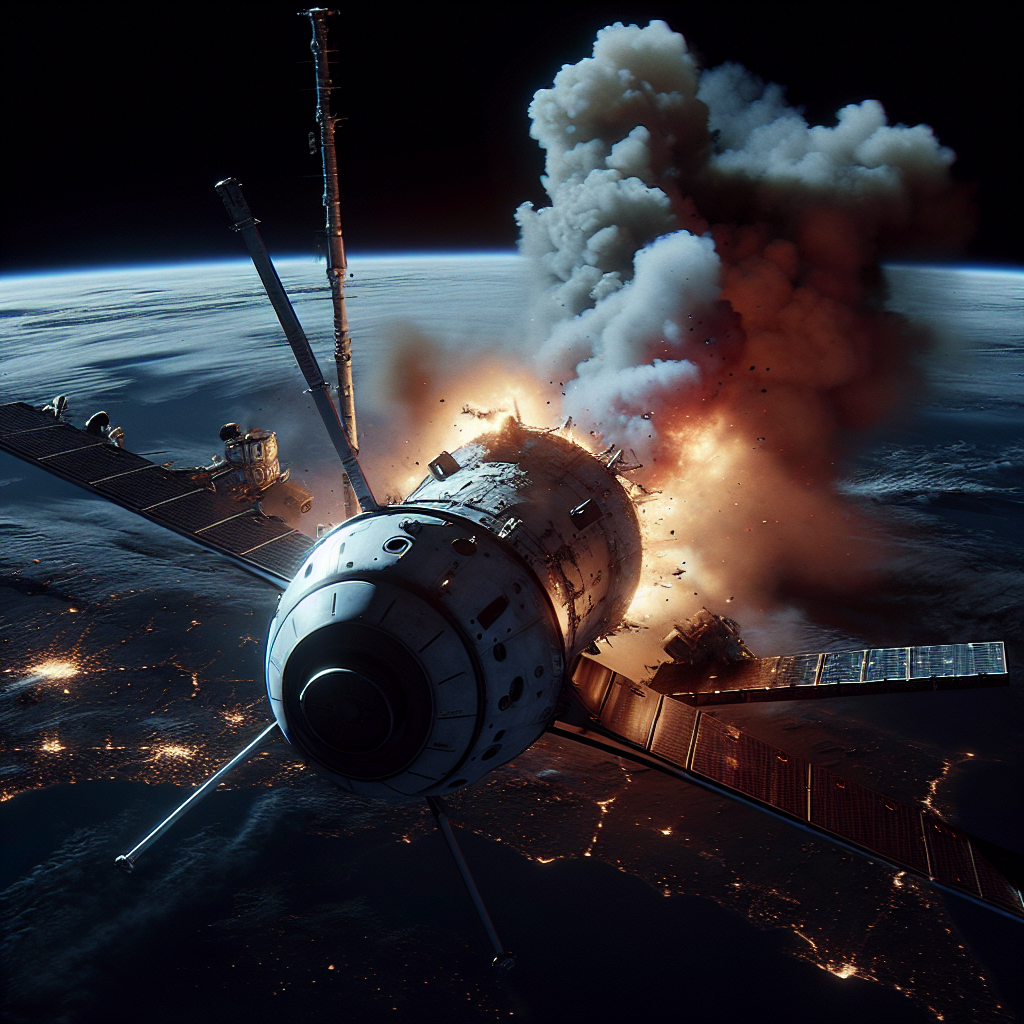
In a stunning revelation, SpaceX admitted that its Starship, the world’s most powerful spaceship, self-destructed due to propellant leaks that sparked fires, resulting in a communications blackout. This incident highlights the challenges of space exploration and the continuous pursuit of innovation that defines SpaceX, a company at the forefront of advancing space technology.
In this in-depth article, we’ll explore the details surrounding this incident, the implications for SpaceX’s ambitious goals, and the broader impact on the aerospace industry. Let’s dive deep into the complexities of what transpired and what lies ahead for Elon Musk’s space-faring venture.
The Anatomy of a SpaceX Mission
About Starship
SpaceX’s Starship represents the cutting edge of space exploration. Designed for missions to the Moon, Mars, and beyond, it stands at the pinnacle of aerospace engineering. Here are key specifications related to Starship:
- Height: 120 meters (394 ft) when fully stacked
- Diameter: 9 meters (30 ft)
- Payload Capacity: Over 100 metric tonnes
Starship’s ultimate goal is to make space travel more affordable and accessible for humanity, thereby transforming the dream of interplanetary colonization into reality.
The Mission Timeline
SpaceX’s mission gone awry began as a standard test flight aimed at assessing the Starship’s systems under real-world conditions. As part of this elaborate testing equipment, it included:
- Comprehensive pre-launch checks
- Autonomous navigation system test
- Payload deployment simulation
However, the mission took an unexpected turn when internal alarms indicated an anomaly.
The Self-Destruct Sequence: What Went Wrong?
Understanding Propellant Leaks
The primary culprit in this dramatic sequence was propellant leaks. The types of propellants involved were likely:
- Liquid oxygen (LOX)
- Methane (CH4)
Such leaks can have dire consequences due to their highly combustible nature. The risk escalates exponentially within the spacecraft’s confined environment.
Chain Reaction Leading to Fires
Leaked propellants ignited, causing fires that put the entire spacecraft at risk. Beyond direct damage, the fires also led to:
- Systems failure
- Temperature spikes
- Damage to electrical components
The Communications Blackout
Another critical factor in the eventual self-destruct was the communications blackout. Fires likely damaged:
- Antenna arrays
- Signal distribution systems
- Internal wiring
This blackout rendered ground controllers unable to intervene, effectively sealing Starship’s fate.
Implications for SpaceX and Future Missions
Engineering Challenges and Lessons
This incident underscores the incredibly complex and often unpredictable nature of space exploration engineering. For SpaceX, the takeaways are profound:
- Redundancies: Develop more robust backup systems
- Material Integrity: Enhance testing for propellant storage tanks
- Fire Suppression Systems: Integrate improved fire mitigation solutions
Mitigating Risks in Space Exploration
SpaceX is likely to review its risk management protocols thoroughly. Key actions can include:
- Revising safety procedures
- Enhanced launch simulations
- Innovative material usage
By addressing these engineering challenges, SpaceX aims to fortify future missions against similar setbacks.
Broader Impact on The Aerospace Industry
The aerospace sector closely monitors setbacks experienced by trailblazers like SpaceX. Effects of such incidents may:
- Spur regulatory changes
- Encourage cross-agency collaboration
- Propel innovation dissemination
Understanding and adapting to such incidents is essential for evolving best practices and maintaining humanity’s ambitious plans for the final frontier.
Elon Musk’s Vision for the Future
Continued Commitment to Space Exploration
Despite setbacks, Elon Musk’s vision remains unshaken. SpaceX plans to persist in:
- Innovative spacecraft designs
- Expanding ISS engagement
- Lunar and Mars mission planning
This incident is but a momentary detour in the larger trajectory towards multi-planetary colonization.
The Role of Strategic Partnerships
SpaceX continues to leverage strategic partnerships with organizations such as NASA to propel its mission objectives. Collaboration helps:
- Share knowledge and resources
- Broaden technological horizons
- Minimize operational costs
Conclusion: A Resilient Path Forward
In the ever-evolving realm of space exploration, adversity is a given. SpaceX’s commitment to transparency and rapid innovation underscores its potential for overcoming challenges and achieving astronomical goals. As we traverse this cosmic journey alongside SpaceX, each trial becomes an opportunity to evolve, learn, and ultimately, reach for the stars.
With SpaceX’s unwavering resolve, the dream of interplanetary travel and sustainable space exploration, as envisioned by Elon Musk, is closer than ever to becoming a reality. Join us in continuing to monitor this space giant’s exploits as they forge a path towards an adventurous future beyond Earth.