
Unveiling SpaceX’s Starship Mishap: The Anatomy of a Self-Destruct Sequence
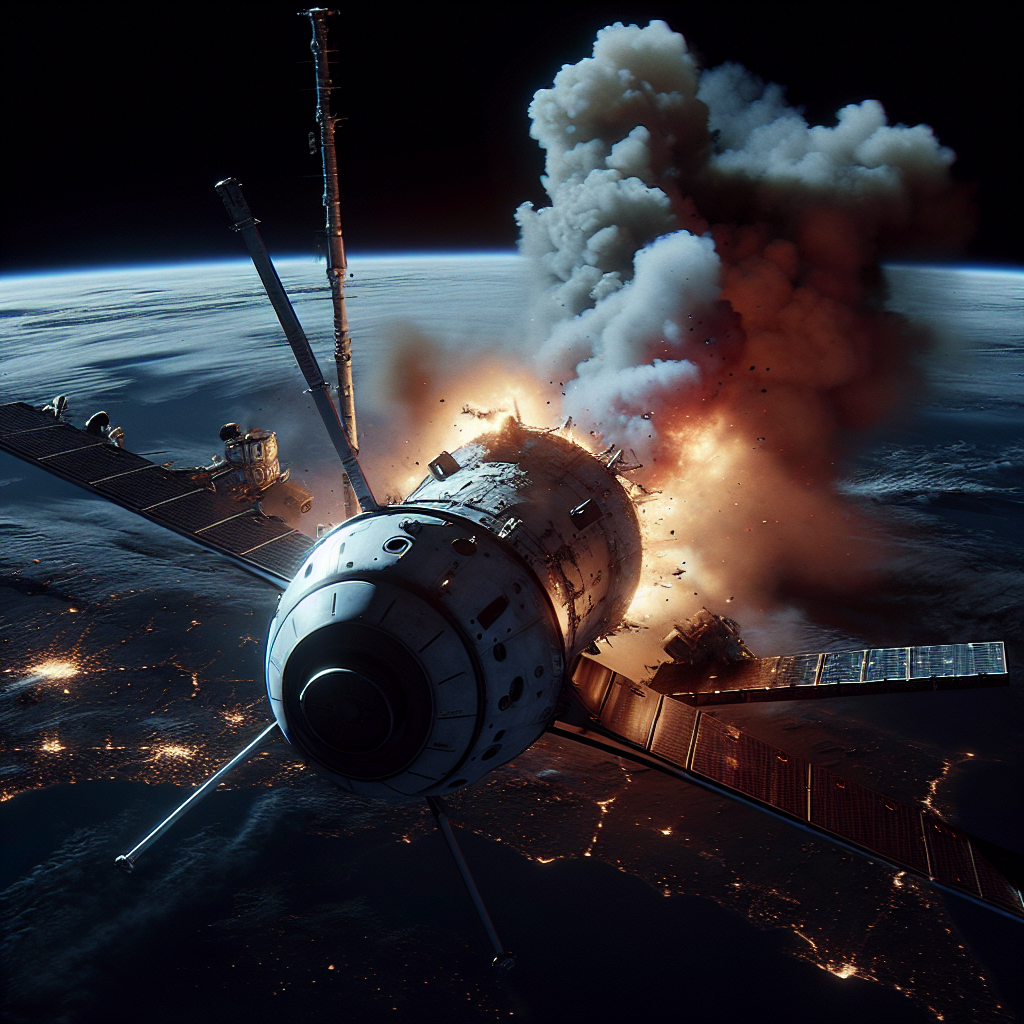
In the realm of cutting-edge space technology, SpaceX has consistently pushed the boundaries of what’s possible, propelling humanity closer to interstellar dreams. However, even the most advanced systems face unforeseen challenges. A recent incident involving SpaceX’s Starship emphasized the intricate dance between innovation and unpredictability. The futuristic spacecraft self-destructed after propellant leaks led to fires and a communication blackout, raising important questions about safety, technology, and future missions.
The Incident: A Breakdown of Events
On a seemingly routine test flight, SpaceX’s Starship encountered a critical anomaly. The incident highlights the inherent risks associated with pioneering aerospace technologies. While SpaceX’s Starship is designed to be a reusable spacecraft intended for long-duration missions to Mars and beyond, this test flight served as a stark reminder of the challenges that lay in wait.
What Led to the Self-Destruct?
The root cause of the Starship’s self-destruction was traced back to propellant leaks. Such leaks are dangerous as they create a high-risk environment, potentially resulting in fires or explosions. In this case, the leaks triggered fires that compromised critical systems onboard the spacecraft.
The Role of Propellant in Spacecraft
In space engineering, propellant is crucial for maneuverability and achieving the necessary thrust. SpaceX relies on a combination of liquid methane and liquid oxygen (LOX), which serve as the propellant and oxidizer respectively. This combination allows for higher efficiency and reduced refueling during long missions, like those planned for Mars.
- Advantages of Methane:
- Lower cost compared to RP-1 (highly refined kerosene)
- Easier production on Mars, aligning with SpaceX’s long-term goals
- Cleaner burn, minimizing carbon deposits and engine wear
However, the volatility of these compounds necessitates rigorous containment and management systems. A breach or leak, as observed in this test flight, can have catastrophic consequences.
Fires and Communication Blackout
As the fires raged internally, a chain reaction followed leading to a communication blackout with ground control. In aerospace operations, continuous telemetry—data about the spacecraft’s condition and trajectory—is crucial. The blackout meant engineers could not receive real-time data to either avert disaster or understand ongoing damage.
Communication Protocols in Space Missions
Communication systems in spacecraft are designed to be robust, handling:
- Data Transmission: Real-time information flow between the spacecraft and ground stations.
- Command and Control: Sending instructions from the ground to adjust or override onboard systems.
- System Diagnostics: Continuous health checks of spacecraft components and systems.
A blackout disrupts all these activities, leaving mission control in the dark and compounding existing complications.
The Self-Destruct Sequence: Why It Happened
Self-destruct mechanisms are not a typical subject of conversation outside aerospace circles, yet they play a critical safety role in test flights and missions. SpaceX, like other aerospace ventures, has these protocols to prevent further hazards if a mission goes astray.
Why a Spacecraft Self-Destruct?
The idea might seem counterintuitive, but self-destruct sequences protect larger interests:
- Containing Hazards: Prevent debris from causing damage elsewhere, including populated areas.
- Data Preservation: Mitigate the risk of losing sensitive technological data to unintended parties.
- Financial Consideration: Avoid addition to space debris, which complicates future missions.
How Does Self-Destruct Work?
The technology and procedures involved in self-destruction are highly sophisticated:
- Detection: Embedded sensors detect critical failures.
- Decision Making: Automated systems, ideally double-checked by human controllers, activate the mechanism.
- Execution: Explosive charges or other destructive measures safely neutralize the spacecraft.
Lessons Learned and Future Implications
What Does This Mean for SpaceX?
SpaceX sees each setback as a learning opportunity. Elon Musk’s team conducts thorough post-incident analysis to glean invaluable insights. This incident may lead to improved sealing technologies, enhanced telemetry methods, and more comprehensive test protocols.
Pushing Forward: The Future of Starship
Despite the setback, SpaceX remains committed to its vision. Moving forward, the company will likely focus on:
- Advanced Leak Detection Systems: Implementing superior sensors and redundancy to detect and manage propellant leaks before they escalate.
- Improved Communication Tech: Developing more robust communication systems that can withstand anomalies and maintain telemetry.
- Alternative Design Adjustments: Reviewing and revising design elements to ensure heightened safety and reliability.
The Larger Impact on Aerospace Industry
Such incidents, while costly, drive larger conversations in the aerospace community about risk management and innovation balance. As private companies and government agencies work toward commercialization and colonization of space, lessons drawn from events like this one prove crucial.
Conclusion
The self-destruction of SpaceX’s Starship, precipitated by propellant leaks, stands as a testament to the challenges of space exploration. Nevertheless, innovation often goes hand-in-hand with failure. Through rigorous post-incident analysis and continuous improvement, SpaceX and its counterparts are paving the path toward safer, more reliable spaceflight. While the incident serves as a reminder of the roadblocks ahead, it also reinforces the industry’s resilience in engineering a future where outer space is more accessible than ever before.