
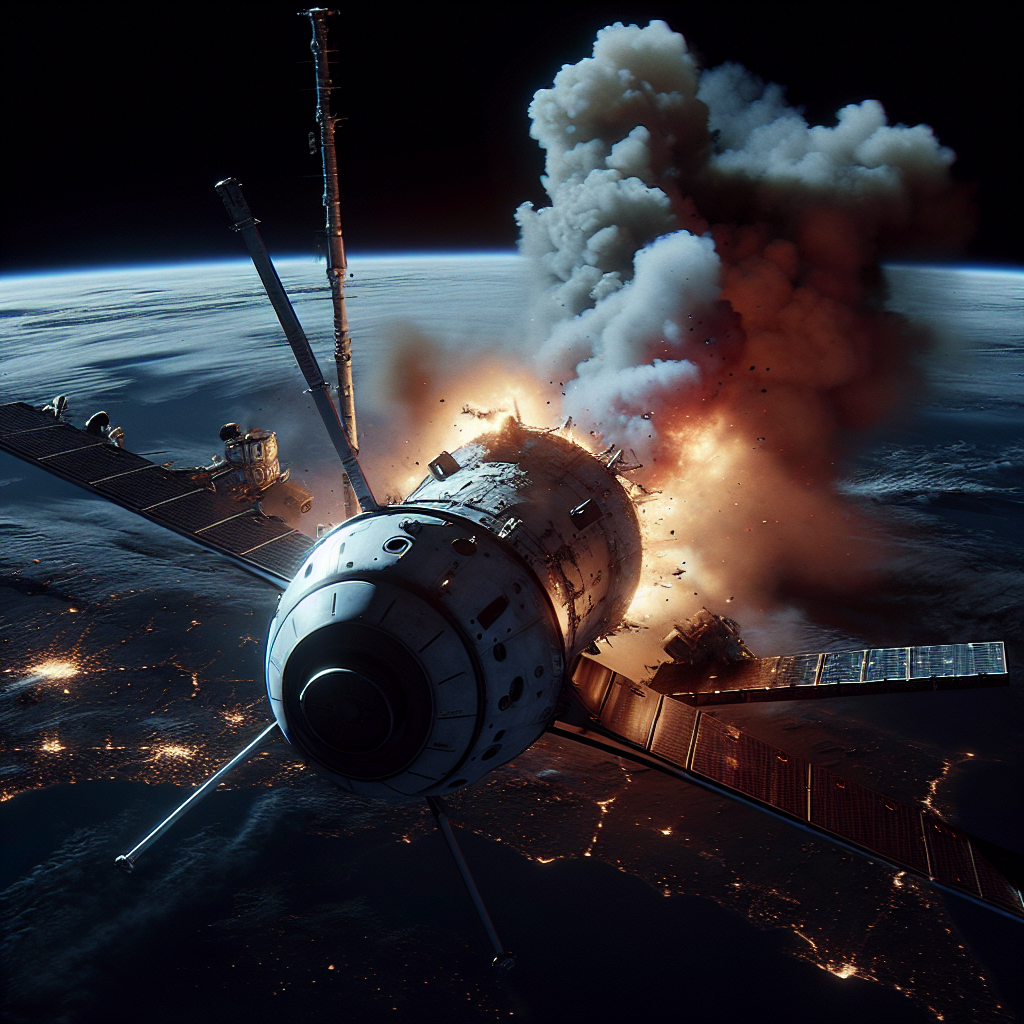
Starship Self-Destructs: Understanding SpaceX’s Latest Anomaly and Its Implications
SpaceX, the aerospace juggernaut led by visionary Elon Musk, has always been at the forefront of pushing boundaries and redefining our understanding of space travel. However, even the most advanced technology is not immune to glitches. Recently, SpaceX made headlines when its ambitious Starship prototype self-destructed after a propellant leak led to fires and a communications blackout. This development has sparked both concern and curiosity among space enthusiasts and experts alike. In this article, we’ll explore the sequence of events, delve into the technical aspects of the anomaly, and discuss the potential implications for SpaceX and the future of space travel.
The Event: What Happened When Starship Self-Destructed?
The recent self-destruction of a Starship prototype is a significant event in SpaceX’s ongoing endeavor to revolutionize space exploration. Here’s a detailed account of the incident:
A Sequence of Unfortunate Events
- Propellant Leak: The core of the issue began with a propellant leak that went undetected until it was too late.
- Subsequent Fires: The leak resulted in fires that compromised the integrity of the spacecraft.
- Communications Blackout: The fires triggered a complete communications blackout with ground control, leading to a loss of situational awareness.
- Self-Destruction: As a safety measure, the Starship was programmed to self-destruct in the event of critical failures to avoid uncontainable disasters.
The Scale of the Impact
Understanding the magnitude of this incident requires contemplating both technical and operational challenges:
- Technical Hurdles: Key systems onboard experienced malfunctions, which have raised questions about engineering redundancies.
- Operational Delays: This incident may result in setbacks for scheduled space missions, impacting timelines.
Technical Insights: The Science Behind Starship and Its Anomalies
To grasp the full implications of this incident, it’s essential to explore some of the technical elements of the Starship and how they relate to the self-destruction event.
Starship’s Advanced Engineering
- Material and Structural Design: The Starship is constructed using stainless steel, which offers a balance between durability and heat resistance.
- Propulsion Systems: Starship’s propulsion is powered by advanced Raptor engines, designed for efficiency and power.
Identifying Failure Points
- Propellant Management System: An analysis of the propellant leaks identifies potential vulnerabilities.
- Fire Suppression: As a precaution, advanced fire suppression systems are vital— the systems in place failed to contain the fire effectively.
- Communication Systems: Redundancies in communication are essential, and any shortcomings need a thorough investigation.
Implications for SpaceX: Challenges and Opportunities
While the incident poses challenges, it also presents unique learning opportunities for SpaceX and the broader aerospace industry.
Short-Term Challenges
- Reputation Management: Public confidence may waver, demanding transparent communication from SpaceX.
- Technical Reviews: Thorough inspections and audits of current systems will likely be accelerated.
Long-Term Opportunities
- Enhanced Safety Protocols: The incident will likely lead to improved safety standards in future designs.
- Innovation in Engineering: Such setbacks can fuel innovation, leading to breakthroughs in technology.
Broader Implications: What Does This Mean for the Future of Space Travel?
The implications of this incident reach beyond SpaceX and offer insights into the future trajectory of space exploration and technology.
Space Race Dynamics
- Competitive Landscape: Incidents like these highlight the relentless pressures within the space race, pushing competitors to balance speed with safety.
- International Collaboration: Such events can also lead to increased international cooperation to pool resources and insights for safer space exploration.
Science and Exploration
- Mission Viability: Despite the setback, the mission objectives for lunar and Martian exploration remain on the horizon.
- Safety Advancements: As a field characterized by risk, every mishap in space travel becomes a learning moment, reinforcing safety measures globally.
Closing Thoughts: Moving Forward from Adversity
SpaceX’s recent Starship self-destruction is a testament to the unpredictable nature of pioneering in uncharted territories. While setbacks like these can momentarily stall progress, the lessons they offer are invaluable. SpaceX’s resilience and ability to innovate will undoubtedly lead them to overcome these challenges and continue their exciting journey towards making humans a multiplanetary species.
In conclusion, the self-destruction serves as a catalyst for improvement, propelling SpaceX to refine its technological arsenal and adaptive strategies. As we follow this narrative unfold, one thing remains clear: the spirit of exploration is unyielding, and with every challenge comes the promise of new horizons.