
Unraveling SpaceX’s Starship Incident: Propellant Leaks, Fires, and a Communication Blackout
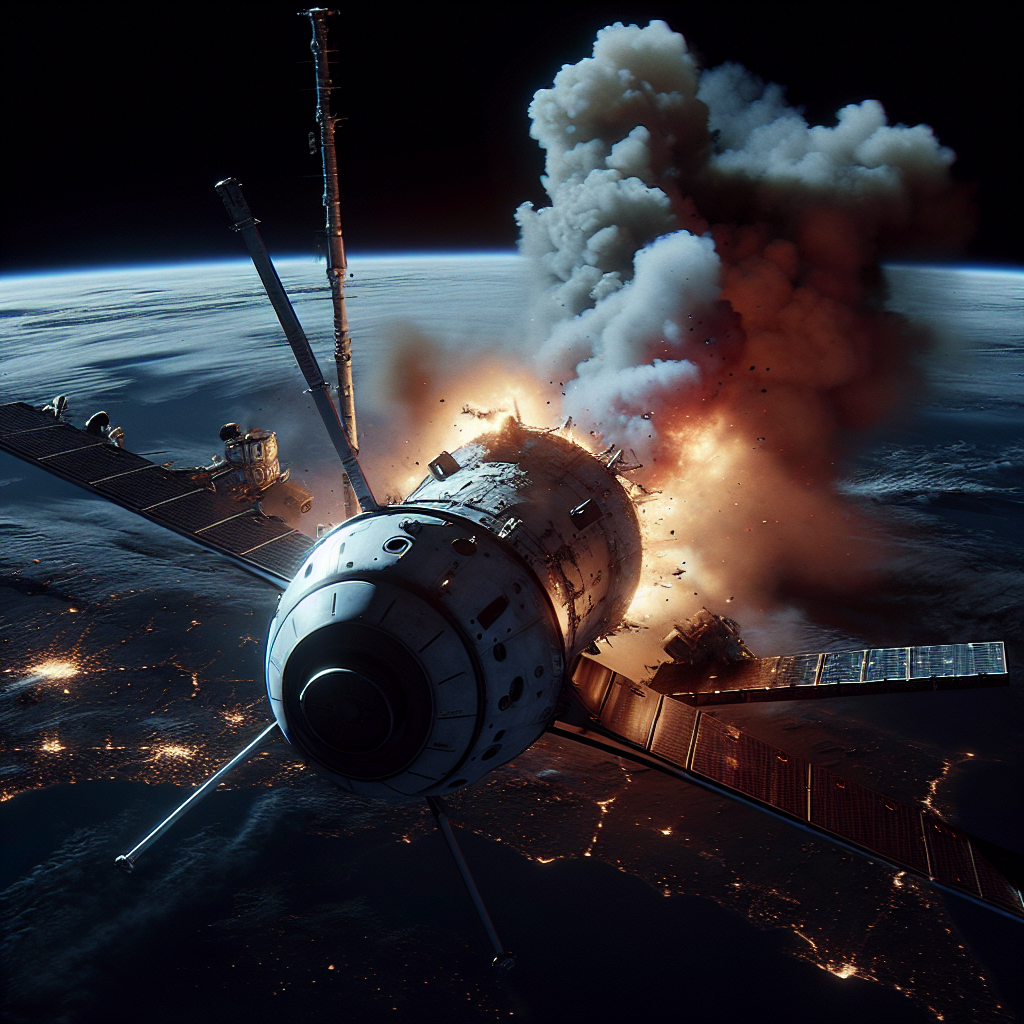
In the final frontier of space exploration, accidents and setbacks are inevitable. Recently, SpaceX’s ambitious Starship project faced a significant hurdle that captured the attention of both enthusiasts and critics. The spacecraft, designed for ambitious missions to Mars and beyond, self-destructed after encountering propellant leaks that caused fires and a communications blackout. This article delves into the incident, examining the causes, implications, and future of SpaceX’s interstellar endeavors.
Understanding the Incident: What Really Happened?
SpaceX has always been at the forefront of aerospace innovation, consistently pushing boundaries with their groundbreaking projects. The Starship, a fully reusable spacecraft developed primarily to transport humans and cargo to Mars, is one of the most advanced projects they have undertaken. However, like any pioneering venture, it is not immune to setbacks.
The Propellant Leak: A Closer Look
The core issue that led to the Starship’s self-destruction was a leak in its propellant system. This leak ignited fires on board, leading to a catastrophic failure. The propellant used in Starship includes:
- Liquid Methane (CH4)
- Liquid Oxygen (O2)
These substances are crucial for powering the Raptor engines which propel the spacecraft. A leak in this system is particularly dangerous due to:
- Flammability: Both methane and oxygen are highly combustible.
- Pressure: The propellants are stored under high pressure, making any leaks potentially explosive.
The failure highlighted the critical need for stringent checks and updated safety mechanisms to prevent such leaks in future missions.
The Fires and Communication Blackout
The fires caused by the leaks were severe enough to lead to a complete communications blackout between the Starship and ground control. This blackout played a pivotal role in the decision to trigger the self-destruct mechanism, a built-in fail-safe designed to prevent uncontrolled landings or further damage. The communication systems experienced:
- Equipment Failure: Fire damage to critical transmission hardware.
- Signal Obstruction: Flames and heat affecting signal strength.
SpaceX’s decision to self-destruct demonstrates a high level of caution, prioritizing safety over the potential recovery of the mission.
Why did SpaceX opt for Self-Destruct?
SpaceX incorporates a self-destruct mechanism, officially known as the Flight Termination System (FTS), in its spacecraft for several reasons:
- Safety: To prevent the vehicle from becoming an uncontrollable hazard.
- Protocol: To protect surrounding areas and ensure public safety when missions go awry.
- Learning Opportunity: To analyze and learn from failures without risking more extensive damage.
In the event of catastrophic failures, the FTS is automatically or manually activated, ensuring that the craft is destroyed in a controlled manner. This incident reinforces SpaceX’s commitment to safety and underscores the unpredictable nature of space technology development.
Lessons Learned and the Path Forward
While it’s easy to focus on the negatives of failure, it’s crucial to recognize the wealth of knowledge gained in the process. SpaceX’s ability to analyze incidents thoroughly and adapt rapidly is a testament to their innovative approach.
Enhancing Safety and Technology
In response to this incident, SpaceX is reportedly implementing several improvements:
- Revised Propellant System Design: Efforts to eliminate leak points and improve material durability.
- Advanced Fire Suppression Systems: Installing automatic fire extinguishing systems that can mitigate onboard fires before they escalate.
- Robust Communication Systems: Enhancing redundant systems to prevent complete comms blackout even during onboard system failures.
Continued Testing and Development
Starship’s development is far from over. SpaceX has ongoing plans to:
- Run additional test flights to validate system improvements.
- Integrate higher levels of automation to detect and address issues in real-time.
- Engage with regulatory bodies to ensure all safety standards are met and exceeded.
Implications for the Future of Space Travel
The Starship incident, while significant, represents a single step in a long journey toward interplanetary travel. Each trial provides data that contributes to the bigger picture of space exploration.
Starship’s Role in Mars Missions
Despite this setback, the vision for Starship remains unchanged. It remains a centerpiece for planning Mars colonization, aligning with SpaceX’s long-term goals of making life multiplanetary. Areas where Starship will be pivotal include:
- Cargo Transport: Delivering necessary infrastructure and equipment.
- Human Spaceflight: Ensuring safe and reliable transport of astronauts and, eventually, civilians.
Public Perception and Industry Response
Public interest in space travel remains high, and incidents like this often spur increased curiosity and discussions around safety improvements and technological advancements. SpaceX’s transparency in addressing failures contributes positively to public trust and inspires the next generation of explorers and engineers.
Conclusion: The Road Ahead for SpaceX
While the self-destruction of Starship due to propellant leaks, fires, and a communication blackout presented a challenging scenario, it also offered a unique opportunity for SpaceX to refine and innovate further. Lessons learned from failures often lead to breakthroughs, and SpaceX’s track record suggests that they are well-equipped to turn this setback into a stepping stone toward future success. Keep an eye on this space—because SpaceX isn’t just building rockets; they are building the future.