
SpaceX’s Starship Self-Destruct: Unraveling the Mystery Behind Propellant Leaks and Communication Breakdowns
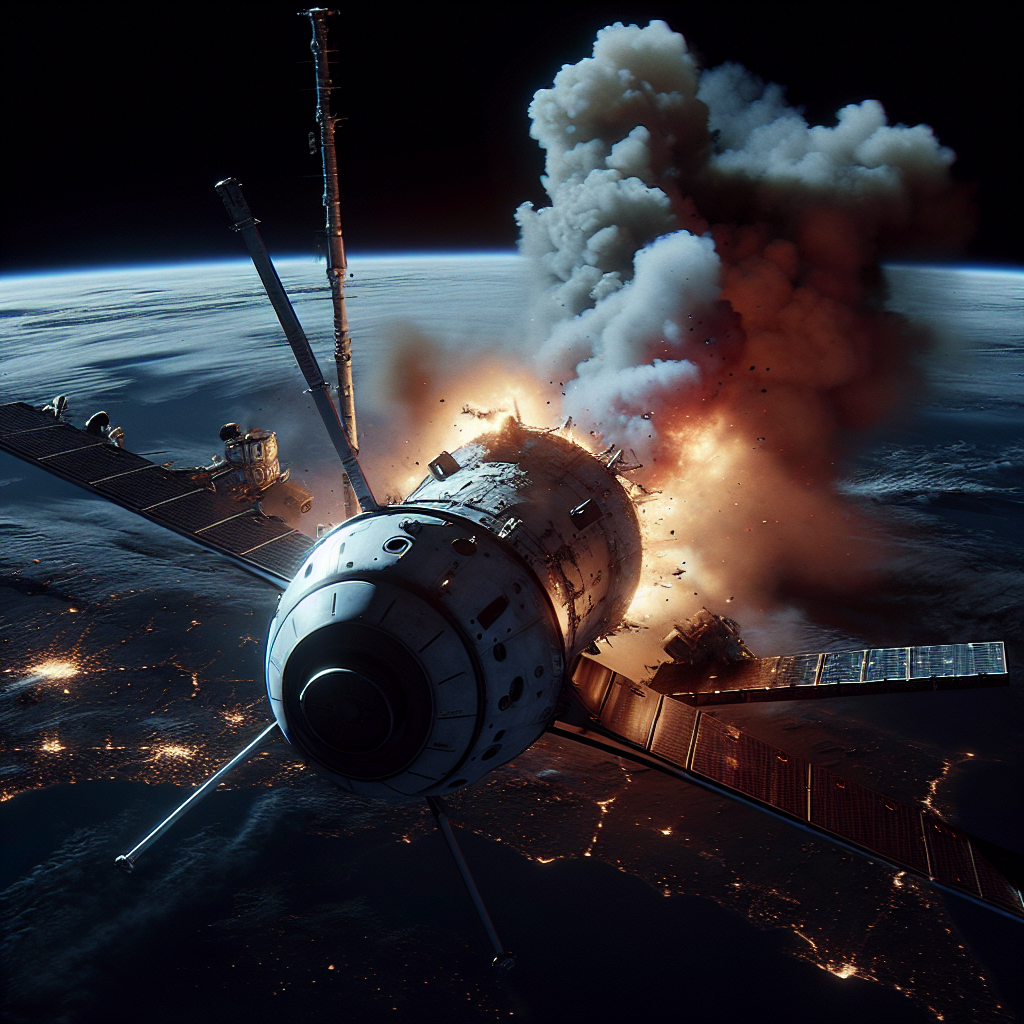
In a stunning turn of events, SpaceX’s highly anticipated Starship experienced a self-destruction sequence after propellant leaks led to fires and a communication blackout. This incident has captured the attention of space enthusiasts, industry experts, and the broader public alike. But what exactly happened, and what does this mean for SpaceX’s future? In this comprehensive article, we’ll delve into the details of the mishap and its implications, examining the key factors that led to the dramatic outcome.
Understanding the Starship: A Brief Overview
Before we dive into the specifics of the incident, it’s crucial to understand what Starship is and why it holds such significance. Developed by SpaceX, Starship is a fully reusable spacecraft designed to carry both crew and cargo to a variety of destinations, including the Moon and Mars. It’s part of Elon Musk’s vision to make space travel more affordable and accessible.
- Reusability: A major feature is its ability to be reused multiple times, significantly reducing the cost of space travel.
- Capacity: Capable of carrying over 100 tons, making it suitable for heavy payloads and large crew missions.
- Versatility: Planned for multi-purpose missions, from satellite deployment to interplanetary explorations.
The Incident: Starship’s Propellant Leak and Self-Destruct Sequence
In April 2023, during a routine test flight, SpaceX’s Starship was unexpectedly forced to self-destruct. This drastic measure was taken following a series of unfortunate events beginning with propellant leaks that led to fires, ultimately causing a communication blackout with ground control.
Propellant Leaks: The Root Cause
The primary cause of the incident was a leak in the propellant tanks. Propellant leaks can be highly volatile and catastrophic, especially in a spacecraft where reliability is non-negotiable.
- Source of the Leak: Initial reports suggest the leak originated from the liquid methane tanks. Investigators are still determining whether it was due to material failure or design flaw.
- Impact of the Leak: Led to uncontrollable fires. Since methane is highly flammable, any leak poses a severe risk of explosion.
Fires and Communication Blackout
As a result of the leaks, fires erupted, leading to the critical failure of multiple systems onboard Starship.
- Consequences of Fires: Damaged crucial sensors and electrical systems. This cascaded into a complete system shutdown, cutting off all communications with mission control.
- Emergency Protocols: In situations where control is lost, and the integrity of the spacecraft is compromised, SpaceX’s protocols necessitate an auto-destruct sequence to ensure public safety and prevent debris fallout.
Implications of the Incident: What’s Next for SpaceX?
While this incident has undeniably raised concerns, it’s important to recognize that space exploration is fraught with challenges. Each setback presents an opportunity for learning and improvement.
Safety Protocols: Learning from the Mistakes
SpaceX has always prioritized safety and innovation in their designs. This incident will likely lead to revised safety protocols:
- Enhanced Material Inspections: Predictive maintenance and advanced materials testing to preemptively detect weaknesses.
- Upgraded Sensor Systems: Development of fail-safe communication systems that can withstand unforeseen failures.
Future of Starship: The Road Ahead
Despite the setback, SpaceX remains committed to rectifying the issues and moving forward with their ambitious plans.
Commitment to Innovation:
- Continued development of next-gen Starship models.
- Ongoing tests and revisions based on the latest findings from this incident.
Timeline Adjustments:
- Potential delays in upcoming missions such as lunar landings and Mars colonization attempts. However, the focus remains on ensuring absolute safety and reliability.
Conclusion: A Setback or a Stepping Stone?
SpaceX’s journey with Starship is a testament to the complexities and unpredictabilities of space exploration. Although the recent incident might seem like a major hurdle, it is also a stepping stone toward more resilient technologies and safer missions. Each failure brings forth a wealth of knowledge that pioneers the path for future successes.
As SpaceX continues to investigate and learn from this mishap, the broader public and commercial space sector watches keenly. The stars may seem distant, but with dedication, innovation, and perseverance, humanity will keep reaching for them.
Stay tuned for updates on this story and for more insights into how cutting-edge technology is shaping our world—and beyond.