
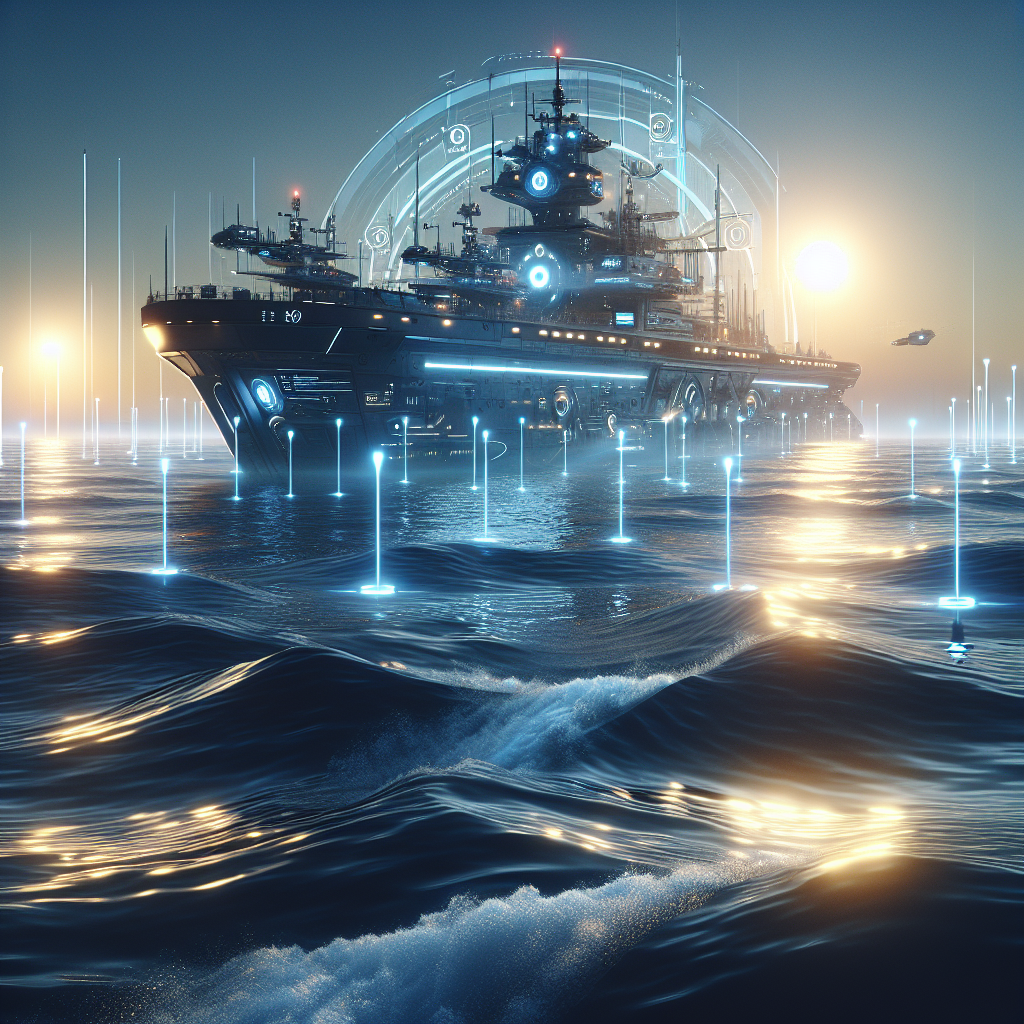
Revolutionizing Naval Warfare: Saronic Raises $600M to Mass-Produce Autonomous Warships
In an unprecedented move that signals a monumental shift in naval warfare and technology, Saronic has successfully raised a staggering $600 million to spearhead the mass production of autonomous warships. As global maritime security dynamics evolve, Saronic emerges as a pivotal player in shaping the future of maritime combat. With significant progress in autonomous technology and artificial intelligence, the capabilities of naval fleets are on the brink of transformation.
The Rise of Autonomous Warships
What is Driving the Need for Autonomous Warships?
The demand for autonomous warships is meeting the intersection of technology, security, and strategic dominance. Several factors drive the increased interest and investment in autonomous naval vessels:
- Enhancing Strategic Military Advantages: Autonomous warships offer unprecedented operational flexibility, allowing navies to extend their reach and efficiency.
- Cost Efficiency: Reducing the crew aboard a ship decreases overall operational costs, allowing navies to allocate resources more effectively.
- Minimizing Human Risk: With fewer personnel on board, the risks to human life during combat or challenging conditions are significantly reduced.
- Technological Leap: Continuous advances in AI and machine learning make operational autonomy increasingly reliable and effective.
Saronic’s Vision and Strategy
Saronic aims to revolutionize naval warfare by focusing on innovation-driven solutions that enhance operational capabilities while maintaining commitment to safety and security. Their strategy encompasses:
-
R&D Excellence: A dedicated investment in research and development to fine-tune technology for real-world maritime challenges.
-
Partnerships with Defense Agencies: Collaborating closely with global defense organizations to align technological advancements with strategic needs.
- Scalable Production: Establishing pathways for scalable, efficient mass production without compromising on quality or technological integrity.
The Technology Behind Autonomous Warships
Key Technological Components
At the technological core of autonomous warships are innovations that collectively empower these vessels:
Artificial Intelligence & Machine Learning
These technologies enable:
-
Real-time data processing, enhancing decision-making and adaptive capabilities in dynamic maritime environments.
- Predictive analytics, foreseeing potential threats or navigation obstructions and formulating responses instantly.
Advanced Navigation Systems
Autonomous warships rely on:
-
Sophisticated sensor arrays to collect and analyze environmental data, ensuring precise navigation and obstacle avoidance.
- Robust geolocation technologies that maintain operational accuracy over vast ocean distances.
Cybersecurity Measures
With increased digital dependencies comes heightened cybersecurity vulnerabilities. Saronic places immense emphasis on:
-
Encrypted communications to safeguard operational data and strategic directives.
- Continuous threat assessment and response mechanisms to defend against potential cyber-attacks targeting autonomous systems.
Advantages and Potential Implications
The development and deployment of autonomous warships carry significant implications:
Military and Strategic Benefits
-
Rapid Deployment: Quick mobilization without comprehensive preparation reduces reaction times during conflicts.
- Versatile Missions: Ability to undertake a broad spectrum of operations from surveillance to combat missions with minimal human intervention.
Global Naval Landscape
As countries invest in autonomous warships, the balance of naval power could experience substantial shifts, instigating:
-
Technological Arms Races: Rapid advancements may lead to significant investments in technology by global powers, creating new dynamics in defense strategies.
- Policy and Ethical Considerations: Autonomous operation raises essential discussions on the rules of engagement, accountability, and ethical use in warfare.
Challenges and Considerations
Technological Limitations and Reliability
While promising, autonomous warships must overcome technological hurdles, such as:
-
Adverse Weather Conditions: Ensuring functionality and reliability in unpredictable maritime environments.
- Sophisticated Fail-safes: Mechanisms to safely override automated commands in unforeseen circumstances.
International Regulations and Standards
Aligning autonomous warfare technologies with international maritime laws remains critical to global cooperation:
-
Developing Unified Guidelines: Establish protocols for the deployment and operational use of autonomous naval vessels.
- Collaborative Oversight: Establish joint monitoring systems to ensure global maritime security stability.
Saronic’s Leadership in Autonomous Naval Innovation
With its recent funding, Saronic is poised to lead the charge in the autonomous naval sector. Moving forward, their commitment to innovation and strategic development will focus on:
-
Expanding Collaborative Partnerships: Strengthening relationships with key stakeholders in defense and technology to further drive industry innovation.
-
Driving Policy-Shaping Initiatives: Engaging in policy dialogues to support the ethical and responsible deployment of autonomous warships.
- Continued Investment in Talent and Technology: Recruiting top-tier talent and maintaining robust technological pipelines to sustain advancements.
The Future of Autonomous Warships
Evolving with Innovation
The future of naval warfare is not just about cutting-edge technology; it’s about reshaping the strategic paradigms that define military engagements:
-
Integrated Military Networks: Seamless integration of autonomous systems within larger military frameworks enhances comprehensive defense strategies.
- Innovative Tactical Deployments: Use of multiple autonomous units in coordinated missions enables strategic complexity and agility.
As Saronic continues to build on its vision of autonomous naval leadership, the maritime defense landscape anticipates exciting and transformative changes.
In conclusion, Saronic’s ambitious project to mass-produce autonomous warships stands as a testament to the merging paths of technological innovation and strategic foresight. As such advancements unfold, the future of naval warfare promises a strategic environment where autonomous operations redefine the battlefields of tomorrow.