
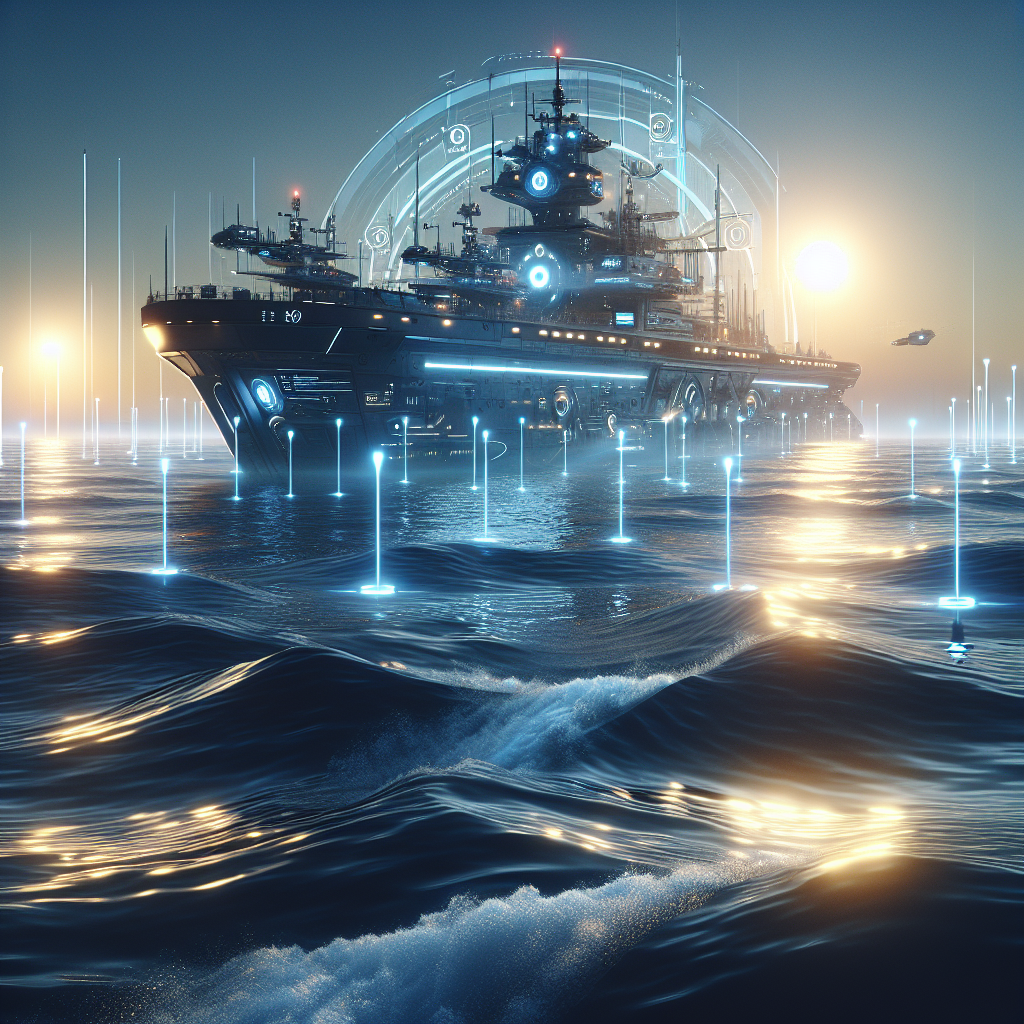
Saronic’s $600M Investment: A New Era for Autonomous Warships
The world is on the cusp of a technological evolution in naval warfare, and at the helm of this transformation is Saronic—an emerging leader in maritime innovation. With a staggering $600 million raise, Saronic aims to revolutionize the production of autonomous warships, marking a significant milestone in defense technology. In this article, we delve deep into how this funding will power the mass production of autonomous warships, the implications for global security, and the technological advancements driving this industry-leading change.
The Dawn of Autonomous Naval Warfare
Autonomous vehicles have already made waves in sectors like transportation and aerial drones, and now they’re setting sail in the maritime world. The evolution towards autonomous warships is not just a shift in technology but a strategic move that could redefine naval warfare.
What are Autonomous Warships?
Autonomous warships are vessels equipped with the capability to operate independently, without the need for a human crew. These warships utilize advanced AI algorithms, sensor technologies, and cutting-edge navigation systems to execute complex missions at sea. Their autonomous nature offers several advantages, including enhanced operational efficiency, reduced human risk, and increased flexibility in various maritime operations.
Key Features of Autonomous Warships
- AI-Driven Decision Making: Leveraging artificial intelligence to navigate, detect threats, and perform tactical maneuvers without human intervention.
- Advanced Sensors and Radar Systems: Equipped with sensors that can identify obstacles, threats, and environmental conditions.
- Remote Monitoring and Control: Though autonomous, these vessels can be remotely monitored and controlled to ensure mission success.
- Sustainability and Maintenance: Designed for long-duration missions with minimal maintenance, increasing operational uptime.
Saronic’s Bold Move: The $600 Million Funding Round
In a significant show of confidence, investors have poured $600 million into Saronic’s vision for the future of naval warfare. But what exactly does this capital injection aim to achieve?
Fueling Innovation and Expansion
With the massive influx of funds, Saronic plans to expedite the Research & Development (R&D) process and maximize production capabilities, thereby getting ahead in the competitive landscape of autonomous vessels.
Planned Allocations of the Funding
- R&D Investments: A considerable portion will be directed towards enhancing AI, cybersecurity, and navigation systems.
- Manufacturing Facilities: Expansion of production facilities to increase the output of state-of-the-art warships.
- Strategic Partnerships: Collaborations with technology firms and defense contractors to integrate the latest tech advancements.
- Global Expansion: Venturing into new markets to strengthen Saronic’s presence worldwide.
Implications for Global Security
As nations grapple with emerging threats in the modern world, autonomous warships offer a strategic leverage, posing significant implications for global security and military operations.
Advantages in Defense Operations
- Force Multiplier: Autonomous ships act as force multipliers, enhancing naval capabilities without the need for an expanded human fleet.
- Cost-Efficiency: In the long-term, autonomous vessels reduce the need for expensive training, recruitment, and personnel deployment.
- Reduced Human Casualties: By removing sailors from harm’s way, autonomous warships mitigate the risk of life in hostile environments.
Global Strategic Dynamics
The introduction of autonomous warships by Saronic could potentially alter military strategies, prompting other nations to either develop similar technologies or form alliances to counterbalance this newfound naval power.
Technological Advancements Underpinning Autonomous Warships
The backbone of Saronic’s groundbreaking warships lies in the cutting-edge technologies they incorporate. Here’s a closer look at what makes them tick:
Artificial Intelligence and Machine Learning
AI systems are crucial for managing the ship’s decisions, including pathfinding, threat detection, and target acquisition, providing unprecedented precision in mission-critical scenarios.
Internet of Things (IoT) and Connectivity
The integration of IoT systems ensures seamless communication between the ship’s myriad sensors and control systems, facilitating real-time data processing and decision-making.
Cybersecurity Measures
Given the digital nature of these vessels, staunch cybersecurity protocols are in place to thwart potential hacking attempts and ensure data integrity during missions.
The Future of Autonomous Warships
Saronic’s audacious $600 million venture is not just about what they can achieve today but how they shape the maritime domain of tomorrow.
Potential Challenges and Considerations
- Ethical Concerns: The deployment of fully autonomous combat systems raises questions around accountability in conflict situations.
- Regulatory Hurdles: Navigating international maritime laws to ensure compliance with evolving legal standards.
- Technological Failures: Mitigating risks associated with system errors or failures that could jeopardize missions.
Exciting Prospects on the Horizon
With Saronic’s relentless push for advancement, we can anticipate the emergence of more refined autonomous systems, potentially expanding into commercial shipping, rescue operations, and environmental monitoring.
Conclusion
Saronic’s substantial funding initiative signals a transformative shift towards the mass production of autonomous warships, melding state-of-the-art technology with strategic military prowess. As the maritime battlefield evolves, the world watches with bated breath to see how these unmanned vessels will sail us into a new era of naval warfare—one that promises to be revolutionary and redefining.
The journey of Saronic and its $600 million-backed mission is a testament to the relentless human quest for innovation and supremacy in global defense. As the waves of change sweep the maritime sector, one thing is clear: the future of naval combat is here, and it is autonomous.