
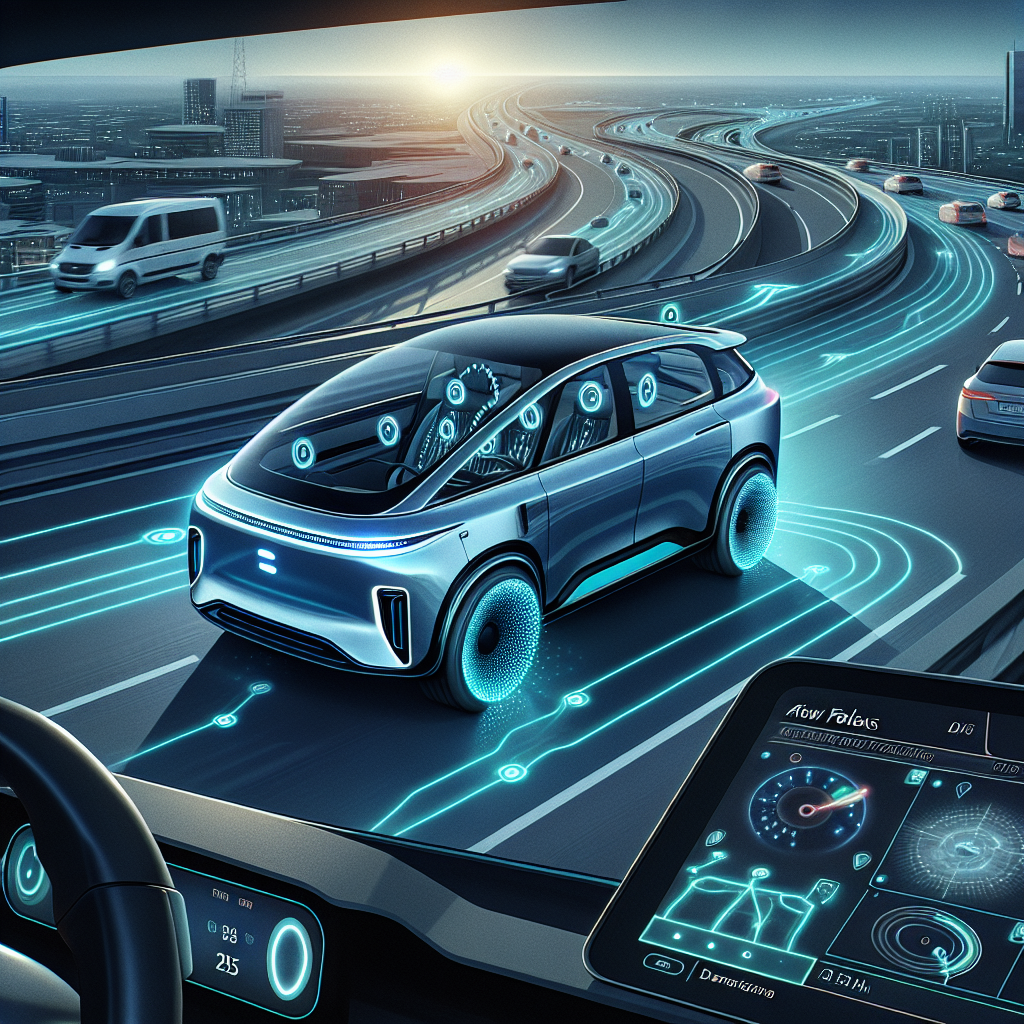
Rivian’s Hands-Off Highway Driver Assist: Revolutionizing Road Trips
The automotive industry has been abuzz lately with Rivian’s announcement that it will launch a hands-off highway driver assist feature in just a few weeks. As part of Rivian’s continuous innovation, this upcoming feature promises to redefine what drivers expect from their electric vehicles (EVs). With a sleek design, eco-friendly technology, and now, an advanced driver assistance system, Rivian is positioning itself as a leader in the EV space.
What is Rivian’s Hands-Off Highway Driver Assist?
The hands-off highway driver assist system is designed to provide a more relaxed driving experience, particularly over long distances and on highways. While Rivian hasn’t released all the technical details just yet, the anticipation is high, and here’s what we know so far:
- Hands-Free Driving: The system allows the driver to take their hands off the wheel under certain conditions, making long road trips less tiring.
- Advanced Sensors: Utilizing state-of-the-art sensors and cameras, the system monitors road conditions and traffic patterns to operate safely.
- Driver Monitoring: Despite being hands-free, the system ensures driver attention through an advanced monitoring system.
These attributes reflect Rivian’s commitment to safety, innovation, and user convenience.
The Technology Behind Rivian’s New Feature
Sensor and Camera Systems
Rivian’s hands-off highway driver assist will likely integrate a comprehensive suite of sensors and cameras. The technology is similar to systems used by automotive giants, yet Rivian aims to push the envelope by offering advanced functionality:
- 360-Degree Radar and LIDAR: Allowing for complete situational awareness around the vehicle.
- High-Definition Cameras: For superior lane-keeping and obstacle detection.
Each component works together to enable the vehicle’s adaptive cruise control, lane centering, and other autonomous functions.
Driver Monitoring Mechanism
While the system allows hands-free driving, driver attention is still paramount. Rivian has likely developed an advanced driver monitoring mechanism to ensure:
- Eye Tracking: To monitor the driver’s eyes and ensure they are focused on the road.
- Alerts and Warnings: If the driver becomes inattentive, the system can alert or even retake control of the vehicle.
Software Updates
Rivian is expected to leverage over-the-air software updates to enhance its system continually. This means features will evolve and improve, offering:
- Regular Enhancements: Keeping the system up-to-date with road regulations and enhancing functionality based on real-world data.
- Bug Fixes and Security Updates: Ensuring the system remains secure and efficient.
How Rivian’s System Compares to Competitors
In the swiftly evolving field of autonomous driving technologies, Rivian’s entry marks another milestone. It’s helpful to consider how this new system may stack up against those offered by renowned competitors like Tesla and GM.
Tesla’s Autopilot and Full Self-Driving (FSD)
Tesla has been a pioneer in the space of autonomous driving. Here’s how Rivian’s system might compare:
- User Interface: While Tesla provides a minimalistic interface, Rivian aims to offer user-friendly interaction through detailed graphical representation.
- Mapping and Navigation: Tesla’s system relies heavily on real-time maps. Rivian is expected to use a similar strategy but emphasize more accurate GPS enhancements.
General Motors’ Super Cruise
GM’s Super Cruise has been a benchmark for hands-free driving:
- Road Coverage: Super Cruise supports hundreds of thousands of miles of highway. Rivian is expected to quickly expand its supported road network via updates.
- Precision Controls: Like GM, Rivian promises precise and reliable driving capabilities through its system.
Benefits of Hands-Off Driving
Hands-off driving offers numerous advantages, some of which include:
- Reduced Fatigue: Long drives can now become less tiring, reducing fatigue-related accidents.
- Improved Safety: Constant monitoring and precision control may enhance overall road safety.
- Increased Comfort: Passengers can enjoy a smoother ride, with fewer driver interventions.
These benefits underscore Rivian’s dedication to creating a superior driving experience for its customers.
Challenges and Considerations
Legal and Regulatory Landscape
The deployment of hands-off driving technology is not without challenges:
- Regulatory Approval: It may vary across states and countries, impacting where the feature can be used.
- Standardization: There’s a need for standard regulations to ensure safety and compatibility across various technological platforms.
Driver Adaptation
Another consideration is whether drivers are ready to embrace this change. There needs to be an educational effort to ensure:
- User Comfort: Drivers are comfortable with the technology and trust its capabilities.
- Informed Usage: Drivers understand when and how to best utilize the system.
Conclusion: The Road Ahead for Rivian
The introduction of a hands-off highway driver assist feature marks an exciting chapter in Rivian’s journey. It exemplifies their commitment to innovation and leadership in the EV market. This feature has the potential to revolutionize how we approach long-distance travel, enhancing safety and comfort along the way.
By blending cutting-edge technology with a user-friendly approach, Rivian is not just following the trend but is setting new standards. As we await the official launch, the anticipation is palpable, and the possibilities seem endless for all EV enthusiasts and users alike.
Stay tuned as Rivian gears up to redefine what it means to take a road trip in an electric vehicle, promising an exciting future for sustainable and autonomous transportation.