
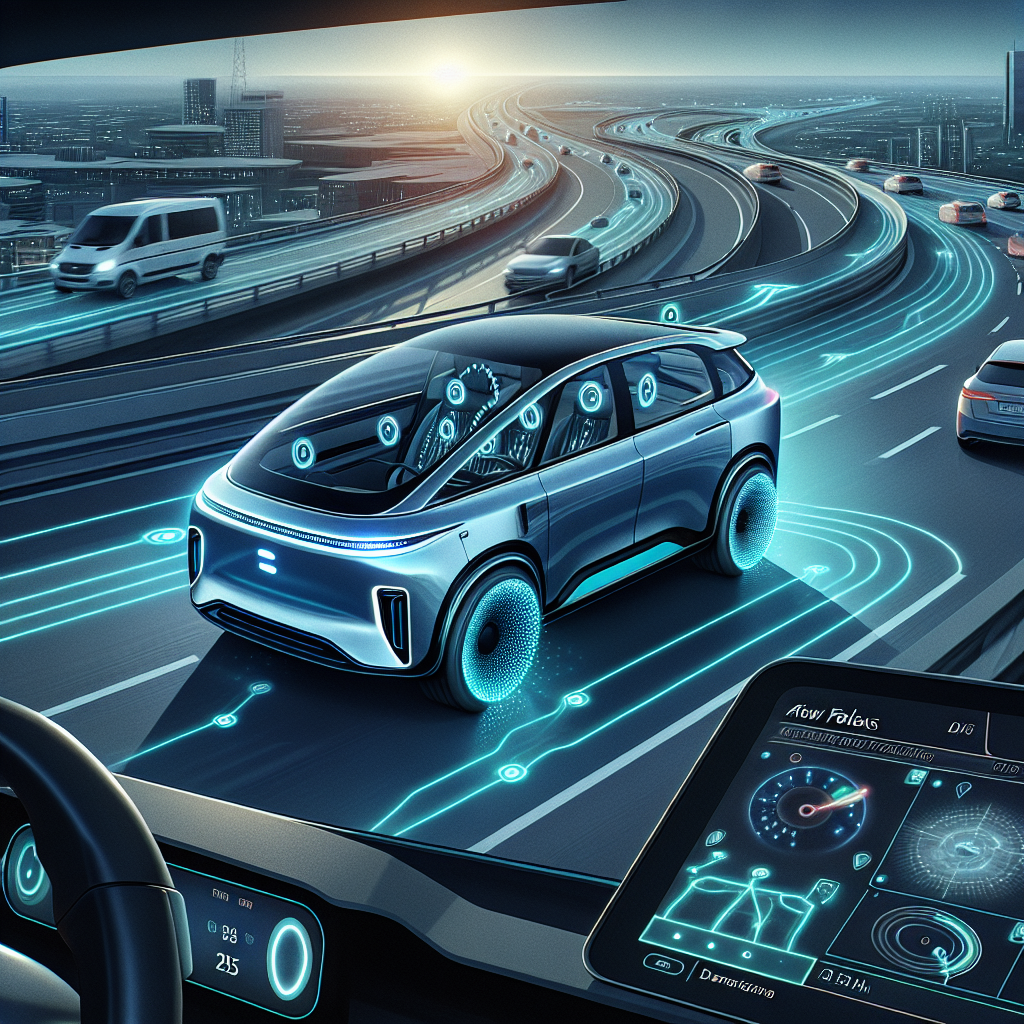
Rivian to Launch Revolutionary Hands-Free Highway Driver Assist—What You Need to Know
As technology continues to shape the future of the automotive industry, we find ourselves on the brink of an exciting era of self-driving possibilities. Just around the corner is Rivian’s latest innovation set to make its debut—a hands-free highway driver assist system, scheduled for launch within weeks. This groundbreaking technology promises to revolutionize the way we perceive long-distance driving, enhancing safety and driving convenience for everyone. So, what makes Rivian’s new feature a must-anticipate innovation? Let’s explore.
An Introduction to Rivian’s Vision
Rivian, an emerging player in the electric vehicle (EV) market, is celebrated for its commitment to creating vehicles that blend adventure and sustainability. Aiming to raise the bar in the EV sector, Rivian strives to offer cutting-edge technology clustered around eco-friendliness. As part of their continuous efforts to revolutionize driving, Rivian is soon unveiling its state-of-the-art hands-free highway driver assist system.
- This advance will mark Rivian’s entry into the automated driving field, competing with the likes of Tesla’s Autopilot and GM’s Super Cruise.
- The emphasis is on crafting a driver-assist feature that prioritizes safety, efficiency, and ease-of-use in long highway commutes.
What Exactly is Hands-Free Highway Driver Assist?
Defining Hands-Free Technology
"Hands-free" technology in driving systems typically refers to mechanisms that allow drivers to relinquish some control of the vehicle to a computerized system—especially during specific conditions like highway driving. These technologies use a combination of:
- Advanced sensor arrays
- Machine learning algorithms
- Cutting-edge navigation systems
- High-definition mapping data
How Rivian’s Hands-Free Driver Assist Works
Rivian’s system synthesizes AI-driven technology with precise data collection to enable safe autonomous driving on highways. Here’s a quick breakdown of its expected functionalities:
- Adaptive Cruise Control: Automatically adjust speed for a consistent and safe following distance.
- Lane Centering: Ensures the vehicle remains centered in the lane, adjusting steering as necessary.
- Traffic Sign Recognition: Reads and responds to traffic signals for smarter navigation.
- Smooth Transitions for Driver Control: Provides smooth switching between automatic and manual driving modes.
Safety First: Why Rivian’s System Stands Out
The Importance of Safety in Autonomous Driving
Safety is paramount when discussing driver assistance systems because it directly corresponds to public trust and widespread adoption. Here’s what makes Rivian’s solution a standout in safety:
- Redundant systems that ensure backups in case of hardware or software failures.
- Thorough road testing under diverse conditions to enhance system reliability.
- A focus on avoiding obstacles and managing unexpected roadway situations.
Enhancing Driver Confidence
By maintaining a high safety threshold, Rivian hopes to bolster driver confidence, ensuring that more potential buyers consider vehicles equipped with this technology. Features like real-time driver monitoring and instant alerts regarding system changes play a crucial role in this objective.
Rivian vs. Competitors: What’s New?
Rivian enters a competitive field dominated by formidable players. So how does its new driver-assist technology stack up against other industry titans like Tesla, Waymo, and GM?
Rivian vs. Tesla’s Autopilot
- Mapping Precision: Rivian’s approach potentially offers greater highway mapping detail, focusing on niche areas like rural highways where other systems often struggle.
- User Engagement: Allowing more seamless control transitions may set Rivian apart in terms of user comfort and reduced system restarts.
Rivian vs. GM’s Super Cruise
- Hardware Redundancy: Ensuring driver safety through alternative systems is a shared feature; however, Rivian’s marketing could highlight enhanced AI-based decision-making.
- Customization Options: Rivian vehicles are likely to offer greater adaptability to different driving styles and preferences, attracting a broader consumer base.
Preparing for the Future: Consumer Implications
Anticipated Benefits
The introduction of Rivian’s hands-free highway driver assist heralds multiple benefits for the average consumer, including:
- Decreased Driver Fatigue: Reducing the inevitable strain from long highway drives.
- Improved Fuel Efficiency: Meticulous driving adjustments could mean better mileage and reduced energy expenditure.
- Promoting Eco-Friendly Travel: Efficient EV technologies complement Rivian’s driver-assist systems to promote sustainable travel.
Expectant Limitations
While promising, Rivian’s system will debut with inherent limitations:
- Only for Highways: It remains exclusive to highway scenarios initially, limiting urban or local scope.
- Weather Conditions: Performance in extreme weather conditions could pose challenges, a common hurdle in current autonomous driving systems.
Final Thoughts: Driving the Future Forward
Rivian’s anticipated launch of a hands-free highway driver assist system marks a significant leap toward a future where intelligent vehicles enhance human experience and interaction. By blending technological innovation with eco-consciousness, Rivian’s approach continues to reckon with the potential and responsibility of changing the world one drive at a time.
- Stay informed on new developments and feature rollouts as Rivian explores long-term enhancements and extended capabilities in autonomous technology.
- Embrace the future by making informed choices about how—and what—you drive.
This unveiling echoes a transformative narrative in automotive history that is bound to impact every road and driver. Keep an eye on Rivian as they venture into crafting a safer, greener, more efficient world of driving.