
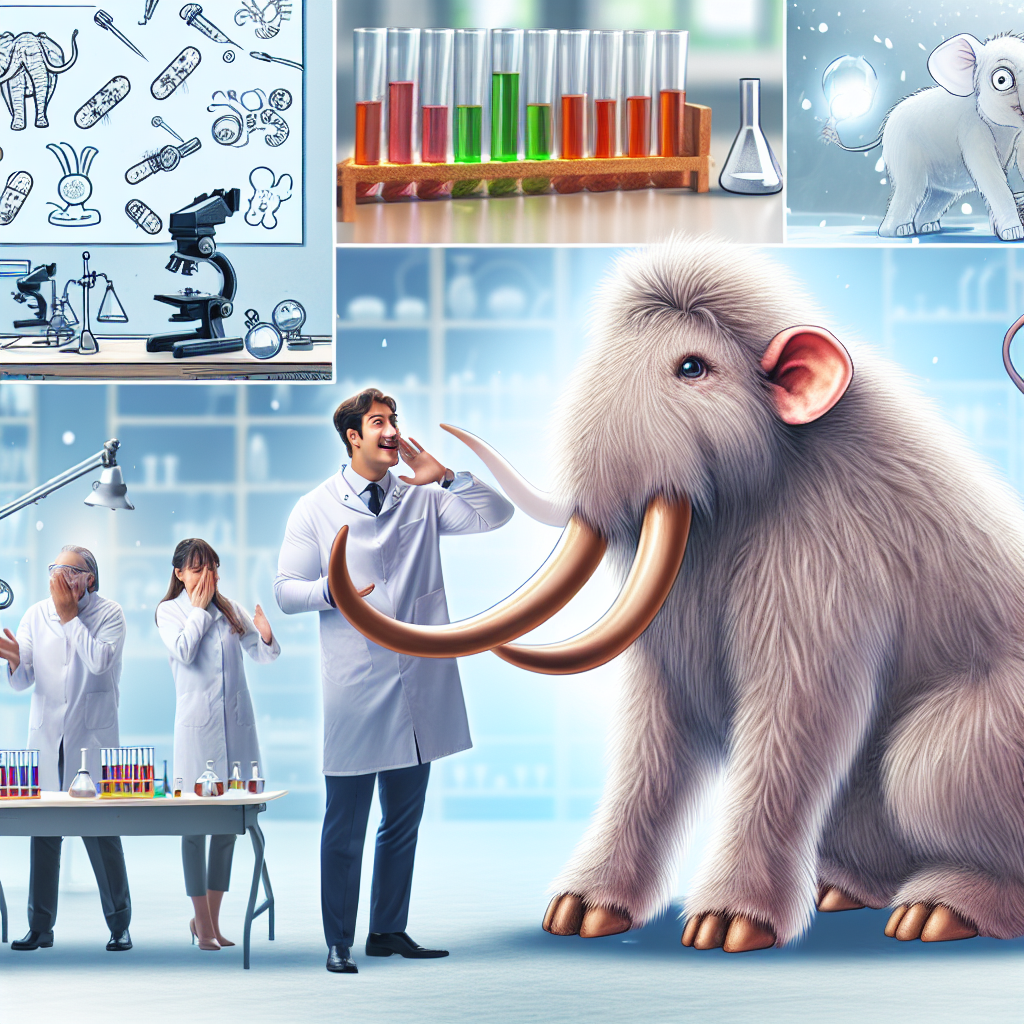
Bringing Back the Past: How Colossal Biosciences’ Woolly Mouse is Paving the Way for the Return of the Woolly Mammoth
In the ever-evolving world of genetics and biotechnology, Colossal Biosciences stands out as a pioneering force in the quest to de-extinct legendary species. One such endeavor that has captured the imagination of scientists and the public alike is their mission to revive the woolly mammoth. But before they bring back the giants of the Ice Age, the creation of a “woolly mouse” marks a significant milestone in this groundbreaking journey.
The Genesis of Colossal Biosciences: Leading the De-Extinction Efforts
Colossal Biosciences, co-founded by George Church, a renowned geneticist, and entrepreneur Ben Lamm, is on a fascinating journey to resuscitate extinct species, starting with the woolly mammoth. Their mission is not just about reviving lost giants but about restoring vital ecosystems and combating climate change.
What Makes Woolly Mammoths So Special?
- Woolly mammoths were instrumental in maintaining the Arctic grasslands.
- Their presence helped to prevent the melting of the permafrost by trampling down the snow.
- These magnificent creatures have become a symbol of humanity’s impact on biodiversity and extinction patterns.
Why a Woolly Mouse?
The Role of a Woolly Mouse in Genetic Research
Creating a woolly mouse might seem like a quirky side project, but it is a critical step in understanding and demonstrating the techniques required for de-extinction efforts. This small creature serves as a prototype to test genetic modifications that can later be applied to larger mammals.
- Proof of Concept: By successfully splicing genetic materials from the woolly mammoth into an existing species, scientists can refine their techniques for larger-scale applications.
- Genetic Cloning: Mice have a shorter gestation period and are easier to genetically modify, making them ideal subjects for testing cloning techniques.
- Validation of Gene Editing Tools: The woolly mouse allows researchers to test CRISPR-Cas9 technology in bringing back traits thought to be extinct.
The Science Behind Recreating a Woolly Mouse
Advanced Gene Editing Techniques
Colossal Biosciences employs cutting-edge gene-editing technology to blend the genetic material of ancient, extinct species with their modern relatives. This process primarily involves:
CRISPR-Cas9: The Gene Editing Powerhouse
- CRISPR-Cas9 is used to "cut and paste" DNA segments from the woolly mammoth into the genome of the existing mouse.
- Precise alterations allow scientists to recreate physical traits, such as fur characteristics or even size adaptations.
Collaborations with Paleogenomics
Working closely with ancient DNA experts, genomic libraries for woolly mammoths are being compiled using well-preserved specimens. Reconstructing their genetic sequence accurately is critical for effective modifications.
Ecological and Ethical Implications
The Bigger Picture: Restoring Ecosystems
Reviving species like the woolly mammoth could substantially impact the environment. Researchers argue that bringing back these creatures can help combat modern issues like climate change by:
- Enhancing biodiversity in areas that they previously inhabited.
- Redistributing plant and animal populations in a way that promotes ecological balance.
Ethical Considerations
While the scientific drive is remarkable, it is essential to ponder the ethical ramifications of such endeavors:
- Animal Welfare: The welfare of these revived species must be ensured.
- Environmental Disruption: The introduction of extinct species into modern ecosystems could have unforeseen consequences.
- Conservation Priorities: Focus might shift from conserving endangered species to reviving extinct ones.
The Road Ahead: From Mice to Mammoths
Bridging the Gap to Larger Species
The woolly mouse is just the beginning. With the confidence gained from this project, Colossal Biosciences aims to apply their findings to larger species by:
- Focusing research on the woolly mammoth’s closest living relatives: the Asian elephants.
- Employing surrogate Asian elephants to birth genetically modified mammals.
- Ensuring regulatory and ethical guidelines are met for widescale de-extinction trials.
Public Engagement and Future Prospects
To gain public support, Colossal Biosciences emphasizes transparency and public education. Engaging with forums, documentaries, and educational content is vital to building awareness and understanding:
- Documentaries and Public Forums: Participating in media that discusses the scientific and ethical dimensions of de-extinction.
- Collaborative Projects: Working with conservationists to ensure that de-extinction complements existing biodiversity efforts, not undermines them.
Conclusion: A Glimpse into the Future of De-Extinction
The creation of the woolly mouse by Colossal Biosciences is not merely an intriguing scientific endeavor but a profound step toward redefining biological boundaries. As researchers continue to challenge the limits of genetic engineering, the possibility of the woolly mammoth roaming the planet once more grows tantalizingly close. While the journey is fraught with challenges, balancing scientific ambition with ethical considerations may eventually usher in a new age of ecological restoration and understanding.
Through the lens of compassion, innovation, and responsibility, the quest to revive extinct species offers a fascinating insight into the potential—and limits—of mankind’s control over life.