
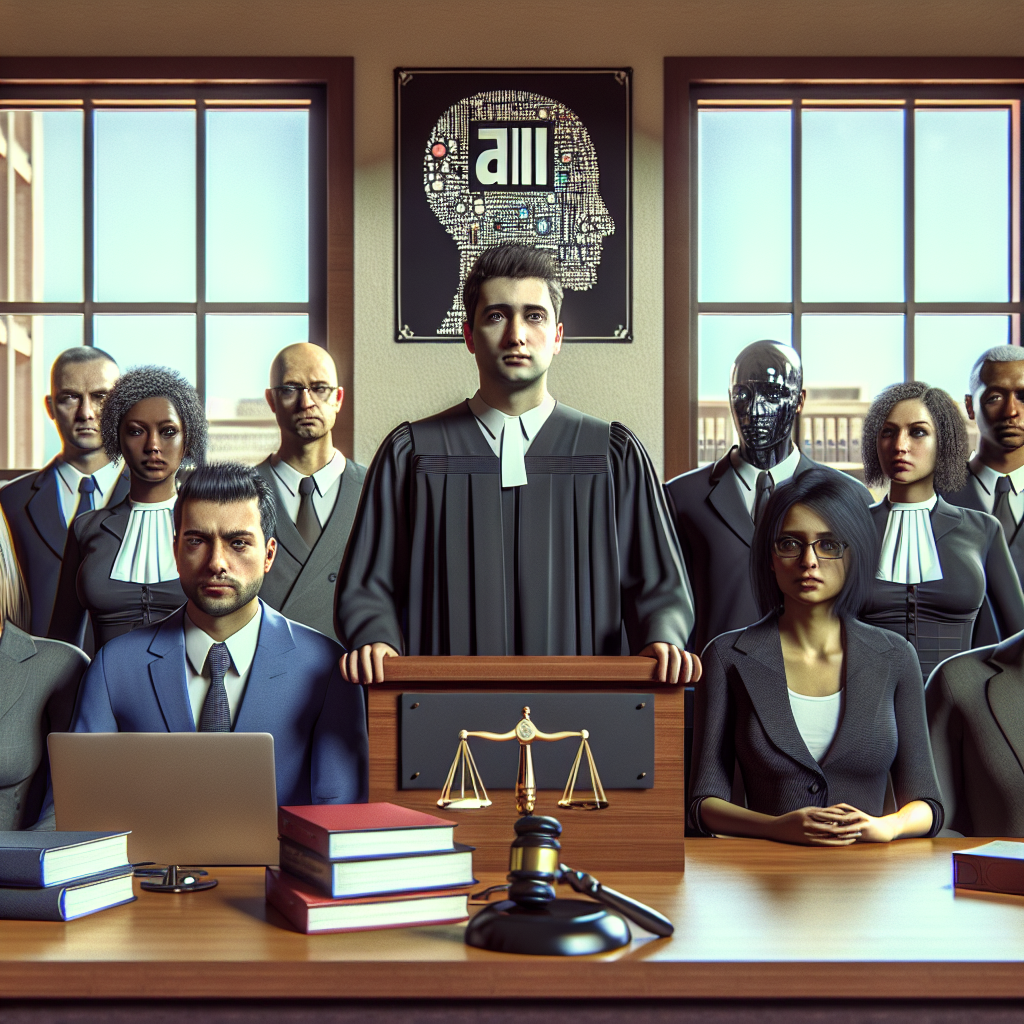
Publishers Sue AI Startup Cohere: A Legal Battle Over Copyright Infringement
In today’s rapidly evolving digital landscape, artificial intelligence (AI) continues to redefine industries, creating a paradigm shift in how we generate and consume content. Amidst these advancements, a significant legal battle has emerged, capturing the attention of publishers, tech enthusiasts, and legal experts alike. Publishers are suing AI startup Cohere, alleging copyright infringement, and this case has the potential to set a precedent for how AI models interact with copyrighted materials. Join us as we delve deeper into the story, unpacking the legal implications, ethical considerations, and future ramifications for content creators and AI developers.
The Players: Who is Cohere and Why are Publishers Concerned?
What is Cohere?
Cohere is an AI startup that specializes in building high-performance natural language understanding models designed to help businesses process and manage large volumes of text. By focusing on developing state-of-the-art language models, Cohere aims to improve machine comprehension and make AI-driven insights more accessible to various industries.
Concerns Raised by Publishers
Publishers have taken a stand against Cohere, raising serious concerns about how the startup uses copyrighted text data to train its models. Their lawsuit alleges that by utilizing their published works without appropriate permission or compensation, Cohere has infringed upon their intellectual property rights.
- Unauthorized Text Mining: The heart of the allegation rests on Cohere’s alleged practice of using copyrighted content to train its models without obtaining permission from the original content creators or publishers.
- Economic Impact: By using existing intellectual property to generate new content or insights, publishers argue that startups like Cohere could potentially undercut their business models, impacting revenue from their content.
Unearthing the Legal and Ethical Dimensions of AI and Copyright
Intellectual Property Rights and AI
The case against Cohere brings to the forefront the complex relationship between AI development and intellectual property rights. This legal battle revolves around the following key questions:
- Fair Use Doctrine: Does training an AI model using copyrighted text fall under the fair use doctrine, or does it constitute copyright infringement?
- Transformative Use: Is the AI model’s end product sufficiently transformative to justify the use of copyrighted material?
These are the questions courts will have to address, and their rulings could have significant implications for AI developers globally.
Ethical Considerations
Apart from legal concerns, the case raises several ethical issues surrounding the role of AI in content creation:
- Compensation for Creators: How should original content creators be compensated when their work is used to train AI models?
- Transparency and Consent: To what extent should AI developers disclose the sources of their training data, and should they seek explicit consent from the creators?
Potential Outcomes and Industry Implications
Possible Legal Outcomes
The lawsuit against Cohere could conclude in various ways, each carrying distinct industry-wide implications:
- Settlement Agreement: Cohere and the publishers might reach a settlement, which could establish new norms for AI training data acquisitions.
- Court Ruling: A court ruling in favor of the publishers could impose stricter regulations on AI developers regarding the use of copyrighted content.
- Fair Usage Expansion: Alternatively, a ruling favoring Cohere could broaden the applicability of the fair use doctrine, providing more leeway for AI startups in their development processes.
Implications for AI Developers
AI industry stakeholders are closely monitoring this case, as its outcome might dictate:
- Adjustments in AI Training Practices: Developers may have to adopt new strategies for data sourcing, which might include licensing agreements or developing synthetic datasets.
- Cost Implications: The need to obtain licenses for training data could increase development costs, affecting the affordability of AI solutions.
Navigating the Path Forward
Striking a Balance: Innovation vs. Intellectual Property
In the ongoing quest for technological innovation, balancing the rights of content creators with the need for data in AI development remains a formidable challenge. Potential steps forward include:
- Collaborative Licensing Models: Establishing frameworks that allow AI developers and publishers to collaborate efficiently, ensuring fair compensation while encouraging innovation.
- Policy Advocacy: Industry stakeholders could work towards influencing policies that harmonize intellectual property law with the needs of AI research.
The Role of Policy Makers
Governments and policy makers have a critical role to play in mediating these disputes and laying the groundwork for future AI development. They must strive to:
- Update Copyright Laws: Ensure copyright laws are comprehensive enough to account for AI-driven technologies and the unique challenges they present.
- Support Ethical AI Development: Encourage ethical guidelines and principles that govern AI interactions with copyrighted content, ensuring fair practices across the board.
Conclusion: The Evolving Intersection of AI and Copyright Law
The lawsuit involving AI startup Cohere highlights the shifting dynamics between artificial intelligence research and copyright laws. As AI continues to revolutionize content creation and consumption, it is vital for stakeholders to address the legal and ethical challenges that emerge. By fostering meaningful dialogue between AI developers, content creators, and legal experts, we can pave the way for a future where technological innovation respects intellectual property rights.
As this legal saga unfolds, its outcome will likely serve as a beacon for how the AI industry navigates copyright issues moving forward. Keeping an eye on these developments not only prepares us for potential changes in AI practices but also encourages a collaborative future where innovation and creativity can coexist, sparking new opportunities for technological progress and intellectual property protection alike.