
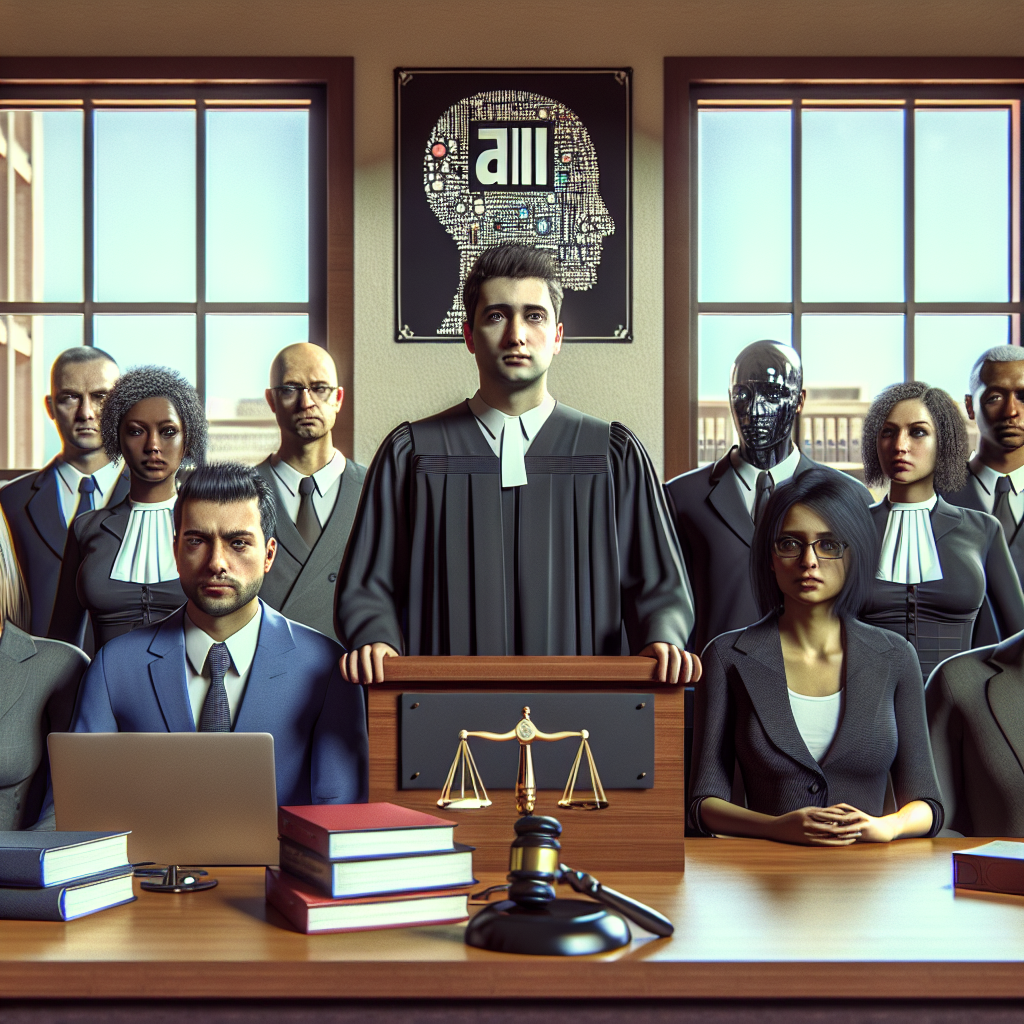
Publishers Sue AI Startup Cohere Over Alleged Copyright Infringement: A Deep Dive into the Legal Battle
In the rapidly evolving landscape of artificial intelligence (AI) and machine learning, the line between innovation and infringement can sometimes blur. Recently, the legal world witnessed a dramatic face-off when prominent publishers locked horns with AI startup Cohere over allegations of copyright infringement. This case could set precedence for how copyrighted materials are used in the burgeoning AI industry.
Introduction to the Legal Clash
Cohere, a promising AI startup, has made significant strides with its cutting-edge natural language processing technology. However, recent accusations from esteemed publishers have thrown the company into the spotlight for less flattering reasons. The publishers allege that Cohere’s AI models unlawfully utilize copyrighted materials, raising pressing questions about intellectual property rights, ethical AI use, and the future of content creation.
The Background of Cohere
Cohere emerged as a formidable entity in the AI sector with its dedication to developing user-friendly natural language solutions. Founded by AI researchers and engineers, Cohere prides itself on making AI accessible without compromising on complexity. Their language models promise to revolutionize how computers understand human languages, enabling applications in chatbots, translation, and content generation.
Accusations from the Publishers
The publishers allege that in training its AI models, Cohere used enormous volumes of copyrighted texts sourced illegally. They claim these acts constitute a flagrant violation of intellectual property laws designed to protect authors’ rights and original works. As a result, several high-profile publishing houses have united to seek legal redress.
Understanding Copyright Laws in AI
The lawsuit against Cohere brings forth fundamental issues about copyright laws and their application in AI. Considering the complexity of these regulations and the nuances of AI technology, it’s crucial to dissect how these laws come into play.
Copyright and Its Implications
Copyright is a legal means of protecting an author’s work, offering them exclusive rights to use, reproduce, and distribute their creation. With the advent of AI, these boundaries are being tested, as AI systems like Cohere’s require substantial volumes of data—often derived from already published content—to train effectively.
Fair Use and Its Limitations in AI
Many AI companies, including Cohere, often assert fair use as a defense against copyright infringement claims. Fair use allows limited use of copyrighted material without permission for purposes such as commentary, criticism, or educational use. In AI, however, the line between fair use and infringement is still murky:
- Transformative Use: Does the AI add anything new or substantially transform the content?
- Market Impact: Does the AI’s use of the material affect the market for the original work?
The courts are yet to fully adapt to these questions, making this case particularly pivotal.
Potential Implications of the Case
This lawsuit is not only a legal dispute but also a pivotal moment for the AI industry. The outcome could usher in new norms and practices for startups working with large datasets, raising crucial questions:
Impact on AI Development
- Data Accessibility: Could access to open data become restricted due to fear of legal repercussions?
- Innovation Roadblocks: Will this lead to increased legal hurdles for AI startups, stalling potential innovations?
Redrawing Ethical Boundaries
- Transparency: There’s a growing need for AI companies to be transparent about their data sources.
- Ethical Standards: The case might push the AI industry towards developing comprehensive ethical standards for data use.
The Legal Strategies in Play
Both sides bring formidable legal expertise to the battlefield, each prepared to wield complex legal arguments to sway the court’s decision.
Publishers’ Arguments
- Unauthorized Reproductions: Cohere’s models allegedly included verbatim copies of copyrighted texts, violating reproduction rights.
- Declaratory Relief: Publishers are also pursuing declaratory relief, asking the court to define the scope and limits of AI data usage.
- Injunctions: They seek immediate injunctions to prevent further use of these materials by Cohere.
Cohere’s Defense
- Fair Use Doctrine: Cohere is expected to argue the fair use of the content, transforming data into non-expressive outputs.
- Innovative Contribution: Emphasizing the transformative nature of their AI, Cohere might argue its applications add new value, supporting innovation.
Broader Industry Reactions
Stakeholder Opinions
- Tech Lobbying Groups: Some tech advocacy groups argue that stringent copyright laws can stifle technological advancement.
- Content Creators: Authors and artists rally for stricter copyright enforcement to protect creative content from misuse.
Regulatory Actions
- As a result of the lawsuit, there may be calls for clearer regulatory frameworks and more robust guidelines on AI’s use of copyrighted material.
Conclusion: Navigating the AI and Copyright Crossroads
This landmark case between publishers and Cohere is emblematic of the friction between tradition and innovation. At its core, it challenges us to find a harmonious balance between protecting creators’ rights and fostering groundbreaking advancements in artificial intelligence. As artificial intelligence continues to grow and evolve, this legal battle could serve as a critical benchmark for future regulations, shaping the virtual battlefield where creators, innovators, and legal experts converge.
With all eyes on this lawsuit’s outcome, the world waits to see how copyright laws will adapt in the digital age, potentially reshaping the future of AI and content creation.