
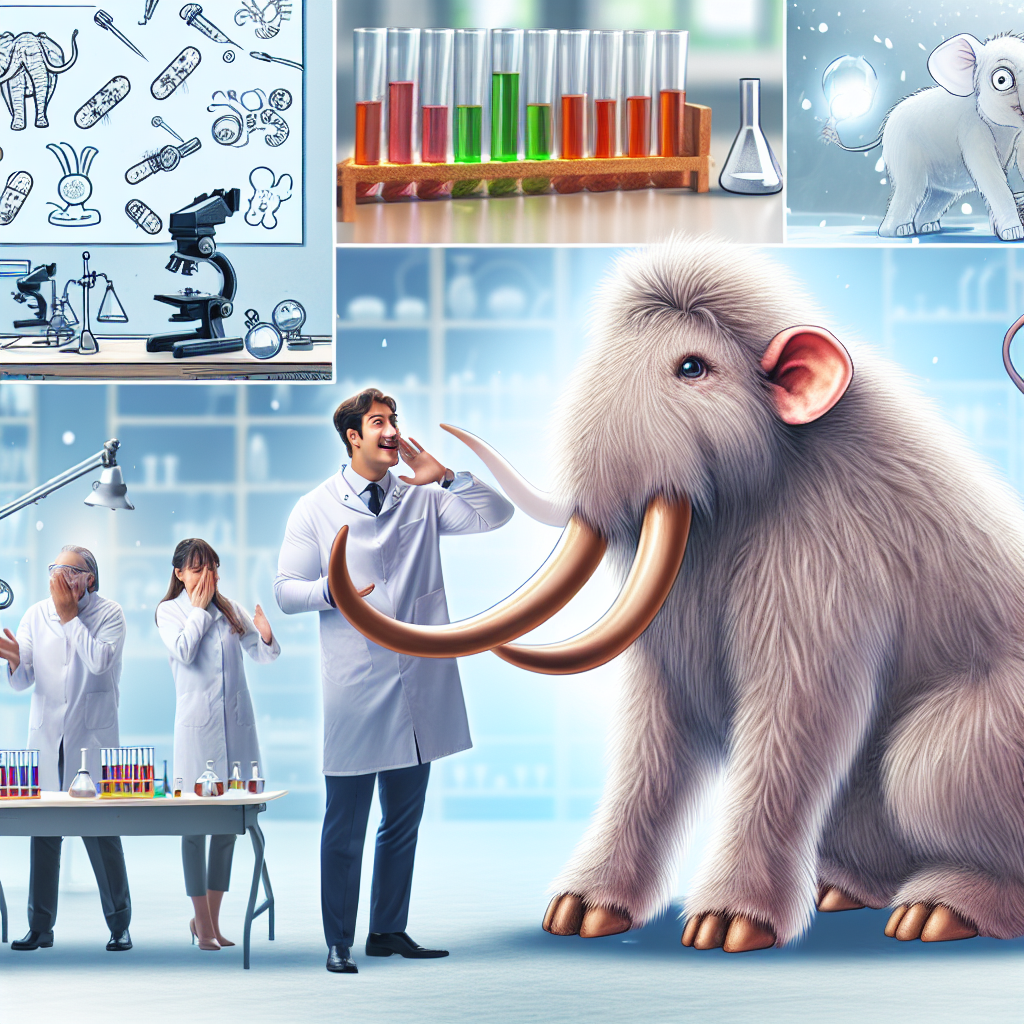
Resurrecting Giants: How Colossal Biosciences’ Woolly Mouse Brings Us Closer to the Woolly Mammoth
The world of genetics and biotechnology is an awe-inspiring realm that blurs the boundary between science fiction and reality. At the forefront of this breathtaking frontier is Colossal Biosciences, a biotech company with an ambitious mission: to bring back the legendary woolly mammoth. But as science strides forward, so do its stepping stones. One such leap is the development of the woolly mouse—a fascinating creature that serves as a harbinger of the biotech marvels to come. This article takes you on a journey through this scientific odyssey.
Breathing Life into Legends: The Genesis of Colossal Biosciences
Since its inception, Colossal Biosciences has been on a singular mission. With the dream of bringing back the ice age icon—the woolly mammoth—they’ve drawn upon the latest genetic technologies. But what makes the woolly mammoth so significant that it has galvanized the scientific community and piqued public curiosity?
Why the Woolly Mammoth?
- Ecological Impact: Woolly mammoths were crucial in maintaining the grasslands of the Pleistocene epoch. Their return could aid in combating climate change by slowing permafrost thawing.
- Biodiversity Restoration: Resurrecting extinct species could have significant positive effects on biodiversity and ecosystem health.
- Scientific Exploration: Each project milestone unveils new genetic insights and biotechnological advancements, paving the way for better understanding and potential miracles in genetics.
Journey to the Woolly Mammoth Revival
The path to bringing back the woolly mammoth isn’t straightforward. It demands comprehensive research, innovative technological application, and ethical considerations—not to mention unparalleled patience.
- Genetic Sequencing and Editing: Understanding and editing the mammoth genome are essential first steps.
- Synthetic Biology Advances: Synthesizing extinct DNA accurately and integrating it into a living organism is equally challenging.
- Embryology: Creating viable embryos and supporting their development are hurdles that researchers must overcome.
The Woolly Mouse: A Miniature Prologue to a Mammoth’s Return
What Is the Woolly Mouse?
Colossal Biosciences’ latest achievement, the woolly mouse, is a genetically engineered rodent that possesses key genetic similarities to the woolly mammoth. It serves as a vital stepping-stone, demonstrating the potential for resurrecting the mammoth itself.
- Purpose: Acts as a test-bed for genetic modifications aimed at developing cold resistance and other mammoth-like traits.
- Genetic Composition: Incorporates similar genes that provided the mammoth its critical survival features.
- Implications: Success with the woolly mouse indicates the viability and scale of future mammoth recreation endeavors.
How the Woolly Mouse Was Created
- CRISPR Technology: Employed to edit mouse DNA, replacing certain genes with those of a woolly mammoth.
- Gene Synthesis: Scientists synthesized specific mammoth genes related to adipose tissue and fur growth.
- Development and Growth: Observations and adjustments during the mouse’s development provide insights and refinement potential for future applications.
Navigating the Ethical Terrain
Reviving an extinct species raises a plethora of ethical queries. Here’s how Colossal Biosciences addresses these challenges:
Why Ethical Considerations Matter
- Animal Welfare: Ensure no harm comes to the genetically modified animals.
- Ecosystem Balance: Assess how returning species will affect current ecosystems.
- Resource Allocation: Prioritize efforts that provide maximal ecological and educational benefits.
Addressing the Ethical Hurdles
- Research Transparency: Openly share research findings with the scientific community and the public.
- Stakeholder Communication: Engage with ecologists, ethicists, and policymakers for a balanced approach.
- Public Engagement: Foster public understanding and interaction through education and outreach programs.
The Scientific Road Ahead: Future Prospects
From Mice to Mammoths: Incremental Success
While the woolly mouse is a compelling start, the journey toward woolly mammoths spans several future milestones:
- Advanced Gene Editing Techniques: Improve precision to reduce unintended consequences.
- Innovative Embryo Cultivation: Develop and support mammoth embryos through artificial incubation technologies.
- Global Collaboration: Leverage expertise and resources from international scientific communities.
Lessons Beyond Mammoths
- Conservation Insights: Techniques and insights gained can aid conservation efforts for other endangered species.
- Biomedical Applications: The knowledge drawn from genetic manipulation could have far-reaching implications on human health innovations, particularly in genetics-related ailments.
Conclusion: A Future Carved from the Past
Colossal Biosciences’ work is a testament to humanity’s inexhaustible curiosity and innovative spirit. The woolly mouse might be small, but it embodies a colossal leap. It challenges us to ponder not only what biotechnology can do but also what we wish it to achieve. The promise of resurrecting the woolly mammoth captivates both heart and mind, kindling a gleam of ancient life resurrected through modern genius.
Can the woolly mouse become the forerunner of remarkable returns from extinction? Only time will tell. Meanwhile, the odyssey of Colossal Biosciences continues, writing the next chapter in humankind’s unyielding quest to unearth the wonders of nature, one gene at a time.