
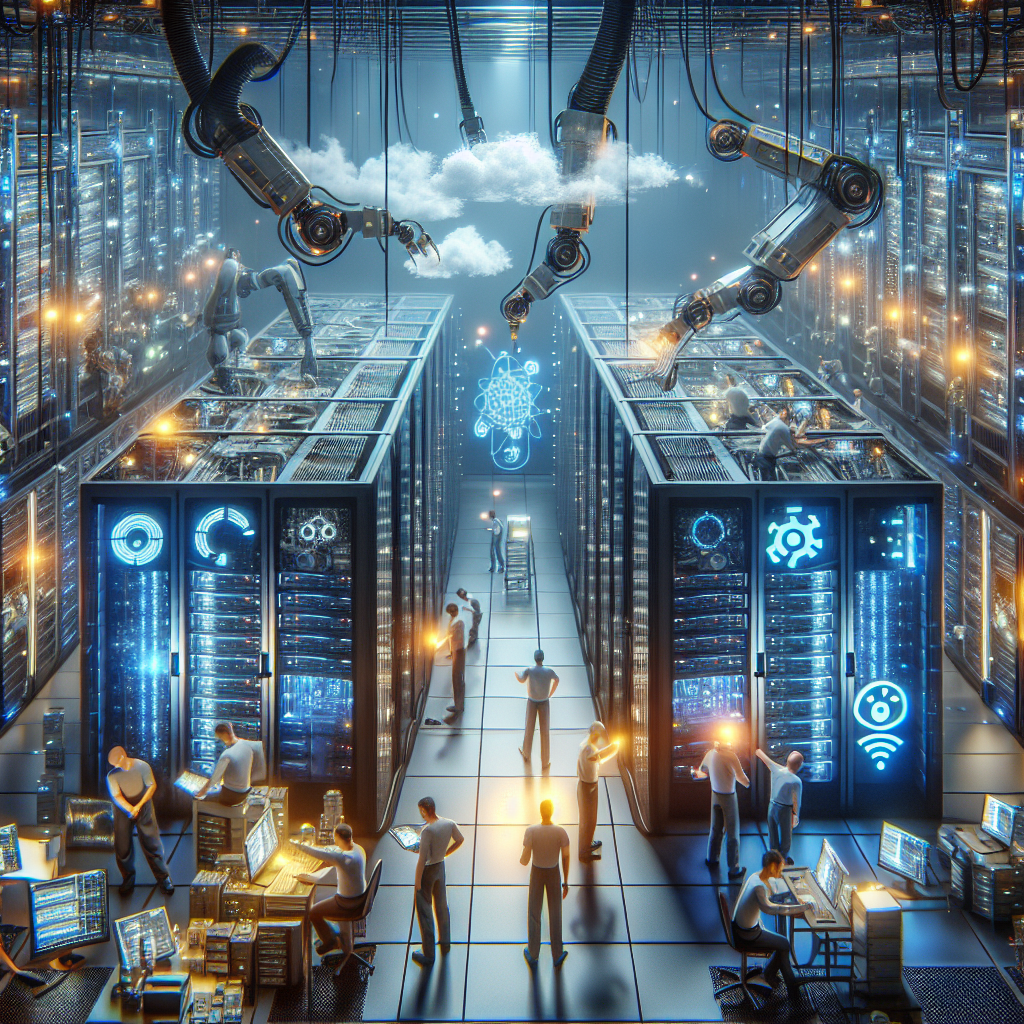
Unlocking 76 GW of Untapped Power: The Potential of Data Center Tweaks in the U.S.
In today’s digital age, data centers are the backbone of almost every industry, powering everything from streaming services to cloud computing. However, as demand for data processing surges, so does the stress on the power grid. Surprisingly, recent innovations and strategic updates—often referred to as "tweaks"—could unleash a staggering 76 gigawatts (GW) of new power capacity in the United States. These adjustments not only promise to revolutionize energy efficiency but also reduce costs and enhance sustainability.
The Growing Demand for Data Centers
The modern world is fueled by data—endless bytes of information stored, processed, and transmitted globally every second. This hunger for data is driven by:
- The rise of cloud computing and Software as a Service (SaaS)
- Increased demand for streaming services
- The proliferation of Internet of Things (IoT) devices
- Expansion of artificial intelligence and machine learning algorithms
As these technologies become integral to our daily lives, the demand for data center capacity—and consequently, energy—grows exponentially.
Understanding the Current Power Consumption
How Much Energy Do Data Centers Use?
In the U.S., data centers are responsible for consuming about 2% of the national electricity supply. This includes:
- Cooling systems for temperature regulation
- Intensive computational needs for high-performance computing
- Powering backup systems to ensure reliability
While 2% might sound modest, the absolute consumption is immense, and projected increases suggest that data centers could eventually consume as much as 8% of the global electricity supply.
The Environmental Impact
The energy used by data centers often comes from fossil fuels, contributing to:
- Greenhouse gas emissions
- Environmental degradation
- Increased carbon footprints of companies
With sustainability becoming a critical focal point for businesses and consumers alike, reducing energy usage mitigates environmental impacts and supports broader climate change goals.
How Simple Tweaks Can Make a Difference
Leveraging Energy-Efficient Technologies
Implementations of state-of-the-art energy-efficient technologies have revolutionized data center operations, including:
- Advanced air-flow management: Changing airflow patterns to optimize cooling.
- Liquid cooling: This method is significantly more efficient than traditional air cooling.
- Renewable energy use: Transitioning to solar or wind power for a clean energy supply.
- Efficient hardware: Upgrading to modern hardware that uses power more effectively.
Software Optimizations
Shifting gears from hardware to software, innovative software solutions play a key role in optimizing power usage:
- Virtualization: This technique allows multiple virtual machines to run on a single physical machine, reducing the overall number of servers needed.
- Adaptive algorithms: Algorithms that dynamically adjust energy distribution based on real-time data.
- Predictive analytics: Using analytics to improve forecasting and reduce energy wastage.
Operational Adjustments
Even simple changes in operational procedures could lead to significant energy reductions:
- Scheduled maintenance: Regularly insulating and maintaining equipment can avoid energy drops.
- Load balancing: Spreading workflow across multiple servers to avoid overloading and under-utilization.
- Heat recycling systems: Harnessing and repurposing waste heat produced by the facility.
The Economic Benefits of Data Center Tweaks
Cost Savings
Implementing these tweaks can lead to substantial cost savings. For companies:
- Reduced electricity bills
- Lower operational costs due to decreased demand for power-heavy cooling equipment
- Prolonged equipment lifespan through efficient management
Strategic Investments
By strategically investing in data center tweaks, businesses can unlock value by:
- Enhancing the capability of data centers without the need for new constructions
- Gaining a competitive edge with optimized operations
- Building a reputation as environmentally responsible companies, thereby attracting customers and investors with sustainability interests
Creating Jobs
As companies upgrade their data centers, there is a growing demand for skilled professionals who understand these technologies, leading to job creation in the sector.
Overcoming Challenges
While these tweaks represent a potential boon, challenges remain in their widespread adoption, including:
- High Initial Investment Costs: Switching to more energy-efficient hardware and innovative solutions can be costly upfront.
- Regulatory Barriers: Different regions have varying regulations that might impede the adoption of certain technologies.
- Skill Gaps: A lack of skilled professionals proficient in cutting-edge technologies and practices.
A Step Forward: Policy Interventions
Encouraging updates can be bolstered by policy interventions such as:
- Offering tax incentives or subsidies for adopting green technologies
- Enhancing research and development funding for breakthrough innovations
- Stimulating industry collaborations and knowledge sharing among stakeholders
Conclusion: The Path Ahead
The potential for data center tweaks to unlock 76 GW of new power capacity in the U.S. is not just theoretical—it’s actionable through the sustained efforts of technology developers, data center operators, policy makers, and companies at large. By embracing a combination of innovative technologies, strategic operational adjustments, and smart policy frameworks, not only can the data industry enhance its efficiency, but it can also pave the way toward a more sustainable and energy-efficient future.
With these benefits at our fingertips, it’s time for businesses to lead the charge to maximize their outputs, reduce costs, and contribute to global environmental efforts through informed updates to their data center operations. The potential is vast and the opportunities—endless.