
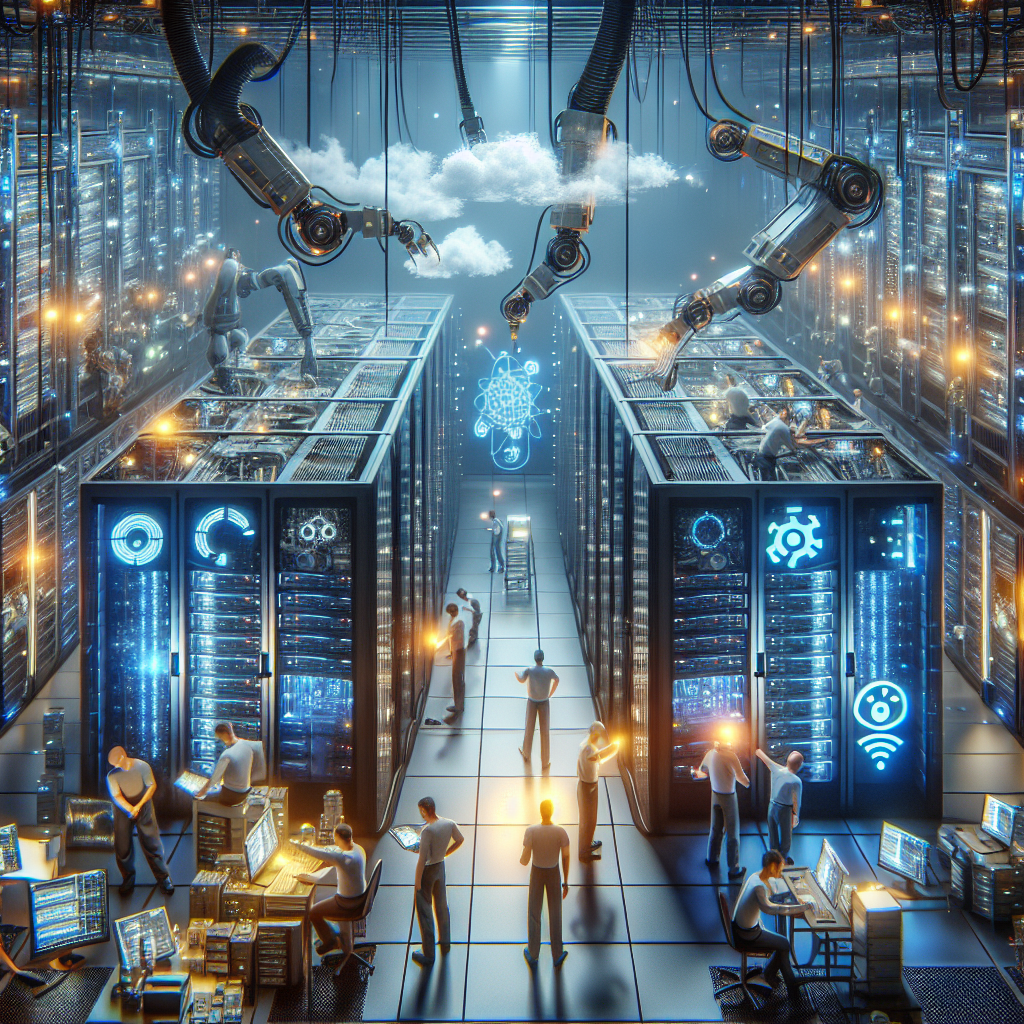
Unlocking Hidden Potential: How Data Center Tweaks Could Release 76 GW of New Power Capacity in the U.S.
In a digital world bustling with data transmission at lightning speed, data centers have become the backbone of our online experiences. However, as the demand for data storage and processing continues to surge, the energy consumption of these data centers has escalated dramatically. But what if slight alterations and improvements in our data centers could unlock 76 gigawatts (GW) of new power capacity in the U.S.? Let’s dive in to explore how this transformation can be achieved and the impact it could have on both energy consumption and costs.
Innovations in Data Center Efficiency
Data centers house thousands of servers working around the clock, which inherently leads to high energy usage. However, there are innovative strategies that can drastically improve their efficiency:
1. Embrace Green Cooling Systems
Data centers generate a lot of heat, necessitating expanse cooling systems, which are traditionally energy-intensive. Switching to eco-friendly cooling solutions can make a significant difference:
- Liquid Cooling: An alternative to traditional air cooling, liquid cooling uses a liquid medium (usually water) to remove heat, which is much more efficient.
- Outside Air Cooling: Also known as air-side economization, this method involves using the outside air to cool data centers, significantly decreasing energy use.
- Renewable Energy Integration: Using solar or wind energy to power cooling systems can minimize dependency on conventional electricity.
2. Optimize Server Utilization
Not all servers in a data center are fully utilized, leading to unnecessary power consumption. Optimizing utilization can conserve significant amounts of energy:
- Virtualization: Combines multiple virtual servers onto fewer physical machines, enhancing resource use without sacrificing performance.
- Workload Automation: Aligns workloads with times of the day when energy is cheaper and adjusts operations dynamically to reduce energy usage.
The Role of Advanced Software Solutions
Implementing powerful software solutions can fine-tune operations and unlock new levels of efficiency:
1. AI-Driven Management Systems
Artificial Intelligence offers potent ways to enhance data center efficiency:
- Predictive Cooling: AI systems predict and preemptively adjust cooling needs based on the server load and environmental conditions.
- Energy Consumption Forecasting: AI can pinpoint inefficiencies and predict future energy usage trends, helping data centers proactively manage power consumption.
2. Energy Management Software (EMS)
These systems offer real-time insight into energy usage and help in reducing wastage:
- Monitoring and Reporting: Provides details on energy consumption across different functions and devices.
- Energy Benchmarking: Sets benchmarks to identify problem areas and ensures data centers meet energy efficiency standards.
Impact of Data Center Tweaks on Power Capacity
Implementing the above strategies offers numerous benefits, including:
1. Significant Energy Savings
Efficiency tweaks could unlock 76 GW of new power capacity. This surplus capability equates to powering tens of millions of American homes.
2. Cost Reductions
With energy accounting for up to 40% of a data center’s operating costs, increased efficiency provides substantial cost savings. These savings can be invested back into technology, infrastructure, or employee resources.
3. Environmental Benefits
Reduced energy consumption results in lower carbon emissions, contributing positively to combating climate change and fostering sustainable development goals.
Overcoming Challenges in Implementing Tweaks
While promising, enhancing data center efficiency isn’t without its hurdles:
1. Initial Investment Requirements
- Capital Costs: Upgrading infrastructure involves significant upfront costs and can be a barrier for many establishments. However, the long-term cost savings often outweigh the initial outlay.
2. Technological Complexities
- Implementation Difficulties: Applying new technologies could face resistance due to complexity or financial constraints. Comprehensive staff training and stakeholder engagement are crucial.
The Future of Data Center Innovations
The future of data center efficiency looks promising, driven by continuous innovation:
1. Towards Sustainable Data Centers
- Modular Data Centers: Providing modular builds factor in scalability and efficient energy use, making future expansions seamless and environmentally conscious.
- Edge Computing: By decentralizing data processing closer to the source, reliance on large centralized data centers decreases.
2. Policy and Regulatory Support
Government incentives for sustainable practices can encourage wider industry adoption and facilitate more rapid implementation of efficient technologies.
Conclusion
Unlocking 76 GW of new power capacity through strategic data center enhancements isn’t just about energy savings; it’s about pioneering a sustainable future for the digital infrastructure. Transformative tweaks in cooling systems, server utilization, and integrating cutting-edge software hold the potential to revolutionize energy management. While challenges exist in the form of initial investment and technological complexities, the opportunities to power a greener and more efficient future are immense.
Whether you are an industry stakeholder, tech enthusiast, or someone looking to understand the broader implications of energy efficiency, it’s clear that optimizing data centers is a pathway towards sustainable progress and power capacity expansion. By embracing these innovations, the U.S. could significantly bolster its energy capabilities, mitigating environmental impact while paving the way for technological advancement.
As data continues to dominate our lives, so does our responsibility to ensure that this digital revolution is sustainable and efficient for generations to come.