
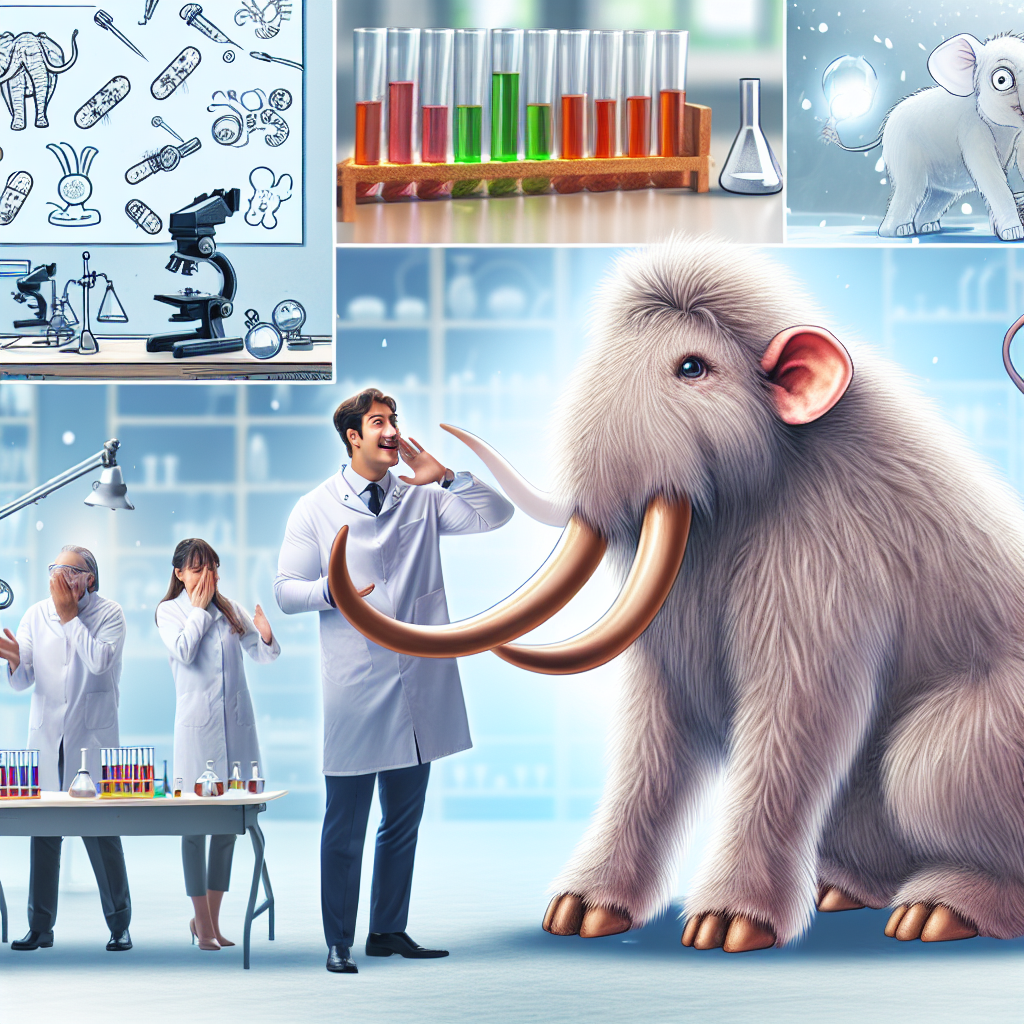
Journey into the Ice Age: How Colossal Biosciences is Bringing Back the Woolly Mammoth with a Woolly Mouse
Imagine a world where the iconic woolly mammoth, the colossal creature from the Ice Age, roams the Earth once more. Thanks to the groundbreaking ventures of Colossal Biosciences, this fantastical dream might soon become reality. In an astonishing leap forward, the company has embarked on a colossal mission to revive the woolly mammoth, starting with the creation of a woolly mouse. This daring project’s implications extend beyond the scientific community, sparking curiosity and stirring excitement around the globe.
The Colossal Vision
Colossal Biosciences, spearheaded by visionary entrepreneurs and scientists, is a biotechnology and genetic engineering company with a bold agenda: to de-extinct species that once roamed our planet freely. The woolly mammoth is their flagship project. Their ambitious plan involves using cutting-edge genetic engineering techniques to resurrect this majestic beast, which disappeared more than 4,000 years ago.
The Bigger Picture
The project transcends the mere novelty of resurrecting an extinct species. It aims to utilize genetic engineering to enhance biodiversity and combat the adverse effects of climate change. The woolly mammoth’s reintroduction could help restore ecosystems by maintaining grazing patterns, which in turn could reduce greenhouse gas emissions and support other species.
Why it Matters:
- Biodiversity: Revitalizing ecosystems by reintroducing herbivores that maintain plant life balance.
- Climate Change Mitigation: Shifts in herbivore presence can affect permafrost melting and carbon storage.
- Scientific Breakthrough: Pushing the boundaries of genetic technology to new horizons.
The Science Behind the Woolly Mouse
The first tangible step in this grand quest was a smaller yet significant milestone: the creation of a woolly mouse. This feat provides critical insights and tools necessary for further advances in woolly mammoth de-extinction.
Genetic Engineering: The Core Technique
Central to the process is CRISPR-Cas9, a revolutionary gene-editing technology that allows scientists to make precise changes to the DNA of living organisms. Understanding its application is crucial:
- DNA Sequencing: Extracting DNA from the remains of woolly mammoths and sequencing it.
- Gene Editing: Identifying genes responsible for cold adaptation and woolly mammoth traits, then editing these genes into the DNA of Asian elephants, the closest living relatives.
- Cell Line Development: Creating viable embryos for gestation using surrogate mothers.
The Role of the Woolly Mouse
The woolly mouse serves both as a proof of concept and a stepping stone to larger, more complex organisms like the woolly mammoth:
- Feasibility Studies: Proving the editing, implantation, and development processes are viable.
- Trait Verification: Ensuring traits like dense fur and fat layers are expressed as intended.
- Risk Mitigation: Allowing comprehensive troubleshooting before attempting larger mammalian subjects.
Ethical and Ecological Considerations
Bringing back the woolly mammoth isn’t just a scientific challenge; it involves navigating complex ethical and ecological terrain.
Ethical Implications
While the prospect of de-extinction is thrilling, it raises significant moral questions:
- Animal Welfare: Address concerns regarding the well-being of genetically modified and surrogate animals.
- Habitat Availability: Ensuring viable habitats for reintroduced populations.
- Human Responsibility: Acknowledging the role of humans in past extinctions and current conservation efforts.
Ecological Impact
Understanding the ecological implications is vital for the responsible reintroduction of the woolly mammoth:
- Ecosystem Balance: Evaluating the potential impacts on existing flora and fauna.
- Climate Influence: Monitoring changes in permafrost layers and resultant climate effects.
- Preservation Strategies: Developing protocols to ensure ecological harmony and stability.
The Road Ahead: Challenges and Hopes
Colossal Biosciences’ endeavor is fraught with technical and ecological challenges, yet it also teems with potential:
Technical Challenges
The road to de-extinction is laden with complex technical hurdles:
- Genome Completeness: Overcoming gaps in ancient DNA sequences.
- Viability of Hybrids: Ensuring hybrid species can survive and thrive in harsh climates.
- Surrogate Gestation: Navigating the physiological challenges of interspecies gestation.
Hopes for the Future
Despite these challenges, the potential rewards are immense:
- Scientific Legacy: Establishing a new frontier in biotechnology and conservation.
- Climate Partnership: Creating allies in the fight against climate change by restoring prehistoric ecosystems.
- Revitalization of Lost Worlds: Offering a glimpse into past ecosystems, enhancing our understanding of Earth’s history.
Conclusion: A New Dawn in Conservation
Colossal Biosciences’ quest to resurrect the woolly mammoth may sound like a plot from a science fiction novel, but it is unfolding in real-time, driven by a blend of cutting-edge science and deep passion for the natural world. As they traverse the uncharted territories of genetic engineering, they are not only working to bring back a lost species but also to instigate a paradigm shift in conservation efforts worldwide. The advent of the woolly mouse marks just the beginning—a beacon of hope illuminating the path toward a future where humans can right past wrongs and foster a thriving, biodiverse planet.
This grand venture invites us all to ponder a thought-provoking question: What else is possible when human ingenuity and nature’s resilience unite?