
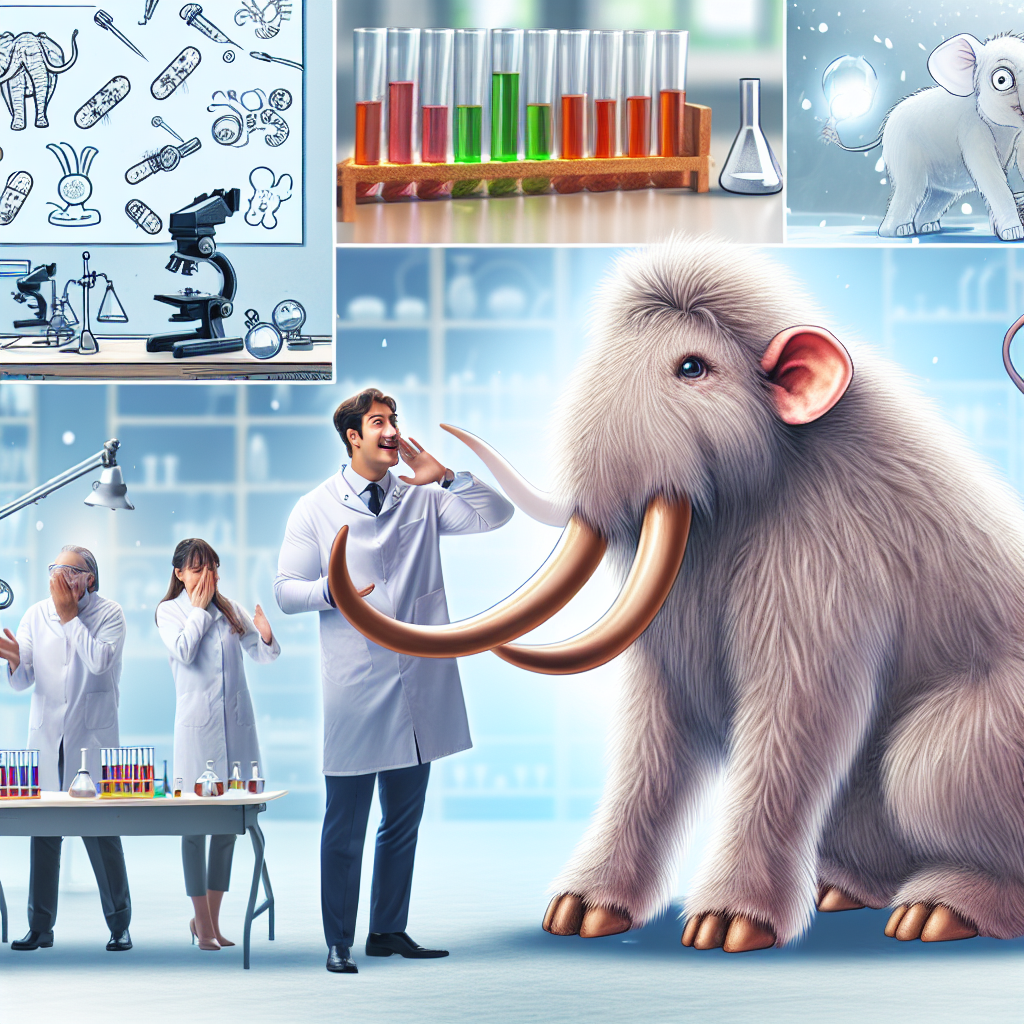
Unleashing the Past: Colossal Biosciences’ Quest to Revive the Woolly Mammoth and Its First Milestone – The Woolly Mouse
In an ambitious narrative that marries modern technology with ancient history, Colossal Biosciences is dazzling the world with its extraordinary venture — the revival of the woolly mammoth. This American biotechnology company is breaking scientific barriers and reshaping our understanding of genetics, evolution, and de-extinction. Their journey has recently reached an astounding milestone: the creation of a woolly mouse, a promising precursor to their ultimate goal. Let’s delve into this remarkable journey of bringing back the woolly mammoth and explore the fascinating science behind the woolly mouse.
The Ambitious Vision Behind Woolly Mammoth Revival
Founded with the futuristic vision of deploying advanced genetic technologies to tackle ecological challenges, Colossal Biosciences stands at the forefront of genomic innovation. Their mission of "de-extinction" is not merely an exercise in science fiction but rather a potential solution to mitigate the effects of climate change and preserve biodiversity.
Why Revive the Woolly Mammoth?
The woolly mammoth’s resurrection is more than just reviving an awe-inspiring creature from the past:
- Ecological Restoration: Reintroducing woolly mammoths could potentially restore the "mammoth steppe," an ecosystem that existed during the last Ice Age. This steppe could stabilize temperatures and preserve habitat diversity.
- Combat Climate Change: Woolly mammoths once played a crucial role in carbon sequestration. Their foraging behavior helped maintain grasslands, which are natural carbon sinks.
- Genetic Advancements: The project offers advancements in genetic engineering, cloning, and related fields, which can have wide applications from medicine to conservation.
The Science of De-extinction: A Journey Through Genetics
Harnessing the power of genetics, Colossal Biosciences embarks on a profound scientific journey to reawaken the bygone woolly mammoth. This process involves genome editing, cloning, and synthetic biology.
Getting to the Woolly Mouse: A Step in De-extinction
The birth of the woolly mouse is a strategic milestone in understanding and progressing toward a woolly mammoth’s revival. But how was this achieved?
-
Genome Sequencing: The first step involved sequencing the woolly mammoth’s DNA. Thanks to preserved hair, skin, and bones found in permafrost, scientists have been able to piece together most of the mammoth’s genetic blueprint.
-
CRISPR-Cas9 Technology: Renowned for its precision in editing genes, CRISPR-Cas9 is employed to insert woolly mammoth genes into the genome of an Asian elephant (the closest living relative).
- Creating the Woolly Mouse: The woolly mouse acts as a genetic testing ground. By introducing mammoth-specific genes into the mouse, scientists could observe and study which traits are expressed. This ensures that the genes can function correctly before they are later transferred into elephant hosts.
The Role of the Woolly Mouse in Genetic Research
The woolly mouse is not just a cute furry animal but a living testbed for understanding more about the woolly mammoth’s genetics and the feasibility of de-extinction:
-
Testing Gene Functionality: By integrating woolly mammoth genes, scientists can observe which genes are viable and responsible for distinct traits, such as cold resistance or long fur.
- Understanding Genetic Interactions: The woolly mouse project helps scientists study complex genetic interactions and epigenetics that could affect gene expression.
Ethical Considerations and Technological Challenges
The Ethical Debate Surrounding De-extinction
While the scientific community is abuzz with excitement, ethical considerations form a significant part of the discussion:
-
Biodiversity and Conservation Priorities: Should resources be devoted to de-extinct species when there are numerous endangered species in need of protection?
- Animal Welfare Concerns: The welfare of surrogate species, like the Asian elephant, is crucial. Ensuring humane treatment and addressing potential health risks are ethical imperatives.
Technological Hurdles in the Journey
Despite the progress, several challenges need addressing:
-
Genetic Complexity: Transferring multiple genes and ensuring their proper expression present incredible complexity.
- Ecological Impact: Understanding how a new mammoth population would interact with contemporary ecosystems is critical to avoid unintended disruptions.
Looking Ahead: Future Prospects of Woolly Mammoth Revival
Colossal Biosciences’ quest holds the promise of revolutionary advancements in conservation with profound global implications. Here’s what the future might hold:
-
New Conservation Strategies: A successful de-extinction could redefine conservation methods and priorities, including potential strategies to clone other extinct species.
-
Technological Innovations: Breakthroughs in genetic technologies derived from this project could significantly benefit areas such as disease treatment and agricultural bioengineering.
- Public Engagement and Education: As science intersects more deeply with society, engaging with the public through informative documentaries, educational programs, and outreach initiatives will become vital.
The journey to revive the woolly mammoth by Colossal Biosciences is not just an enchanting tale of science; it is a testament to human ingenuity and the power of innovation. The creation of the woolly mouse signifies a giant leap forward, bringing us one step closer to a future where extinct species might roam the Earth once more. Whether this endeavor will succeed remains a mystery for now, yet it certainly paves the path for further exploration of our planet’s rich and untapped genetic heritage. As this captivating narrative unfolds, it’s a gentle reminder of our capabilities and responsibilities as stewards of this world.