
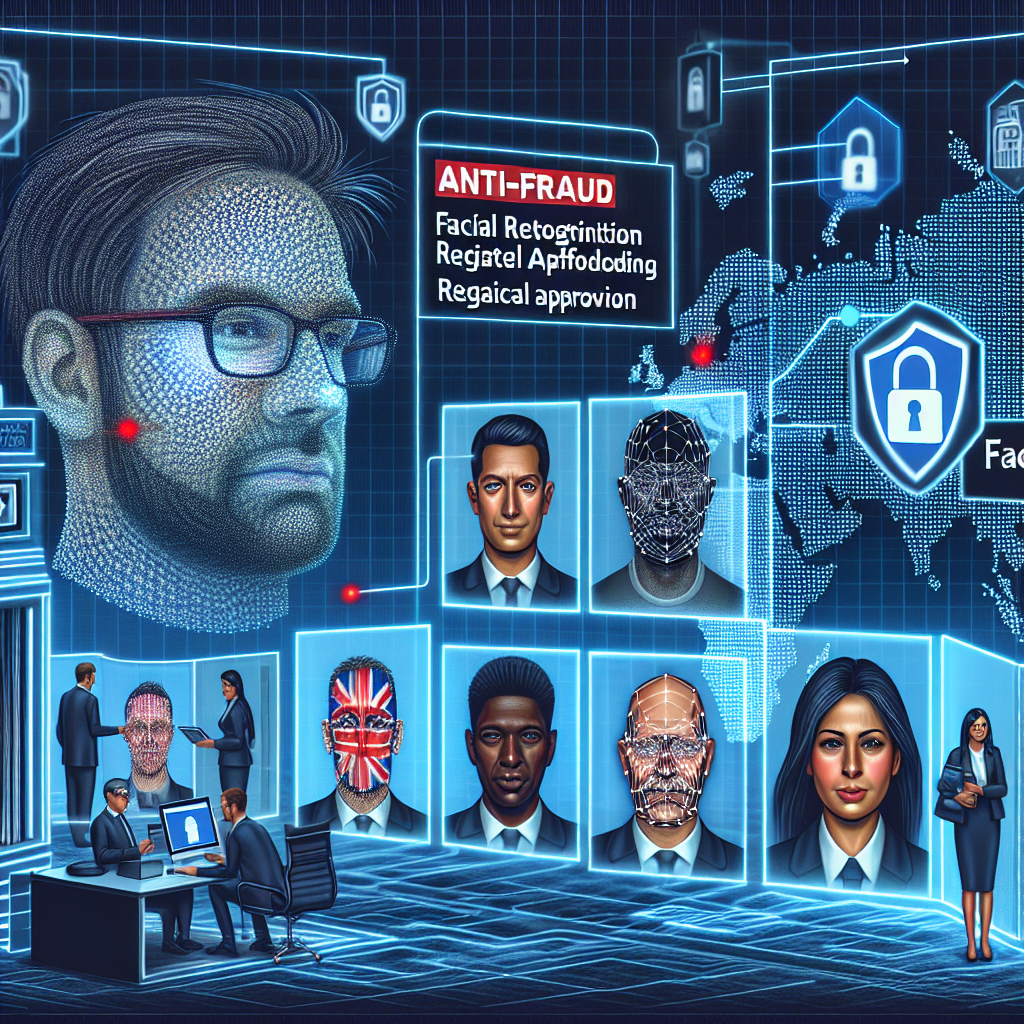
Meta’s Groundbreaking Anti-Fraud Facial Recognition Test: Now in the UK!
In an age where technology intersects with our daily lives at an ever-accelerating pace, issues like online security and data privacy have taken center stage. Meta, the giant tech conglomerate formerly known as Facebook, is making waves yet again, this time with its innovative anti-fraud facial recognition test. After obtaining a green light from regulators, Meta’s cutting-edge technology is now making its way to the UK. This move has stirred up equal measures of enthusiasm and concern. But what exactly does this mean for the average user, and what implications does it have for security, privacy, and regulatory landscapes?
In this article, we’ll explore Meta’s facial recognition technology in depth, understanding its purpose, analyzing its reception, and discussing its broader implications. Whether you are a tech enthusiast, a privacy advocate, or someone simply curious about the future of online security, buckle up, as we’re about to dive deep into the world of facial recognition technology.
What Exactly is Meta’s Anti-Fraud Facial Recognition Test?
Facial recognition technology is not entirely new. Yet, Meta’s anti-fraud facial recognition test represents a leap forward in the implementation of this advanced technology to enhance security and thwart fraudulent activities. Essentially, the system uses sophisticated algorithms to map and analyze facial features, uniquely identifying individuals. Meta’s particular interest lies in using this tech to combat online fraud, ensuring safer online transactions and communications.
How It Works
- Capturing the Facial Image: The technology captures an image of an individual’s face using a device’s camera.
- Mapping Facial Features: The system uses AI to map unique facial features, creating a facial database from these identifiers.
- Comparing and Contrasting: When a user needs to verify their identity, the system compares their current image with the stored one to confirm authenticity.
- Real-time Processing: Thanks to powerful computational abilities, this process happens almost instantaneously, offering seamless user experiences.
Key Benefits
- Enhanced Security: Protects users against identity theft, phishing, and other forms of online fraud.
- User Convenience: Removes the necessity for cumbersome passwords or multi-step verification processes.
- Smart Integration: Can be easily integrated into existing systems, allowing for smooth transitions in security protocols.
Why the UK?
The UK has always been a pivotal player in technological advancements. Securing approval from its regulators was critical for Meta before launching its facial recognition system in such a significant market. But why the UK?
A Tech-Forward Environment
- Rich Digital Infrastructure: The UK boasts an advanced digital landscape conducive to deploying cutting-edge technologies like facial recognition.
- Regulatory Efficiency: Agile regulatory frameworks allow for quicker, more effective deployments and adaptations.
- Data Privacy Legislation: The UK has stringent data privacy laws, ensuring that deployment meets global standards.
Positive Regulatory Reception
The technology was evaluated meticulously, and Meta has been granted the go-ahead to introduce its system based on:
- Compliance with local data protection laws
- Transparent operational protocols
- User consent protocols and user education initiatives
Implications for Data Privacy
No discussion about facial recognition technology is complete without addressing data privacy concerns. Meta’s technology, like any other impostor, has its fair share of skeptics and critics. The key concerns revolve around how data is collected, stored, and used.
Data Collection and Usage
- Informed Consent: Users must be informed and provide consent before their data is gathered, adhering to privacy policies and guidelines.
- Data Storage: Data is stored securely, often in encrypted forms, reducing unauthorized data access risks.
- Restricted Access: Only authorized personnel have access to personal data, ensuring security within the organization’s architecture.
Mitigating Concerns
- Transparency Reports: Meta can publish regular transparency reports on data handling and usage.
- Independent Audits: Conducting regular audits by independent bodies to maintain checks and balances.
- User Controls: Users should have complete control over their data, with options to opt out or delete their information at any time.
What It Means for the Future
Meta’s move to bring its facial recognition technology to the UK signifies a profound shift in how tech companies can implement facial recognition internationally. More importantly, it sets a precedent for how regulators can effectively oversee such technology.
Spurring Technological Advancements
- Increased investment in anti-fraud technologies will encourage other tech firms to forge more innovative solutions.
- Boosts consumer trust, reassuring users about online security protocols.
Global Rollouts
Meta’s successful UK entry opens doors to global rollouts, potentially reaching other regions by demonstrating compliance and regulatory success.
In conclusion, Meta’s facial recognition technology stands at the intersection of innovation and privacy, testing the bounds of both while seeking to minimize online fraud. Its introduction in the UK marks a significant milestone in facial recognition technology, propelling us toward a more secure and digitally empowered future.
Join the conversation. Do you believe facial recognition is the future of online security, or are there better alternatives? Your thoughts could very well shape the digital frontier.
This robust examination of Meta’s facial recognition tech reveals both its breakthroughs and barriers, helping readers answer their most pressing questions. Stay tuned as we bring you the latest updates in technology, privacy laws, and everything in the expansive world of digital security.