
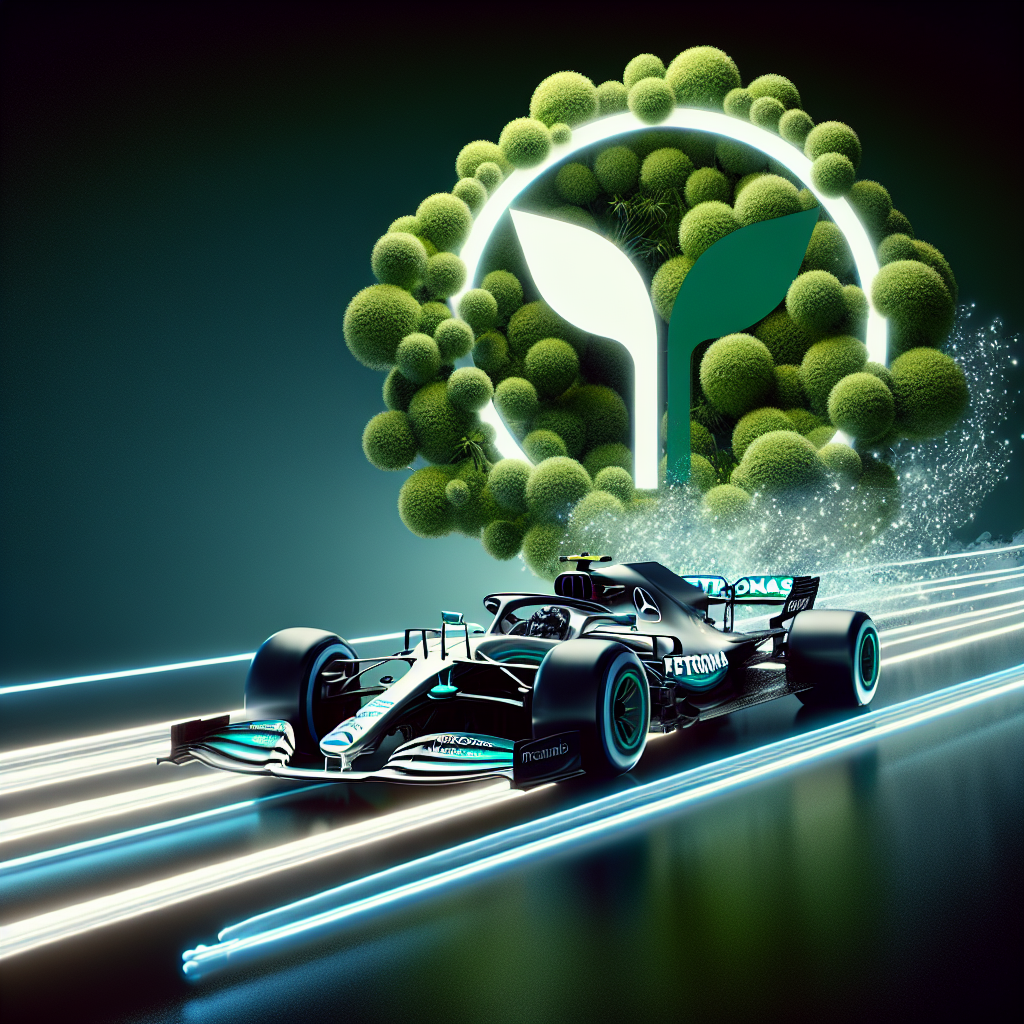
Mercedes-AMG Petronas F1 Team Drives Forward with Nature-Based Carbon Credits
The world of Formula 1 is not just a high-speed spectacle; it’s an arena of innovation and progressive thinking. In recent years, sustainability has taken center stage, with many teams going above and beyond to reduce their carbon footprint. At the forefront of this environmental shift is the Mercedes-AMG Petronas F1 Team, championing the use of nature-based carbon credits. But what drives this commitment, and how does it impact both the team and the planet?
Understanding the Move Towards Nature-Based Carbon Credits
The Need for Sustainable Practices in Formula 1
In the context of global sports, Formula 1 is a major consumer of resources, from fuel to materials used in constructing cars and infrastructure. Recognizing the environmental impact:
- Formula 1 aims to be net-zero carbon by 2030.
- Teams like Mercedes-AMG Petronas seek innovative solutions for carbon offsetting.
This commitment reflects a broader realization within global sports about their environmental responsibilities.
What Are Nature-Based Carbon Credits?
Nature-based carbon credits are investments into projects that mitigate greenhouse gases by focusing on:
- Reforestation: Planting trees to absorb CO2 from the atmosphere.
- Conservation: Protecting existing forests and biodiversity.
- Improved Land Use: Encouraging sustainable agriculture and land management practices.
By investing in these projects, companies can effectively offset their carbon emissions, contributing to ecological preservation and rehabilitation.
The Role of Mercedes-AMG Petronas F1 in Carbon Neutrality
Why Mercedes-AMG Petronas Chose Nature-Based Solutions
The Mercedes-AMG Petronas team has always been a leader on and off the track. Their choice to invest in nature-based carbon credits was guided by:
- Long-term Environmental Goals: Aligning with the larger mission of the Formula 1 governing body.
- Corporate Philosophy: Daimler AG, the parent company, is committed to sustainable mobility.
- Reputation Management: Sustainability is becoming central to brand value; fans and sponsors demand responsibility.
How These Credits Work
The process involves:
- Assessment of Carbon Footprint: Determining the total carbon emissions based on yearly activities.
- Selection of Projects: Choosing viable carbon credit initiatives that align with team values.
- Investment and Monitoring: Allocating funds and ensuring projects are successful and sustainable.
Examples of Projects Supported by the Team
Mercedes-AMG Petronas has invested in:
- Amazon Reforestation Projects: Restoring deforested areas to create healthier ecosystems.
- Mangrove Restoration: Protecting coastal areas prone to erosion and cyclones.
The Impact of Sustainability on Performance and Reputation
Balancing Sustainability with Competitive Performance
For the Mercedes-AMG Petronas F1 Team, integrating sustainability doesn’t detract from their pursuit of performance. In fact, it can be synergistic by:
- Innovating Materials: Using lightweight, recyclable materials for car components.
- Efficiency Technologies: Enhancing engine and fuel efficiency with cleaner, hybrid technologies.
Enhancing Brand Loyalty and Social Responsibility
Environmental responsibility translates into:
- Increased Fan Engagement: Eco-conscious fans appreciate and support the brand’s initiatives.
- Attracting Eco-Friendly Partnerships: Companies with similar values are more inclined to collaborate.
Challenges and Solutions in Adopting Carbon Credits
Possible Challenges
- Verification and Quality Assurance: Ensuring credits are genuine and impactful.
- Market Fluctuations: Prices of credits might vary, impacting budgets.
- Public Perception and Skepticism: Convincing stakeholders that carbon credits lead to tangible change.
Overcoming Obstacles
Mercedes-AMG Petronas addresses these issues by:
- Partnering with renowned environmental organizations for project management.
- Regularly publishing transparency reports.
- Engaging in fan education campaigns about the benefits and processes of carbon credits.
Future Prospects: White Flag or Green Light?
Looking Down the Track
The journey toward a sustainable future for Formula 1 is a marathon, not a sprint. As environmental dynamics evolve:
- Innovation and Research: Continued focus on developing new materials and technologies.
- Policy Development: Working with F1 authorities to establish robust policies encouraging more teams to adopt such environmentally-friendly practices.
Mercedes’s Vision for the Future in Racing and Sustainability
The team plans to:
- Scale up their investment in carbon-neutral initiatives.
- Influence the regulatory framework within F1 to standardize sustainability practices.
In conclusion, the Mercedes-AMG Petronas F1 Team is not just racing on the track but championing a race towards sustainability, providing a template for innovation that safeguards our planet. By investing in nature-based carbon credits, they’re steering F1 towards an era of greener and more responsible racing. It’s an approach that says: "The final victory is to leave a positive footprint."