
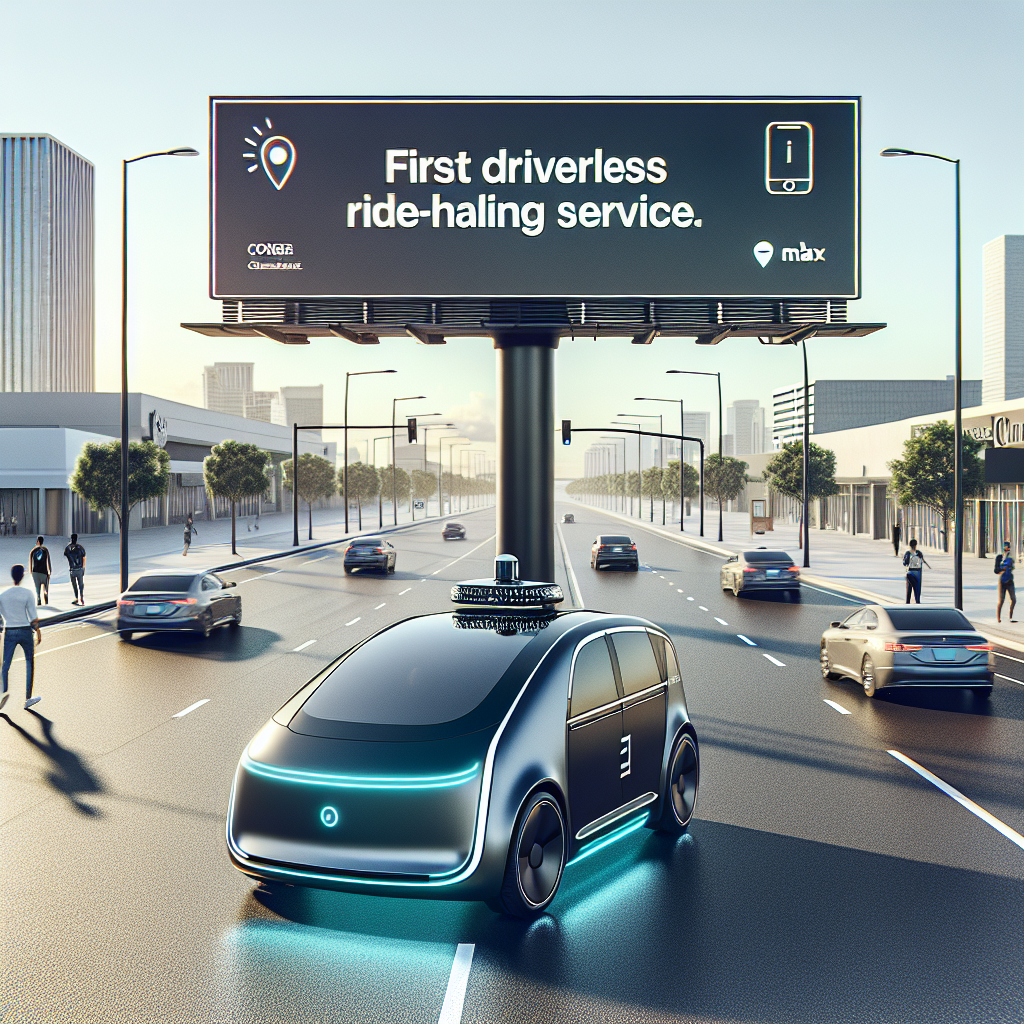
May Mobility Revolutionizes Transportation with Its First Driverless Commercial Ride-Hail Service
The future of transportation is here, and it’s rolling out in cities with a bold promise of safety, efficiency, and convenience. May Mobility, a frontrunner in autonomous vehicle technology, has taken a giant leap forward by launching its first-ever driverless commercial ride-hail service. This milestone not only marks a new chapter in the ride-hailing industry but also unveils innovative technological solutions aimed at transforming urban mobility.
In this comprehensive article, we delve into how May Mobility is revolutionizing the ride-hailing experience, from the cutting-edge technology behind its autonomous vehicles to the broader implications for city life and traffic congestion. Join us as we explore the potential impacts and what it means for the future of urban transport.
The Emergence of Autonomous Ride-Hail Services
A New Era in Urban Mobility
The launch of May Mobility’s driverless ride-hail service signals a radical shift in how people navigate cities. Autonomous vehicles (AVs) are being hailed as the future of transportation, with potential benefits such as:
- Reduced traffic congestion: Autonomous ride-hails might efficiently navigate and distribute traffic loads, easing dense urban traffic.
- Enhanced safety: Thanks to technology, AVs are designed to minimize human error, which accounts for the majority of accidents on the road.
- Economic impact: An expanding industry opens new job opportunities in technology development, operations, and vehicle maintenance.
These benefits are not speculative; they’re foundational elements that encourage companies and cities alike to explore these technological advancements.
Pioneering Companies in Autonomous Transportation
May Mobility isn’t alone in pursuing AV technology. Numerous companies are making significant strides in this sector:
- Waymo: Alphabet Inc.’s autonomous driving technology development company.
- Cruise: General Motors’ subsidiary focusing on creating fully driverless vehicles.
- Tesla: Pioneering self-driving software integrated into their electric vehicles.
May Mobility is differentiating itself with a strong focus on fleet-based services, which have unique operational efficiencies compared to other personal vehicle solutions. Their emphasis on shared rides aligns with contemporary trends towards sustainable urban living.
What Sets May Mobility Apart?
Innovative Tech Stack
May Mobility’s autonomous vehicles are equipped with state-of-the-art technology, combining data from multiple sensors to ensure seamless navigation. Here’s how the tech stack typically operates:
- Sensor Fusion: Inputs from LIDAR, cameras, radar, and ultrasonic sensors create a real-time, 360-degree view of the vehicle’s surroundings.
- AI-driven Decision Making: Algorithms process sensor data to make safe driving decisions in milliseconds.
- Connectivity: Vehicles remain connected to a central operating system that can provide updates and navigational guidance.
Key Features of the Driverless Service
May Mobility’s service introduces several notable features designed to optimize rider experience and safety:
- User-friendly app: Riders can easily book trips, track vehicle arrival in real time, and adjust journey details through a smartphone application.
- Accessibility: Vehicles are designed to accommodate passengers with disabilities, offering ergonomic space that caters to diverse client needs.
Market Expansion and Future Outlook
Where Are the Services Available?
Initially, May Mobility is launching the service in select cities, known for their forward-thinking infrastructure and readiness for autonomous tech. Early adopters are expected to provide valuable feedback to smooth out logistics and improve service reliability.
- City X – A city known for its tech innovation hubs.
- City Y – A region with existing smart city frameworks.
- City Z – A diverse urban area ideal for real-world testing scenarios.
Broader Implications for Urban Areas
Autonomous ride-hailing services bring numerous implications for urban areas:
- Reduction in personal vehicle ownership: People might choose affordable ride-hailing over vehicle ownership, leading to fewer cars on the road.
- Urban planning and infrastructure: Cities might have to adapt existing rules and road infrastructures to accommodate autonomous vehicles.
- Environmental benefits: Reduced idle times and optimized routes can potentially lower vehicle emissions.
Addressing Challenges and Concerns
Overcoming Technological Hurdles
Despite the overwhelming benefits, there are tech-related challenges that May Mobility must address:
- Complexity of Urban Traffic: Navigating real-time traffic scenarios poses challenges, especially during adverse weather conditions.
- Safety and Trust: Building user trust is essential, requiring meticulous safety protocols and transparent communication.
Regulatory and Public Perception
The acceptance of driverless cars also hinges on:
- Regulatory Support: Governments at all levels must arrive at a consensus on service legality and safety standards.
- Public Opinion: Successful adoption will require robust public awareness campaigns that educate on safety and benefits.
Conclusion: The Road Ahead
May Mobility’s groundbreaking launch is but a preliminary leap into a future where cities thrive on innovative transportation systems. As autonomous vehicles continue to evolve and mature, the promise of enhanced safety, sustainability, and efficiency becomes more real. Stakeholders including governments, businesses, and citizens will play integral roles in shaping this new urban landscape.
As societies navigate the exciting transitions ahead, keeping an eye on May Mobility, and others who follow, will offer insights into how technology can truly change the way we live, work, and move.
This enlightening journey through May Mobility’s world highlights how this initiative isn’t just about convenience but about paving the path for future advancements in safe and smart transportation. The open roads, much like the future, await autonomous exploration.