
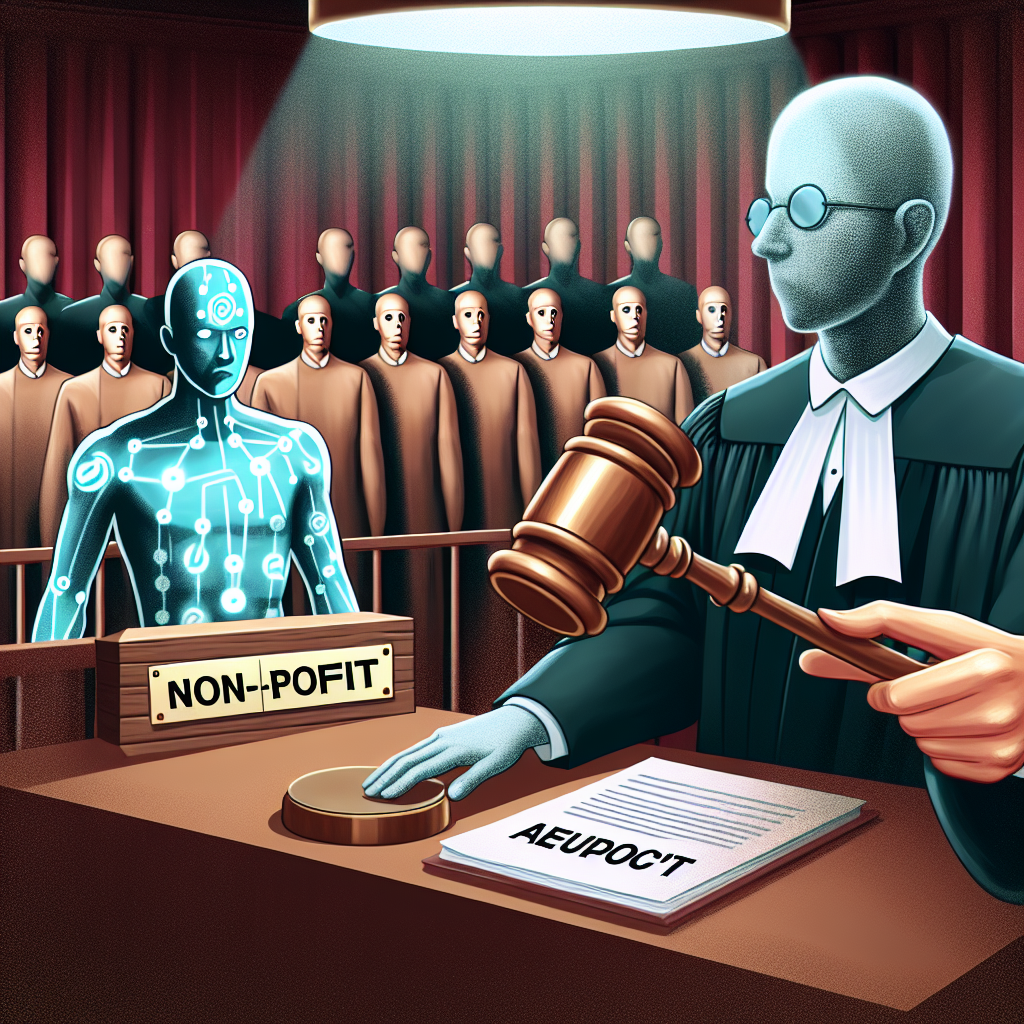
Judge Blocks Musk’s Bid Against OpenAI’s For-Profit Shift: Unpacking the Legal Saga
In a surprising turn of events, a judge recently rejected Elon Musk’s attempt to block OpenAI’s move towards becoming a for-profit entity. This case has captured the attention of tech enthusiasts, legal experts, and business analysts around the world, sparking conversations about the future of artificial intelligence and its ethical implications. As we delve deeper into this dramatic courtroom clash, we aim to uncover the intricacies of the lawsuit and its potential impact on stakeholders.
Understanding the Context: What Led to the Legal Dispute?
A Brief History of OpenAI
OpenAI was founded in December 2015 with the mission of ensuring that artificial general intelligence (AGI) benefits all of humanity. Originally established as a non-profit research organization, OpenAI focused on conducting research that was open and collaborative with the broader scientific community. Key figures such as Elon Musk, Sam Altman, and several other tech visionaries rallied around this mission, each providing substantial financial backing.
Why Did OpenAI Transition to a ‘Capped-Profit’ Model?
In 2019, OpenAI made headlines when it announced its transformation to a "capped-profit" model, leading to significant discourse about the motivation behind this shift. Key reasons cited include:
- Access to Capital: The AI industry is highly capital-intensive. Transitioning to a capped-profit model allowed OpenAI to secure over $1 billion in investment from Microsoft, enabling further research and infrastructure scaling.
- Competitive Landscape: With tech giants like Google and Amazon heavily investing in AI, OpenAI required a sustainable funding model to remain competitive and advance its research capabilities.
- Attracting Talent: Offering competitive salaries and benefits to attract and retain top-tier AI researchers was crucial, as the field became more lucrative and competitive. This model supported that aim without straying too far from the original mission.
Elon Musk’s Concerns
Elon Musk, once a major supporter of OpenAI, raised concerns about its transition to a for-profit model. Musk argued that this move conflicted with the organization’s initial ethos and could lead to prioritizing profit over ethics, something he has been vocally against in the AI industry. His attempts to legally challenge this transition highlight ongoing tensions between corporate interests and ethical considerations in AI development.
Legal Proceedings: A Deeper Dive
Key Points of the Legal Argument
Elon Musk’s legal team presented several arguments to the court:
- Ethics & Original Agreement: Musk asserted that OpenAI’s shift to a for-profit model breached the original understanding agreed upon during its formation.
- Intellectual Property & Competitive Concerns: With the new model, there was concern about how proprietary research might be handled, potentially impacting OpenAI’s collaborative nature.
- Impact on AGI Development: Musk emphasized the risks associated with prioritizing profits over ethical considerations in the development of AGI, which could potentially threaten societal well-being if not regulated prudently.
The Judge’s Decision
The judge ultimately decided against Musk’s attempt to block the transition, offering the following rationale:
- Legality of Corporate Transformation: The court held that transitioning to a capped-profit model didn’t breach any specific legal obligations tied to its founding documents.
- Balance of Interests: The court acknowledged the potential benefits of increased funding for AI research, while emphasizing that strict oversight would continue to be necessary.
Implications for OpenAI and the Tech Industry
For OpenAI
OpenAI’s ability to evolve into a capped-profit entity represents a pivotal moment for the organization. The injection of capital will allow:
- Advanced Research: Escalating research efforts could lead to groundbreaking AI technologies that propel the industry forward.
- New Partnerships: With increased funding, OpenAI can forge deeper partnerships with key technology companies and academic institutions.
- Regulatory Influence: As a leader in AI, OpenAI will now have a strong influence on AI regulations and the hunt for ethical AI governance structures.
Broader Impact on the Tech Industry
The decision sets a precedent for other non-profit tech organizations that may wish to explore new funding avenues. As AI continues to develop rapidly, the need for sustainable yet ethically sound funding models becomes even more critical.
Broader industry impacts include:
- Accelerated Investment in AI: Companies may feel encouraged to invest more in AI research and development, given the potential for substantial returns.
- Ethical Considerations: Organizations must evaluate ethical guidelines and frameworks to ensure responsible growth within the industry.
- Increased Attention on AI Policy: Policymakers may intensify their efforts to implement regulations that balance innovation with the protection of public interest.
The Road Ahead: What’s Next?
The Future of OpenAI
As OpenAI navigates its transition, stakeholders and observers alike will be closely watching for developments in:
- Ethical Policies: Ensuring that ethical considerations remain at the forefront of their strategy, even as the organization operates within a capped-profit framework.
- Impact of Collaboration: How effectively OpenAI can collaborate with competitors, academics, and regulators in pushing forward its AI mission.
- Research Outcomes: The tangible progress made in AI development, especially in advancing AGI and ensuring its positive impact on society.
Key Takeaways for Stakeholders
- Investors: Keep a close eye on developments in AI technology following OpenAI’s transition. The growth potential in this domain is expansive, tethered closely to ethical management and regulatory oversight.
- Researchers: As AI research funding expands, researchers should push for transparency and openness to ensure technology develops in a beneficial manner.
- Consumers & Policymakers: Stay informed about technology’s trajectory and its implications on society, playing an active role in discussing and shaping future regulations.
In conclusion, while the legal battle between Elon Musk and OpenAI has reached a resolution, the conversation around AI ethics, for-profit motives, and responsible innovation is far from over. As AI entities continue to evolve, striking a balance between rapid technological advancement and ethical accountability remains paramount. Stakeholders at all levels must remain vigilant and engaged in shaping the future of AI, calling for a world where technology serves humanity, not profits alone.