
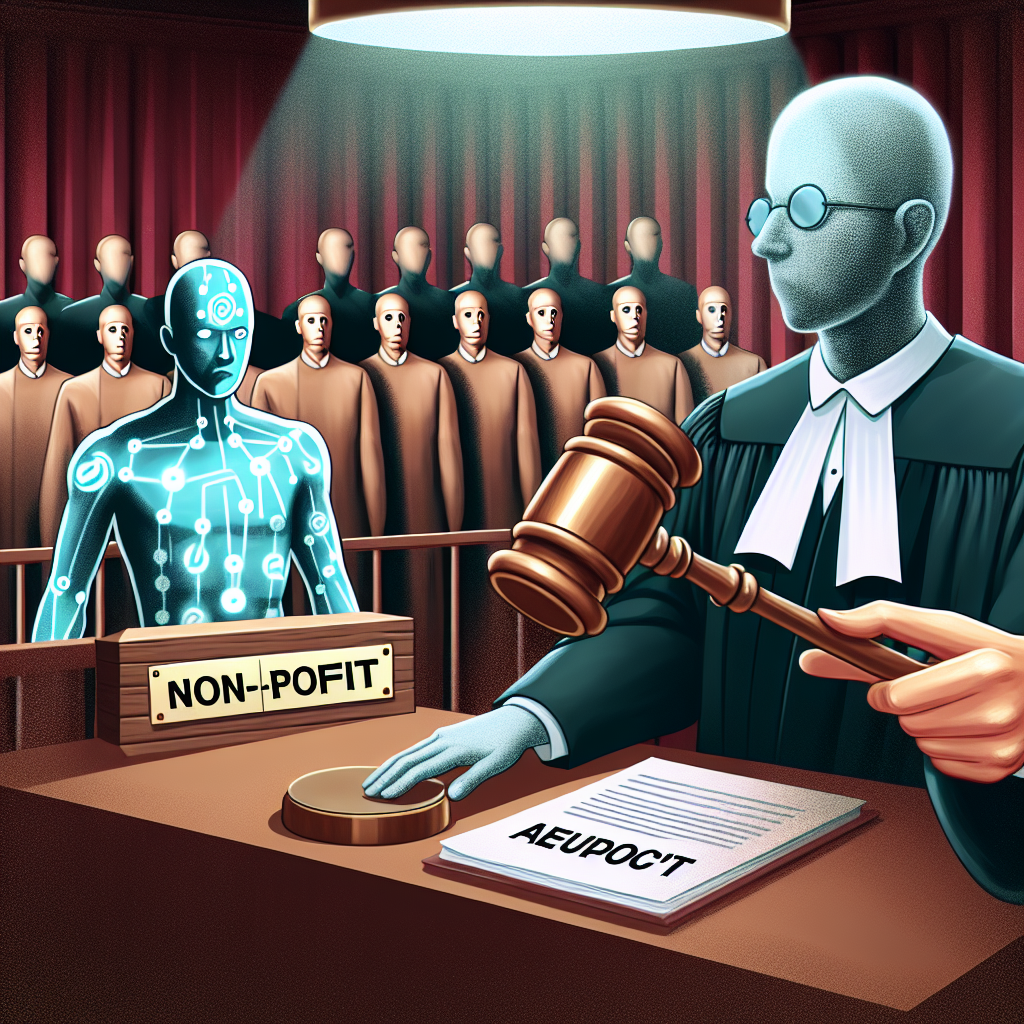
Judge Rejects Musk’s Attempt to Block OpenAI’s For-Profit Transition: What It Means for the Future of AI
In a world where every strategic corporate move makes waves, the recent decision by a judge to reject Elon Musk’s attempt to halt OpenAI’s for-profit transition has stirred the tech community. As the narrative around artificial intelligence (AI) continues to evolve, understanding the implications of this legal outcome is crucial for industry enthusiasts, stakeholders, and everyday users invested in the future of technology.
Understanding the Conflict: OpenAI’s Mission and Musk’s Concerns
To appreciate the gravity of the legal battle, one must first understand the core mission of OpenAI and the concerns raised by Elon Musk.
OpenAI: A Brief Overview
-
Founding Vision: Initially established as a non-profit organization, OpenAI was driven by the mission to ensure that artificial general intelligence (AGI) benefits all of humanity.
- Not-for-Profit to For-Profit: In 2019, OpenAI transitioned to a "capped-profit" model, known as OpenAI LP, allowing it to attract funding while sticking to its foundational principles.
Elon Musk’s Stance
-
Initial Support: As a co-founder, Elon Musk was pivotal in shaping OpenAI’s initial trajectory.
- Voicing Concerns: Musk’s primary concern centers around the potential of AGI falling into the wrong hands or being used unethically if profit becomes a primary motivator.
The Legal Battle: Why Elon Musk’s Attempt Was Rejected
The courtroom decision that favored OpenAI’s transition seems to be based on several key factors, which we examine below:
Alignment with Foundational Values
-
Capped-Return Model: The model allows OpenAI to ensure investors receive a limited return while directing excess funds back toward humanitarian goals.
- Operational Transparency: OpenAI committed to maintaining transparency in its operations, which likely allayed concerns regarding misuse of AGI.
Judgement Based on Legal Precedents
-
Legal Framework: The judge’s decision likely leaned on existing legal frameworks regarding corporate transitions and their alignment with original bylaws.
- Musk’s Standing: The court might have determined that Musk’s role and influence within OpenAI at the time of filing did not provide sufficient grounds to challenge its transition.
Implications for the AI Industry
Understanding how this ruling affects the broader AI arena is essential for stakeholders and tech enthusiasts alike.
Encouragement for Innovation
-
Funding Opportunities: OpenAI’s transition offers a pathway to garner more significant investments, which can fuel groundbreaking research and product development.
- Competitive Landscape: This move could encourage other AI entities to explore hybrid models, balancing profits with ethical considerations.
Ethical Considerations in AI Development
-
Enhanced Scrutiny: This case might prompt developers to underscore ethical codes and measures as paramount during their pitches to stakeholders.
- Community Trust: By maintaining a commitment to transparency, organizations like OpenAI can reinforce public trust, which is pivotal for AI adoption.
Challenges and Risks
-
Profit Over Ethics: The risk remains that profit motives could overshadow ethical guidelines, potentially compromising the initial mission.
- Regulatory Oversight: This transition could prompt increased scrutiny and demands for regulation in the AI sector from governmental agencies globally.
The Road Ahead: What’s Next for OpenAI and Musk?
Finally, exploring the trajectory for OpenAI and Elon Musk offers a glimpse into future developments in AI.
OpenAI’s Strategy
-
Growth Plans: With more resources, OpenAI is poised to roll out more advanced AI tools, enhancing productivity and creativity across industries.
- Global Collaborations: Such financial leverage could also lead to collaborations, integrating OpenAI’s advancements globally.
Elon Musk’s Future Moves
-
New Initiatives: Known for his strategic initiatives, Musk might direct efforts towards founding or investing in other AI-driven projects or tech firms to rival OpenAI.
- AI Advocacy: Musk’s concern about responsible AI use might lead him to spearhead or support initiatives fostering ethical AI standards.
Conclusion
The development surrounding OpenAI’s for-profit transition is a reflection of the broader challenges and opportunities facing the AI industry today. The decision to reject Musk’s attempt encapsulates a pivotal moment in this narrative, emphasizing a balance between financial viability and ethical responsibility.
As OpenAI progresses with its vision amid potential hurdles, the journey it undertakes will undeniably shape the future of AI. Industry watchers will be keenly observing how Musk and other key players adapt and respond to this unfolding landscape, which promises to redefine innovation, competition, and ethics in artificial intelligence.