
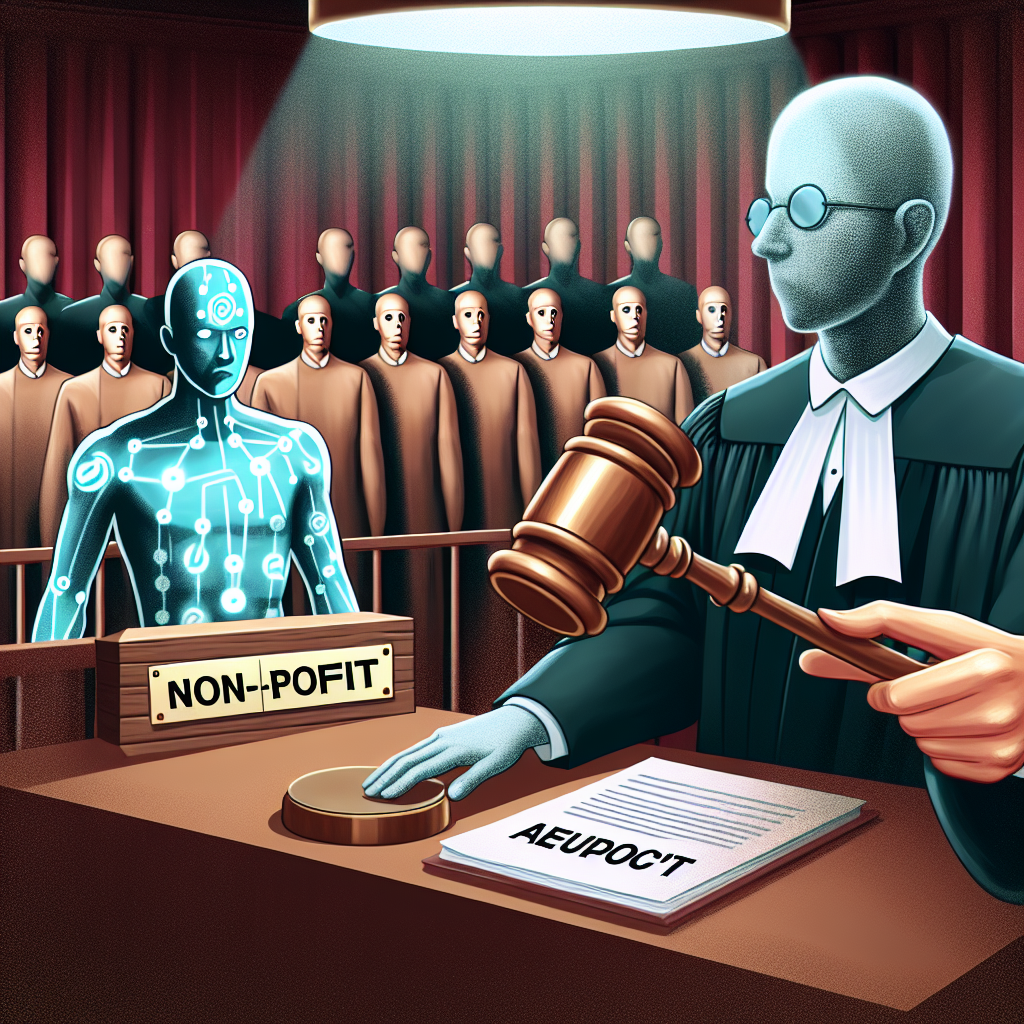
Judge Rejects Musk’s Bid to Block OpenAI’s For-Profit Shift: What It Means for AI’s Future
In a landmark decision that has sent ripples through the tech community, a judge has dismissed Elon Musk’s attempt to halt OpenAI’s transition to a for-profit model. This ruling is not just a legal matter; it has profound implications for the AI industry and its stakeholders. As OpenAI, one of the leading organizations in artificial intelligence research, pivots de facto toward commercial viability, questions arise about the consequences of capital interests on ethical AI development. Let’s delve into why this decision matters, the background context, and what the future may hold for OpenAI and the AI sector as a whole.
Understanding the Legal Dispute: Musk vs. OpenAI
Who Is Elon Musk and What’s His Connection to OpenAI?
Elon Musk, the charismatic CEO of Tesla and SpaceX, co-founded OpenAI in 2015 with the aim to ensure artificial intelligence benefits all of humanity. His vision was intertwined with OpenAI’s mission to remain a non-profit entity, focusing on transparency, collaboration, and global good over financial gain.
- Founding Mission: OpenAI was established as a non-profit organization dedicated to AI research that would align with human values.
- Initial Support: Musk was one of the early high-profile supporters, pledging significant financial resources to help achieve these altruistic goals.
OpenAI’s For-Profit Transition: Why the Shift?
In 2019, OpenAI announced the formation of OpenAI LP, a "capped-profit" company, to attract investment and accelerate research. Here’s why this shift occurred:
- Funding Needs: As AI research became more resource-intensive, OpenAI needed more substantial funding to compete with tech giants.
- Accelerating Progress: Proponents argue that more funding would enable quicker advancements in AI technology.
The Legal Challenge
Elon Musk’s attempts to block this transition were based on concerns that financial incentives might overshadow OpenAI’s original mission.
- Legal Arguments: Musk claimed OpenAI violated its foundational principles and misrepresented its change in status to stakeholders.
- Outcome: The judge ruled in favor of OpenAI, permitting the transition to continue.
What Are the Implications of This Ruling?
The dismissal of Musk’s challenge opens a new chapter for OpenAI. However, it raises important questions about the future role of for-profit entities in AI development.
The Benefits of a For-Profit Model:
- Increased Resources: OpenAI can attract additional funding, allowing it to scale up and compete with major players.
- Innovation Incentives: Financial motivations can drive faster and potentially more groundbreaking innovations.
Concerns About Ethical AI:
- Commercial Pressure: The shift to a for-profit model may prioritize shareholder returns over ethical considerations in AI development.
- Mission Drift: Critics worry about mission drift away from OpenAI’s original purpose of global technological good.
Future of AI Post-Ruling
How will OpenAI’s transformation impact the broader AI industry?
AI Development Trends
As OpenAI navigates its new path, expect the following trends:
- Increased Competition: Rival companies may emulate OpenAI’s model to balance innovation and sustainability.
- Partnerships: We might see closer collaborations between public institutions and private entities to harmonize ethical standards with commercial interests.
Ethical and Regulatory Considerations
The ruling emphasizes the necessity for robust frameworks to monitor AI’s societal impacts.
- Impact on Policy: Governments may ramp up regulations, ensuring that AI development aligns with ethical and societal norms.
- Global Collaborations: Strengthening alliances among international AI bodies to create a universally accepted ethical code.
Concluding Thoughts
The court’s decision is a defining moment in AI’s narrative. OpenAI’s path as a for-profit entity calls both for celebration and caution. It emphasizes the need for balancing rapid technological advancement with responsible stewardship.
Join the conversation: What do you think about OpenAI’s shift to a for-profit model? How might this impact the landscape of AI development moving forward? Share your thoughts in the comments below!
Additional Resources:
- OpenAI LP: Learn more about OpenAI’s charter and for-profit model here
- AI Ethics: Explore the ongoing conversation about ethics in AI here
- Tech Industry Insights: Subscribe to our newsletter for the latest updates and in-depth analyses on technology trends.
This SEO-optimized article is crafted to enhance readability, offering deep insights and inviting readers to reflect and engage on a compelling technological shift.