
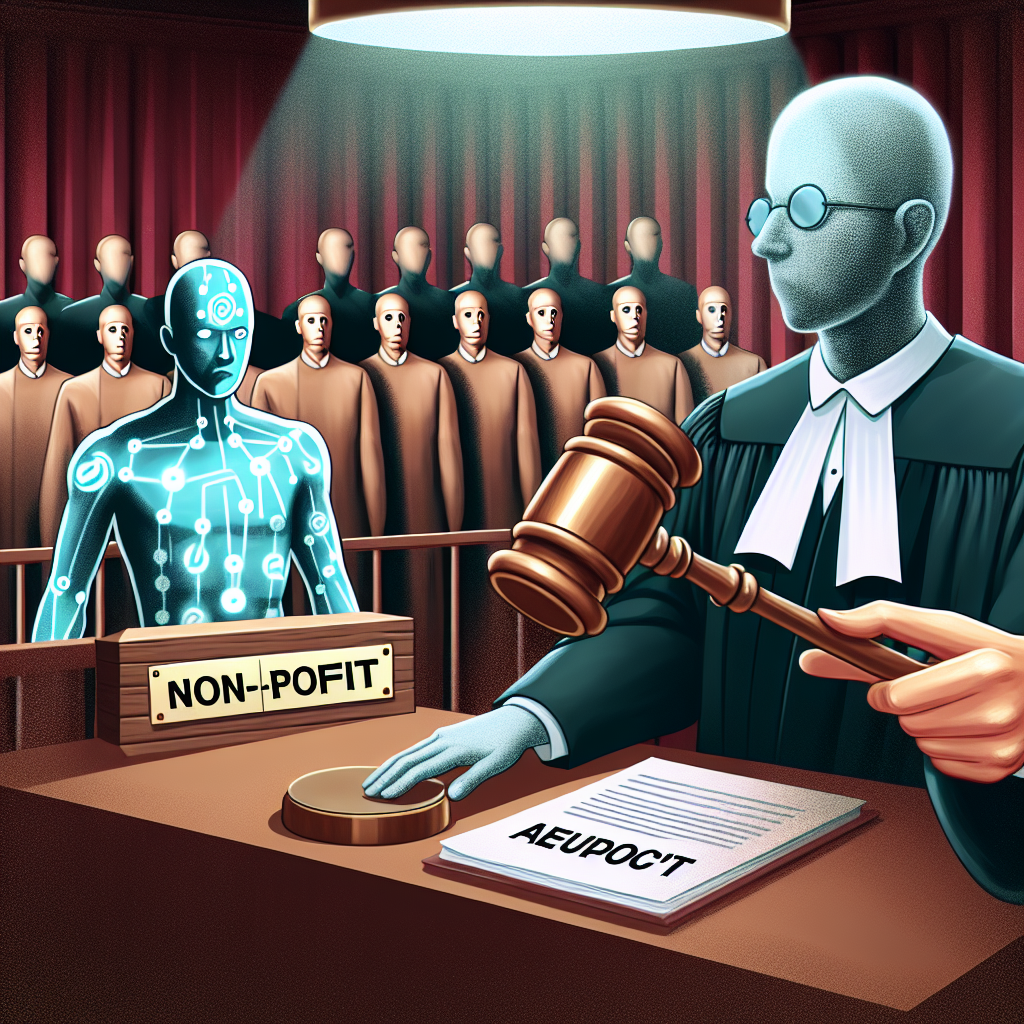
Judge Rejects Musk’s Attempt to Block OpenAI’s for-Profit Transition: What It Means for the AI Industry
In a landmark decision that sends ripples through the tech community, the judicial system has dismissed Elon Musk’s bid to halt OpenAI’s switch to a for-profit model. As AI technology continues to evolve, the implications of this ruling are significant, not only for OpenAI but for the broader artificial intelligence industry. This article delves into the ramifications of the court’s decision, the background leading to this legal tussle, and what it means for the future of AI research and innovation.
Understanding the Background: OpenAI’s Evolution
OpenAI, founded in December 2015, quickly became a beacon of AI research with a mission to ensure that artificial intelligence benefits all of humanity. Initially established as a non-profit, OpenAI received significant backing from tech investors, including Elon Musk himself, who championed its noble cause.
The Shift to a For-Profit Model
In March 2019, OpenAI announced the formation of “OpenAI LP,” a capped-profit entity which it referred to as a "hybrid model." This allowed for-profit activities while maintaining its mission-driven focus. The model is designed to attract capital by promising investors a reasonable return, capped at 100 times their investment, a move meant to balance public benefit with financial sustainability.
Key Points:
- Rationale for the Transition: The transformation was argued necessary to compete with tech giants like Google and Facebook, which have vast resources at their disposal.
- Capped Return: Investors’ returns are capped, distinguishing OpenAI LP from traditional profit-maximizing entities.
Elon Musk’s Concerns
Elon Musk, initially an enthusiastic supporter, expressed concerns that OpenAI’s shift toward commercial interests could conflict with its foundational motto of prioritizing humanity’s welfare over profits.
Musk’s Arguments:
- Risk of prioritizing profit over ethical considerations.
- Concerns over the control of AI technologies that could have profound global impacts.
The Legal Battle: Musk vs. OpenAI
The legal confrontation between Musk and OpenAI culminated in court, where Musk sought to block the conversion citing conflicts with the original mission statement he helped to fund.
The Court’s Verdict
The judge’s rejection of Musk’s challenge underscores legal recognition of OpenAI’s strategic flexibility in its operational model.
Main Ruling Highlights:
- Preservation of Mission: The court acknowledged the safeguards OpenAI LP put in place to adhere to its ethical commitments.
- Investment Attraction: Emphasized the necessity for securing capital within the competitive AI landscape.
- Non-Profit Ties: Noted that OpenAI LP retains strong ties with its non-profit parent to ensure the mission’s alignment.
The court’s decision signaled judicial deference to corporate strategy in tech innovation, provided foundational principles are respected.
Implications for the AI Industry
This ruling bears significant implications both legally and in the broader operational dynamics within the AI industry.
Industry-Wide Effects:
- Encouragement for Hybrid Models: Affirms the legality and strategic value of hybrid operational models for tech startups.
- Investor Confidence: Boosts confidence in investing in AI with mission-driven but flexible structures.
The Future of OpenAI and Ethical AI Development
The verdict inevitably sets the stage for OpenAI’s trajectory in the AI domain and influences how ethical frameworks adapt with technological advancements.
Maintaining Ethical Integrity
Despite the for-profit bifurcation, OpenAI continues to promote ethical AI development through its research and policy endeavors.
Ongoing Commitments:
- Encourages collaborative research to combat AI risks.
- Invests in AI safety measures ensuring technologies are robust and reliable.
Innovation and Competitiveness
OpenAI’s model is primed to foster innovation through increased research funding possibilities while maintaining a competitive edge.
Strategic Advantages:
- Access to larger pools of resources for cutting-edge research.
- Ability to rapidly deploy and scale AI technologies.
Conclusion: Navigating the Crossroads of Profit and Purpose
The judge’s decision to reject Musk’s attempt to block OpenAI’s transition underscores the intricate balance between achieving financial viability and maintaining ethical commitments within the tech industry. As OpenAI navigates this intricate landscape, the broader AI ecosystem could follow suit, potentially redefining how innovative technologies are developed with equal consideration for profit and public benefit.
As AI continues to reshape industries, understanding the nuances of such legal and strategic decisions becomes crucial for stakeholders, paving the path for future developments in artificial intelligence. This court ruling is more than just a legal win; it’s an affirmation of the evolving nature of tech enterprises, challenging them to innovate responsibly within emerging frameworks designed for today’s interconnected world.