
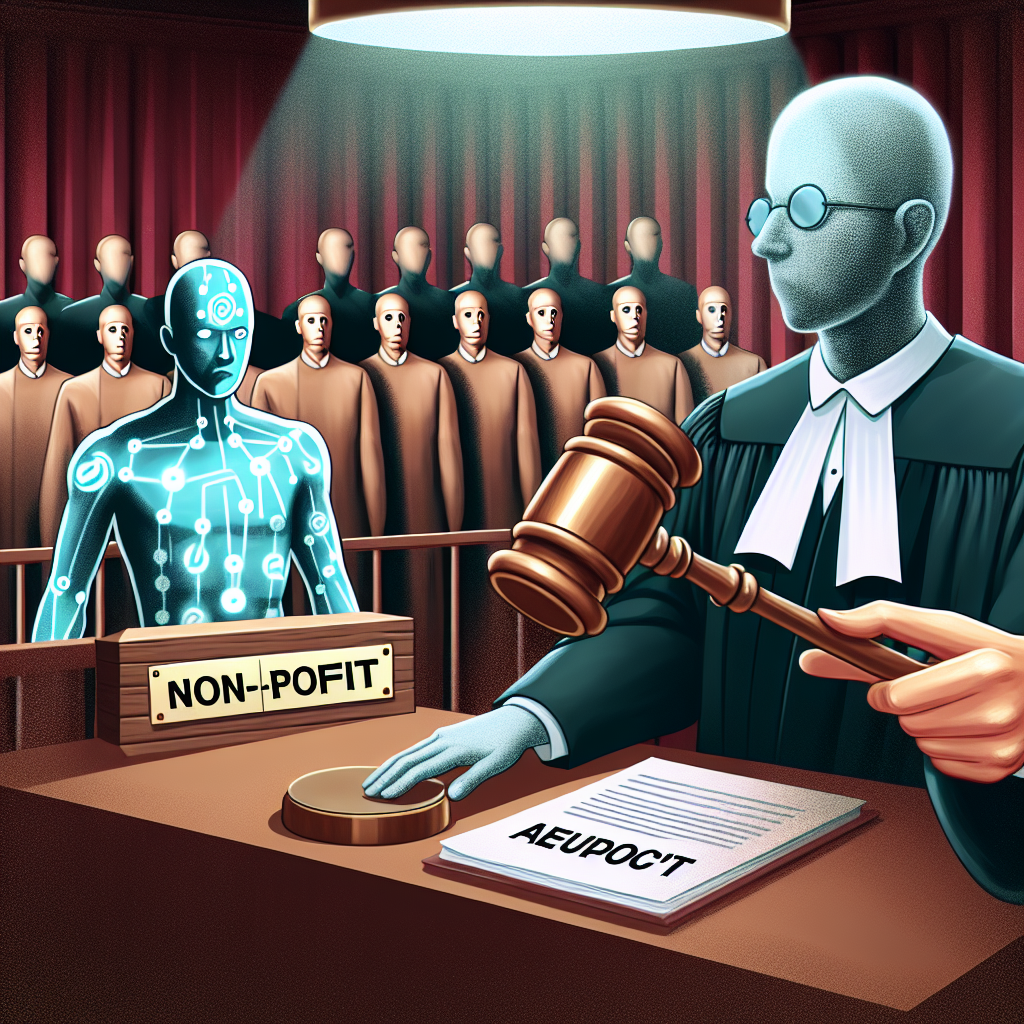
Courtroom Drama Unfolds: Musk’s Bid to Halt OpenAI’s For-Profit Shift Denied
In an unexpected development, a judge has rejected Elon Musk’s attempt to block OpenAI’s transition into a for-profit entity. This decision underscores the delicate balance between innovation, ethics, and commercial interests. But what does this mean for OpenAI, Musk, and the broader tech landscape?
Introduction: The Curious Case of OpenAI’s Transformation
An intriguing battle has emerged within the tech world. Elon Musk, the SpaceX and Tesla visionary, has faced a significant setback in his efforts to influence the trajectory of OpenAI. Initially founded as a non-profit to ensure artificial intelligence (AI) benefits humanity, OpenAI’s shift towards a for-profit model has sparked debates over the direction of AI ethics and innovation. This article delves into the implications of this legal decision, the motivations behind it, and what it means for the future of AI.
Setting the Stage: The Original Vision of OpenAI
Founded in December 2015, OpenAI was launched with the visionary goal of advancing digital intelligence for the benefit of humanity. Funded by tech luminaries, including Musk himself, it aimed to promote the creation of AI applications that align with shared human interests.
- Mission Emphasis: OpenAI was conceived to avoid the risks of AI-controlled monopolies.
- Ethical Concerns: The entity sought to champion safe and broadly beneficial AI development.
- Transparency and Collaboration: OpenAI fostered a culture of open research and cooperation across borders.
While these goals remain largely unchanged, the operational structure of OpenAI has undergone a significant evolution.
Reasons Behind OpenAI’s Transition to For-Profit
The Shift: Why Go For-Profit?
In 2019, OpenAI declared its intention to transition into a “capped-profit” organization, titled OpenAI LP. The move was justified on the grounds of sustaining its ambitious projects and attracting the necessary capital.
- Financial Sustainability: Developing cutting-edge AI technology requires robust financial backing.
- Competitive Edge: A for-profit model allows for rapid innovation in a highly competitive AI market.
- Talent Acquisition: Access to profits helps attract and retain top-tier talent.
This shift, however, was received with mixed emotions, not least from Musk who saw the development as a diversion from the original altruistic mission.
Elon Musk’s Stance: A Contrarian View
Musk, a co-founder who later distanced himself from the day-to-day operations citing conflict of interest, raised concerns over OpenAI’s deviation from its foundational principles. He feared the commercialization might drive the entity away from its ethics-first approach.
- Conflict of Interest: Concerns that a profit motive could overshadow ethical considerations.
- Transparency Risks: A shift in focus could endanger the ethos of open collaboration and transparency central to AI safety.
- Musk’s Vision for AI: Musk continues to be vocal about the potential existential risks associated with AI and believes maintaining a non-profit structure could help mitigate those.
The Court’s Decision
Judicial Review: Why Musk’s Attempt Was Denied?
In a legal challenge aimed at reversing OpenAI’s transition, the presiding judge ruled against Musk’s appeal. Here’s why:
- Legal Precedents: The judge cited the lack of compelling legal grounds to intervene in OpenAI’s strategic decisions.
- Organizational Autonomy: OpenAI, like similar organizations, has the autonomy to determine its operational models in alignment with its evolving mission.
- Mission Alignment: As OpenAI LP operates under a unique “capped-profit” model, the upward profit potential is limited, ensuring ethical alignment remains a priority.
This ruling not only reinforces OpenAI’s position but sets a precedent on how disputes involving mission shifts in tech nonprofits might unfold.
Implications for the AI Industry
OpenAI’s New Path Forward
OpenAI’s for-profit shift is reflective of an evolving tech landscape where companies must juggle innovation, ethics, and economic viability.
- Impact on Research: Access to more resources could accelerate AI advancements, though the implications for open research remain complex.
- AI Safety Debate: There’s a renewed focus on ensuring that AI acts in favor of humanity, not just corporate profit.
- AI Democratization: Ensuring AI benefits are widely distributed is necessary, even when profit structures change.
A Broader Look: What This Means for AI Ethics
Musk’s concerns may serve as a wake-up call for policymakers and tech companies to revisit and tighten AI governance frameworks.
- Ethics Boards: Increase in the establishment of independent ethics boards within AI organizations.
- Transparent Policies: Advocacy for transparent operational policies that guide ethical AI use.
- Global Collaboration: Strengthened international cooperation to ensure AI developments align with human-centric ideals.
Conclusion: The Future of AI and Corporate Ethics
The recent ruling against Musk’s attempt to block OpenAI’s for-profit transition underscores the complexities of balancing innovation with ethical considerations. As OpenAI charts its commercial path, it remains a beacon for responsible AI development. This case illustrates the broader industry’s challenges, highlighting the need to strike a delicate balance between innovation, profits, and ethics.
In a rapidly evolving tech world, ensuring the safe and equitable use of technology is as crucial as pursuing groundbreaking advancements. As OpenAI’s journey continues, it serves as both a lesson and a cautionary tale for the tech industry at large.
In conclusion, while the courtroom doors may have closed on Musk’s appeal, the conversation it sparked regarding AI’s ethical dimensions is only just beginning. The future of AI hinges on continuous dialogue and joint responsibility from tech visionaries, policymakers, and society.