
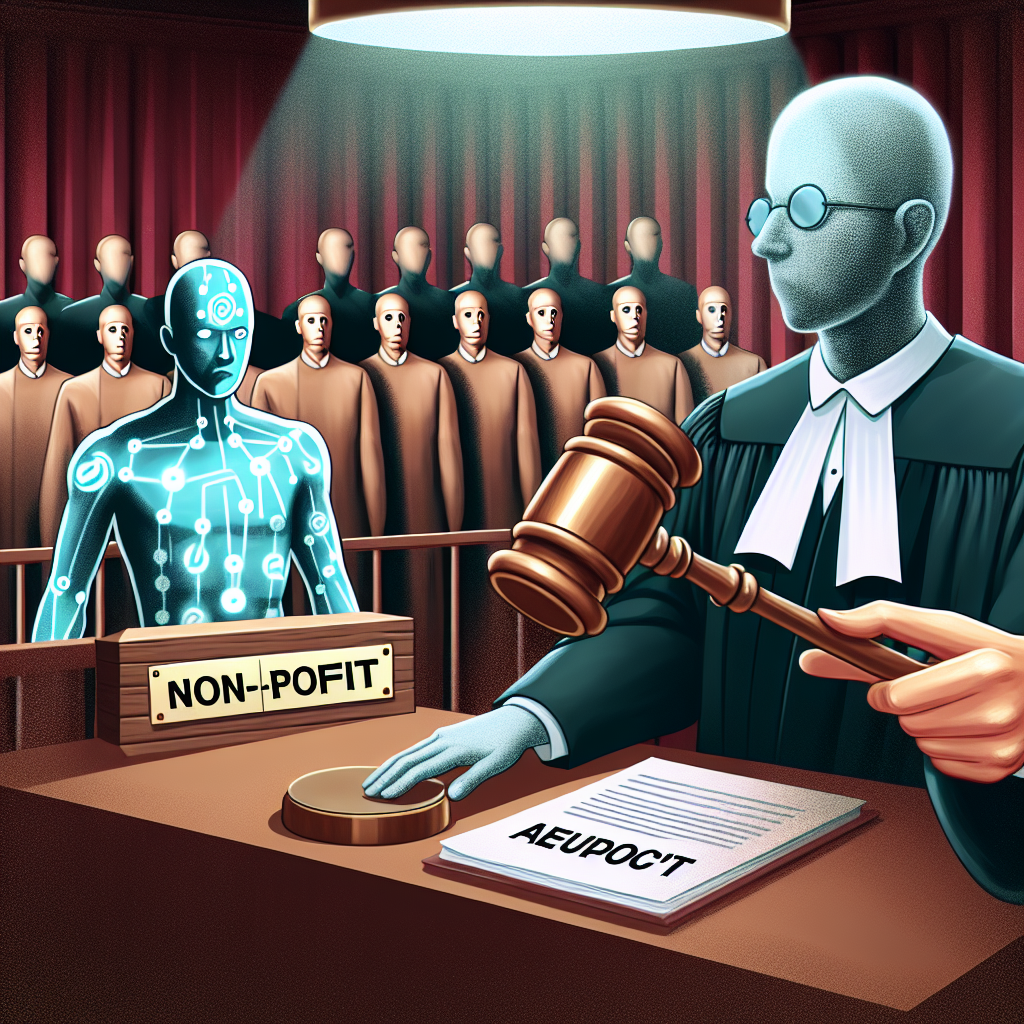
Musk’s Legal Hurdle: Judge Dismisses Attempt to Halt OpenAI’s For-Profit Shift
In a world where artificial intelligence shapes the future, titanic legal battles aren’t uncommon. A recent headline-grabbing event features Elon Musk, the tech entrepreneur known for his ventures with Tesla and SpaceX, amid a legal tussle with OpenAI, an organization he once helped to establish. The crux of the case lies in Musk’s attempt to stop OpenAI’s transition from a nonprofit to a for-profit entity—a move he perceives as misaligned with the original altruistic vision.
This article delves deep into the intricate relationship between Musk and OpenAI, the controversy surrounding OpenAI’s transformation, and the implications of the judge’s decision to reject Musk’s efforts. We aim to explore the multifaceted perspectives around this topic and propose some insights into the broader impacts on AI development and accountability.
The Genesis of OpenAI and Musk’s Role
Elon Musk: A Catalyst for OpenAI’s Inception
Elon Musk, alongside other tech luminaries, co-founded OpenAI in December 2015. The mission was clear: To develop artificial intelligence in a way that benefits humanity. Musk’s involvement brought not only financial resources but also significant influence in steering OpenAI’s initial mission.
-
Vision: OpenAI aimed to combat the concentration of power, ensuring AI advancements would be deployed with public interest in mind.
- Funding and Founding Goals: OpenAI committed an initial $1 billion, with a unique pledge to collaborate freely with other institutions. Musk’s financial involvement and tech foresight were pivotal in setting a philanthropic tone.
Transition to OpenAI LP: A Fork in the Road
In 2019, OpenAI announced a structural shift to create a "capped-profit" entity known as OpenAI LP, aiming to attract capital and muscle to compete with other tech giants. However, not everyone, particularly Elon Musk, perceived this change positively.
-
Risk and Reward Balance: Critics argued about the potential conflicts of interest in balancing profit motives with ethical AI research.
- Musk’s Departure: Musk departed from OpenAI in 2018, partly due to conflicts regarding AI safety roads and potentially differing visions for AI’s future.
The Legal Battle: Musk vs. OpenAI
Grounds for Musk’s Challenge
Musk’s legal contention rested on a fundamental belief that OpenAI’s for-profit shift diluted its original guiding principles. This contention raises several ethical and operational dilemmas:
-
Deviation from Founding Intent: Musk argued the transformation fundamentally strays from the nonprofit commitment made to shareholders and stakeholders.
- Impact on AI Ethics: Capital-driven motives might prioritize profit over transparency and safety, a concern Musk shared vehemently.
Judge’s Decision: A Rejection Rooted in Law
In a decisive ruling, the judge opted to dismiss Musk’s legal attempt to halt OpenAI’s transition, citing insufficient legal grounds. The ruling holds significant weight, signaling judicial hesitation to interfere in organizational structure absent clear legal breaches.
-
Legal Precedent: This decision could set a legal backdrop in future tech cases dealing with mission ambiguity and structural transformation.
- Potential Appeals: Although Musk may consider further legal pathways, the initial dismissal underscores the complexities in challenging internal organizational decisions.
Implications for the Tech and AI Community
Lessons for Tech Entrepreneurs
This unfolding narrative teaches valuable lessons to tech innovators and entrepreneurs:
-
Maintaining Alignment: Consistency between original missions and ongoing strategies remains essential. Strategic pivots should consider stakeholder expectations when initially set under a different pretense.
- Transparency and Ethical AI Discourse: Open communication policies and ethical debates must accompany transformative organizational shifts.
Broad Influence on AI Development
The implications extend beyond Musk and OpenAI, introducing a broader discussion about the regulation, oversight, and scrutiny AI organizations face amidst exponential advancements.
-
Accountability Measures: AI accountability infrastructures might require stringent oversight, especially when commercial interests escalate.
- Role of Nonprofits: As AI continues to develop, the role of nonprofits in guiding and balancing profit-driven tech becomes all the more critical.
Conclusion: Bridging Vision and Reality in AI Development
Elon Musk’s legal setback might have thwarted his immediate aims, yet it ignites important conversations about the trajectory of AI innovations and the ethical scaffold supporting them. The balance between visionary ideals and practical realities is a tightrope act all AI entities must finesse as they navigate future transformative paths.
Elon Musk and OpenAI’s story captures a critical snapshot of our era, where technology, law, and ethics intersect in ways that will define generations. As we observe these interactions, let this guide us to shape an accountable, inclusive, and benefit-driven AI environment fostering societal welfare.
Keywords: Elon Musk, OpenAI, for-profit transition, AI ethics, legal battle, tech development, nonprofit organization
The views shared herein are subject to ongoing developments and understandings and should be taken as part of a broader informational context, not a definitive legal or technical discourse.