
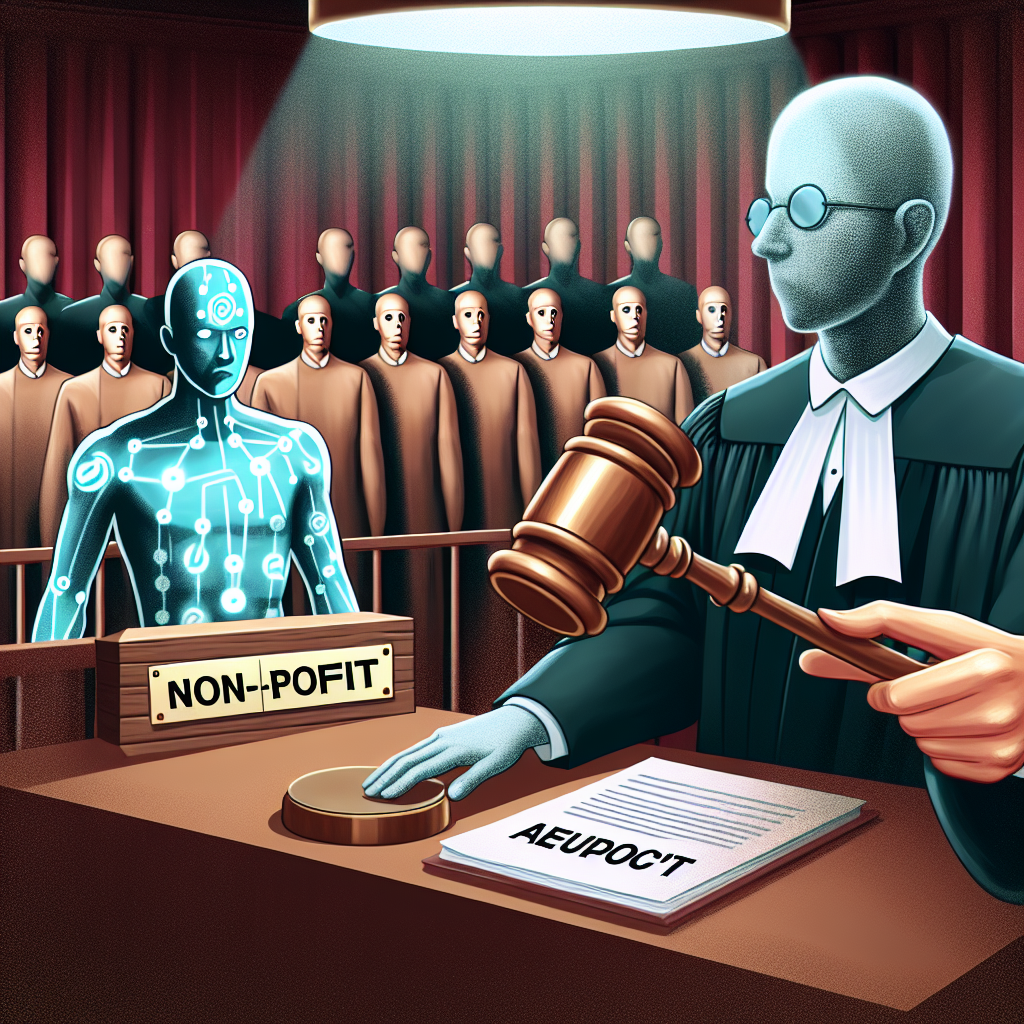
Musk’s Legal Setback: Judge Denies Bid to Halt OpenAI’s For-Profit Shift
The tech world is buzzing after a recent court decision that struck a blow to Elon Musk. The famed entrepreneur attempted to block OpenAI’s transition to a for-profit entity, a move that has stirred controversy for some time now. With the court’s ruling, OpenAI is legally free to pursue its commercial aspirations. This decision not only impacts the future of OpenAI but also sets a precedent within the tech industry. Let’s dive deeper into the intricate web of events leading to this pivotal moment and explore the potential ramifications on the tech landscape.
Understanding OpenAI’s Transition to a For-Profit Model
OpenAI, originally founded as a non-profit organization, aimed to ensure that artificial general intelligence (AGI) benefits all of humanity. This foundation attracted the support of numerous tech giants and visionaries, including Elon Musk. However, the transition to a "capped-profit" model, or "OpenAI LP," has drawn both attention and resistance.
The Rationale Behind the Transition
-
Funding Needs: As a non-profit, OpenAI faced considerable limitations in raising funds. Transforming into a for-profit entity allows OpenAI to attract large-scale investments, essential for ambitious AI projects.
-
Increased Competitiveness: The AI landscape is highly competitive, with tech giants like Google and Microsoft investing billions. OpenAI’s transition enhances its ability to compete on an equal footing.
- Talent Acquisition: For-profit status means offering competitive salaries and stock options, critical for recruiting and retaining top talent in the tech industry.
Musk’s Opposition to the Shift
Elon Musk, one of OpenAI’s co-founders and early supporters, has been vocal about his concerns regarding the for-profit transition. His primary apprehensions include:
- Divergence from Founding Principles: Musk argues that the shift undermines OpenAI’s original intent to prioritize ethical considerations over profit-driven motives.
- Control and Influence: By turning for-profit, there’s a risk that corporate interests could overshadow the transparent and ethical guidelines initially set forth.
- Consolidation of Power: Musk fears that a profit-driven OpenAI might concentrate power in ways that could threaten global equitable access to AI advancements.
The Legal Battle: Musk vs. OpenAI
In seeking to block OpenAI’s transition, Musk took the legal route, citing potential breaches of the original mission and agreements. The case brought several key arguments to light.
Key Legal Arguments
-
Breach of Trust and Fiduciary Duty: Musk contended that OpenAI’s fiduciary duty was compromised, as the transition served financial interests over the non-profit mission.
-
Shareholder Agreement Violations: The legal challenge rested on whether the transition violated any pre-existing agreements made between OpenAI’s founders and stakeholders.
- Public and Policy Interest: Musk positioned that the shift was not in public interest, potentially setting a dangerous precedent in the tech industry.
The Court’s Verdict
The court’s ruling favored OpenAI, allowing the transition to its "capped-profit" model. Key points from the decision include:
- Legal Grounds for Transition: The court found that OpenAI acted within legal frameworks, adhering to both internal policies and stakeholder agreements.
- Alignment with Public Interest: The decision noted that OpenAI’s capabilities for addressing vast societal challenges justify the structural change.
Implications of the Court’s Decision for the Tech Industry
This ruling has several ramifications for OpenAI and the broader tech sector.
For OpenAI
- Strengthened Financial Position: With legal approval, OpenAI can confidently pursue funding and partnerships to expedite its research and development.
- Broader Industry Collaborations: The decision opens doors for meaningful collaborations with commercial tech giants, potentially accelerating AI innovation.
Broader Tech Industry Impact
- Precedent for Other Non-Profits: Other tech non-profits may now consider similar transitions to improve funding and competitive edge.
- Increased Regulatory Scrutiny: The case raises awareness around governance and ethical practices, prompting discussions on regulatory frameworks.
- Potential Shifts in Tech Philanthropy: Stakeholders and investors may reassess their support criteria, balancing profit motives against ethical benchmarks.
The Road Ahead: Challenges and Opportunities
OpenAI’s journey is far from over. The transformation into a for-profit entity will usher in a new era, loaded with challenges and opportunities alike.
Ethical and Governance Challenges
-
Maintaining Ethical AI Development: Ensuring that profit motives do not override founding ethical principles will be critical.
- Transparency and Accountability: Continued public communication about decision-making processes can foster trust.
Opportunities for Innovation
-
Expanding Use Cases: Harnessing profit-driven investments can translate to groundbreaking innovations in multiple sectors—healthcare, finance, and more.
- Global Leadership: With the right balance, OpenAI could lead the way in developing AGIs that are both cutting-edge and ethically sound.
In Conclusion, the recent court decision symbolizes a significant turning point in the AI domain. As OpenAI embarks on its new journey, the tech industry, investors, and the public will closely watch how it navigates this complex landscape. The outcome will undoubtedly influence future models of innovation, governance, and ethics in artificial intelligence. Whether these changes result in equitable advancements for all or prioritize financial gains remains a central focus.
Stay tuned for further developments as the collision course between ethics and technology continues to unfold in real-time.