
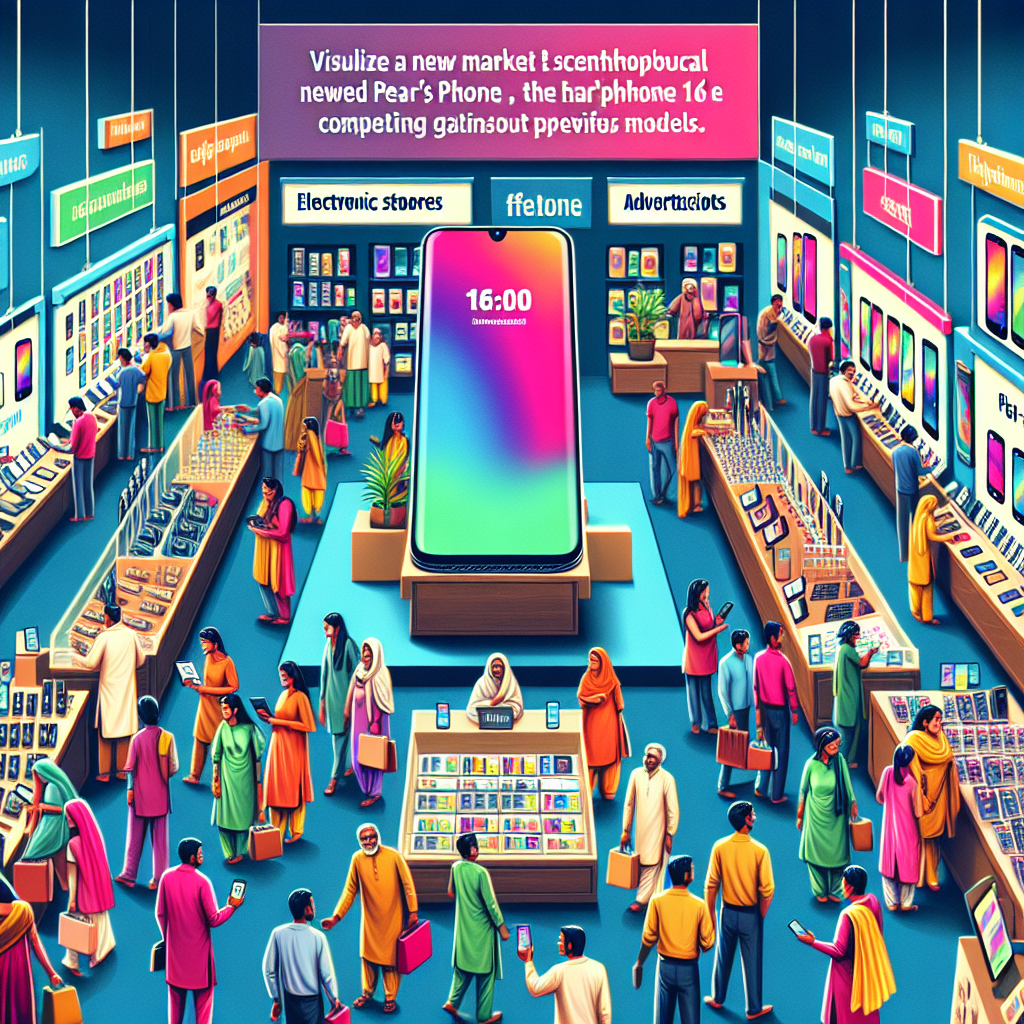
The Battle for Supremacy: How Apple’s iPhone 16e Faces Stiff Competition from Its Older Siblings in India
In the vibrant and rapidly growing Indian smartphone market, Apple faces a unique challenge with the release of its latest model, the iPhone 16e. Known for its innovation and premium branding, Apple has long been a popular choice among Indian consumers. However, with the introduction of the iPhone 16e, Apple finds itself competing against its own, older models that continue to captivate potential buyers. This article explores how the iPhone 16e fares against older iterations and what this means for consumers and Apple’s market strategy in India.
A Closer Look at iPhone 16e
Before delving into the competition between Apple’s newest and older models, it’s crucial to highlight what makes the iPhone 16e stand out. As part of Apple’s continuous innovation, the iPhone 16e boasts several cutting-edge features:
- Technology: The iPhone 16e is powered by Apple’s latest A-series chip, promising unmatched performance and efficiency.
- Design: A sleek new design with a larger display and enhanced durability, thanks to the ceramic shield front.
- Camera: Advanced camera systems that offer superior low-light performance and enhanced computational photography.
- Battery Life: Improved battery life with fast-charging capabilities.
- Software: Comes with the latest iOS version out-of-the-box, providing users with the newest features and enhanced privacy controls.
Despite these appealing features, the iPhone 16e is grappling with an interesting challenge—its predecessors.
Why Older iPhone Models Still Hold Sway
Affordability
One of the most significant factors driving the continued popularity of older iPhone models in India is affordability. As newer models are launched, older ones often receive substantial price cuts, making them more accessible to a broader audience. Additionally, trade-in offers and festive season discounts further sweeten the deal for cost-conscious consumers.
Familiarity and Reliability
For many Indian consumers, familiarity breeds comfort. Older iPhone models have proven to be reliable over time, making them a safe and trusted choice for consumers looking for stability rather than novelty. This trust in the device’s reliability counters the urge to purchase the newest model instantly.
Adequate Features
While newer models tout the latest advancements, older iPhones still provide most features that the average user considers essential:
- High-quality camera performance
- Sufficiently fast processors for everyday tasks
- Robust security features
- Access to Apple’s ecosystem and services
Optimized Software Support
Apple has a history of providing software updates to older models for many years after their initial release. This guarantees that even older devices receive the latest software enhancements, which helps keep them competitive against newer models.
Consumer Behavior in the Indian Market
The Value-Conscious Indian Buyer
The Indian smartphone market is recognized for its value-conscious consumers. While there’s a segment willing to invest in the latest and greatest, many customers focus on maximizing value for their spend. This behavior influences sales as customers evaluate trade-offs between paying a premium for the iPhone 16e and opting for slightly older models at a reduced cost but with adequate capabilities.
Brand Aspirations and Loyalty
Apple possesses significant brand equity in India. Owning an iPhone is often associated with social status and aspiration among a certain demographic of consumers. However, this aspiration doesn’t necessarily dictate a preference for the latest model. Many buyers are content with choosing more affordable, previous-generation models to fulfill this brand aspiration.
Trade-In Programs and Resale Markets
Apple has made strides in offering trade-in programs that help offset the higher price tag of the iPhone 16e. These programs are compelling for budget-conscious consumers who want to offset some costs with their older devices. The resale market for iPhones is also robust, offering attractive options for buyers who are willing to compromise on a brand-new device for one in excellent condition at a lower price point.
Future Implications for Apple’s Market Strategy
Customization for Local Markets
One area where Apple could enhance its reception among Indian consumers is by customizing offerings to better suit local needs. Introductions of models with specific features that cater to the culturally unique uses in India could prove to be a winning strategy without alienating its brand identity.
Reinforcing the Brand Ecosystem
Apple could also focus on reinforcing its brand ecosystem. Encouraging the use of additional Apple services, like Apple Music, Apple TV+, and subscriptions, could position their products as gateway devices into a broader lifestyle offering beyond just hardware.
Expansion of Retail Networks
Another pivotal strategy is the expansion of retail networks to ensure accessibility and improved customer experiences. Apple has started to expand its presence with online and physical stores, which should continue to enhance local engagement with the brand.
Conclusion: Navigating the Competitive Landscape
As the battle unfolds in India’s ever-competitive smartphone market, the iPhone 16e prepares to face not just external competition but from within its lineage. The decision for consumers often comes down to balancing cutting-edge innovation against tried-and-true reliability and cost-effectiveness.
Ultimately, Apple’s success with the iPhone 16e will depend on its ability to leverage its brand loyalty while addressing the diverse needs and preferences of the Indian consumer. By straddling the line between innovation and accessibility, Apple can continue to stay in tune with one of the world’s most dynamic and fast-evolving markets.