
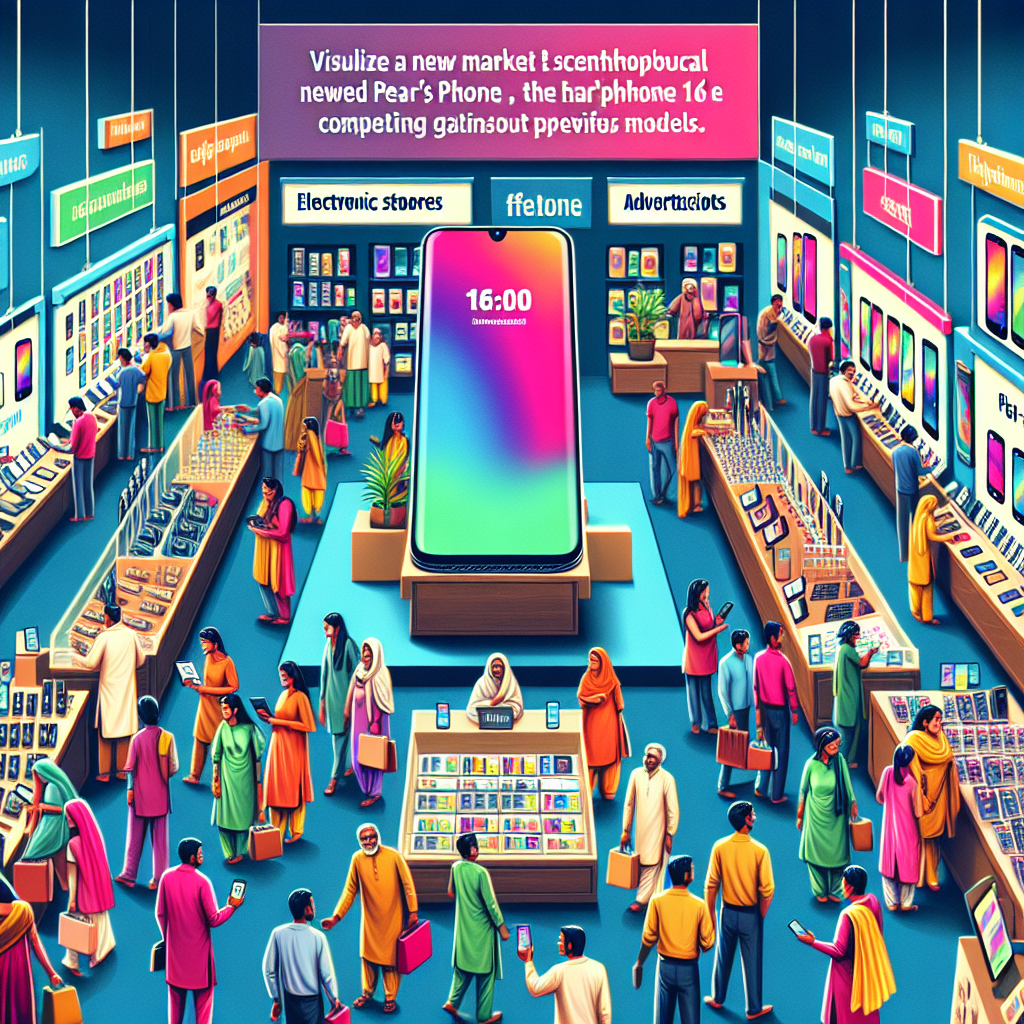
The iPhone 16e in India: A Battle for Supremacy Against Its Own Legacy
In the fast-paced world of technology, staying ahead of the curve is a challenge, even for giants like Apple. As the Cupertino-based company unveils its latest masterpiece, the iPhone 16e, the Indian market presents a unique battlefield. Here, Apple not only faces fierce competition from rival brands but also from its own predecessors. The formidable spectrum of older iPhone models is still captivating the audience’s hearts and pockets. Let’s delve into this intriguing scenario and explore how Apple’s new release fares against its established legacy in India.
Apple’s Market Strategy in India
In a diverse and cost-sensitive market like India, Apple’s marketing strategy plays a crucial role in determining its success. Understanding consumer behavior, meeting price expectations, and maintaining brand prestige are critical elements.
The Unique Indian Market
India’s market is distinct due to a number of factors:
- Price Sensitivity: The price-conscious nature of Indian consumers means that Apple has to tread cautiously when pricing its premium products.
- Wide Demographics: From tech enthusiasts to those new to smartphones, Apple’s audience in India is vastly diverse.
- Economic Variability: Regional economic disparities affect purchasing power and brand loyalty.
Apple’s India Strategy for the iPhone 16e
To capture a larger market share, Apple has had to:
- Localized Manufacturing: By setting up manufacturing hubs in India, Apple reduces costs and avoids import duties, allowing more competitive pricing.
- Marketing Campaigns: Tailored campaigns highlight the specific features that appeal to Indian consumers, such as enhanced camera capabilities for photography enthusiasts.
- Financial Incentives: Partnering with banks and offering EMI options make premium models more accessible.
Competing with Legacy: The Popularity of Older iPhone Models
Despite impressive new launches, older iPhones continue to hold significant appeal in India. Several factors contribute to this trend:
Everlasting Appeal of Older iPhones
- Price Drops: With each new release, previous models see price reductions, making them more affordable.
- Longevity & Performance: Older models still offer robust performance backed by regular software updates from Apple.
- Strong Resale Value: iPhones maintain a good resale value, making them a preferred choice for budget-conscious buyers.
The Star Contenders: Older iPhone Models
- iPhone 11: Known for its dual-camera system and A13 Bionic chip, it remains a favorite for its performance and price point.
- iPhone SE (2nd Gen): Touted as the ‘budget iPhone’, it provides essential features and Apple’s reliable update cycle at an economical price.
- iPhone 13: With recent price cuts following the release of the 16e, it offers advanced features like improved battery life and camera systems at a reduced cost.
Features of the iPhone 16e: Revolutionary or Redundant?
Does the iPhone 16e offer enough groundbreaking features to lure customers away from its predecessors? Let’s explore its standout aspects:
Advanced Technological Features
- A16 Bionic Chip: Offering unmatched speed and efficiency, this chip powers new machine learning capabilities and enhanced AR experiences.
- Camera Upgrades: The introduction of advanced low-light photography and cinematic video recording raises the bar.
- Battery Life & Charging: Faster charging and better battery performance align perfectly with the needs of the Indian consumer.
Aesthetic and Functional Developments
- Redesign: A sleek, modern design with eco-friendly materials enhances Apple’s commitment to sustainability.
- User Experience: New iOS features provide a seamless and intuitive user interface, ensuring users stay entrenched in the Apple ecosystem.
The Influence of Consumer Sentiment
How do Indian consumers perceive the iPhone 16e in comparison to older models? Let’s consider the impact of brand loyalty, customer feedback, and societal trends.
Brand Loyalty in India
Indian consumers often exhibit significant brand fidelity. However, this loyalty usually extends to a range of models rather than the latest release alone. Key factors include:
- Ecosystem Dependency: Once within the Apple ecosystem, users find it difficult to transition to other brands due to the seamless integration of Apple services.
- Brand Prestige: Owning an Apple product is considered a status symbol, influencing purchasing decisions.
The Role of Feedback and Reviews
Given the digital age, online reviews and social media play a pivotal role. Prospective buyers frequently browse user-generated content and expert reviews before making a purchase.
- Word of Mouth: A powerful tool in stimulating sales; positive or negative word of mouth impacts the perception of new models significantly.
- Tech Influencers: Popular tech reviewers bring the spotlight on features that resonate with Indian consumers.
Conclusion: The Road Ahead for Apple in India
In conclusion, the iPhone 16e undoubtedly offers a plethora of improvements and innovations, but the appeal of older models is not to be underestimated. Apple’s success in India will likely depend on how effectively it can balance introducing cutting-edge technology with addressing consumer priorities such as price, performance, and brand value.
Future Insights
- Continued localization efforts may help bridge the affordability gap.
- Engaging with consumers directly to understand their needs can help tailor future releases.
- Expanding service and support networks could enhance the brand’s presence and reliability in India’s growing tech landscape.
For Apple, the challenge remains to convince the vast and varied Indian market that the iPhone 16e isn’t just another iteration but a valuable upgrade worth investing in despite the stiff internal competition from its own legacy models.