
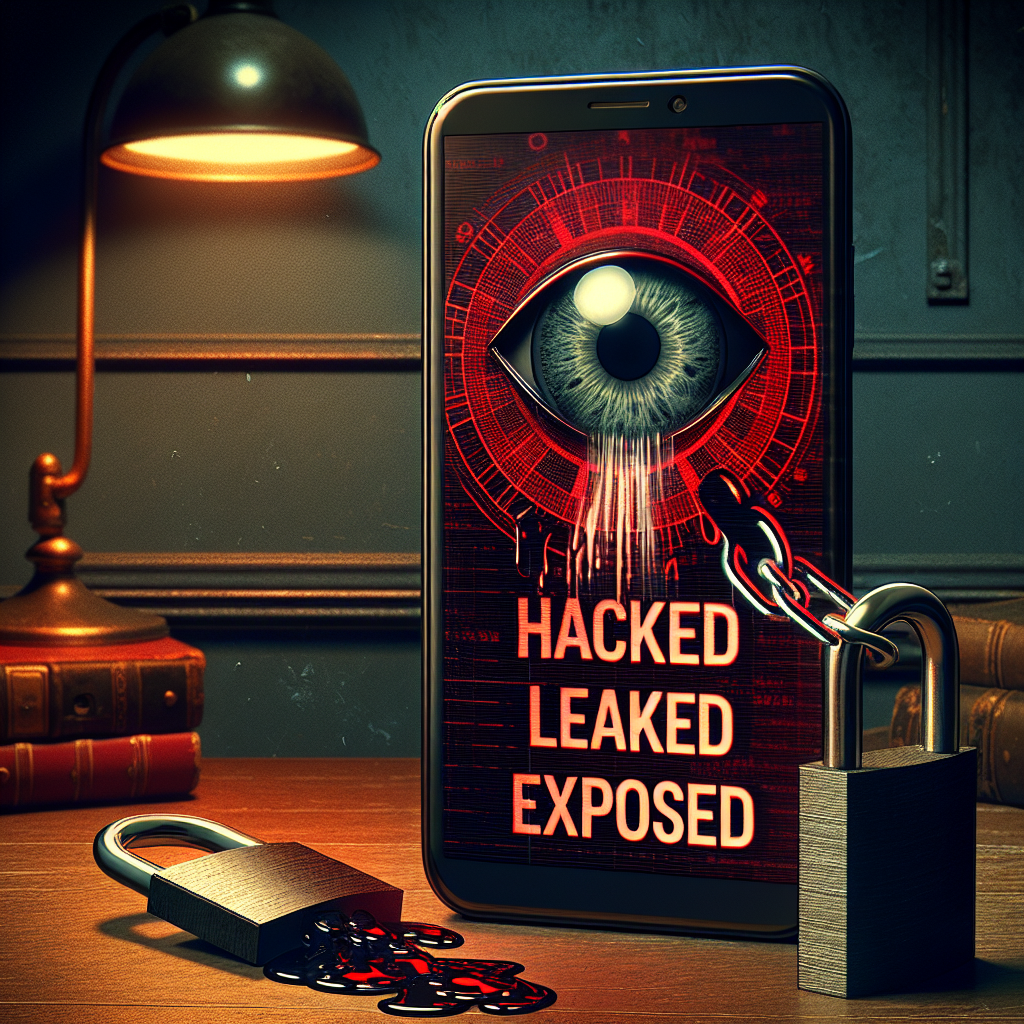
Hacked, Leaked, and Exposed: The Dark Side of Stalkerware Apps and Why You Should Avoid Them
In the digital age, the rise of stalkerware apps poses a severe threat to people’s privacy and security. These intrusive and unauthorized software applications are often disguised as helpful tools for tracking loved ones or monitoring employees, but in reality, they represent a disturbing encroachment on personal privacy. From hacked data to leaked personal information, the risks associated with stalkerware are extensive and deeply concerning.
What is Stalkerware?
Stalkerware refers to software, often installed on smartphones or computers without the knowledge or consent of the user, that allows a third party to monitor and record information about the user’s activity. This might include tracking location, reading messages, capturing keystrokes, and accessing media files, all without notifying the victim.
How Stalkerware Operates
Stalkerware operates stealthily. Once installed, it runs quietly in the background, gathering sensitive information:
- Location Tracking: Using GPS technology, stalkerware can track the physical movements of a person in real-time.
- Message Interception: It can read and store SMS, emails, and other types of instant messages.
- Call Monitoring: The app can record incoming and outgoing calls.
- Browser History: It tracks the websites visited by the victim.
- Camera and Microphone Access: Some stalkerware can even activate cameras and microphones remotely.
The Alarming Prevalence of Stalkerware
Despite its unethical nature, stalkerware is more common than you’d think. Various reports suggest that millions of individuals worldwide are affected by these privacy-invasive apps. Those who find themselves under digital surveillance often experience it in deeply detrimental ways, including invasions of personal boundaries and increased personal threats.
The Risks of Using Stalkerware
While some might believe that stalkerware provides a level of security or oversight, the reality is quite the opposite. Employing stalkerware often results in severe consequences:
Data Breaches and Leaks
Stalkerware apps are notorious for their lack of robust security measures, making them prime targets for hackers:
- Vulnerability Exploitation: Many stalkerware apps have weak security protocols, which can be easily hacked.
- Exposure of Sensitive Information: Once hacked, sensitive information about the victim can be leaked, including private conversations, personal photos, and critical personal data.
Legal Implications
The legal ramifications of using stalkerware can be grave:
- Violation of Privacy Laws: Most jurisdictions view the unauthorized installation of data tracking software as illegal.
- Lawsuits and Penalties: Users of stalkerware may face lawsuits, legal penalties, or even imprisonment.
Ethical Concerns
Using stalkerware is not just a legal issue but a significant ethical concern:
- Breaching Trust: Monitoring someone without their knowledge is a breach of trust and can severely damage personal and professional relationships.
- Psychological Impact: Victims of stalkerware often experience stress, anxiety, and a constant sense of being watched.
Telltale Signs Your Device May Be Infected
Detecting stalkerware can be challenging, but some indicators might suggest your device is compromised:
- Increased Data Usage: Unusually high data consumption may indicate that information is being sent from your device.
- Device Instability: Frequent crashes or slowdowns could point to stalkerware activity.
- Unusual Battery Drain: Stalkerware operates continuously, leading to significant battery depletion.
Steps to Protect Yourself from Stalkerware
Being proactive is key to safeguarding your digital privacy. Here are some steps you can take:
Conduct Regular Security Checks
- Update Software: Regularly update your device’s operating system to patch any vulnerabilities.
- Install Security Software: Use trusted antivirus and antimalware programs to detect and remove stalkerware.
Be Cautious of App Permissions
- Review Permissions: Always check what permissions an app requires and avoid granting access to unnecessary features.
Utilize Stronger Passwords
- Use Unique, Complex Passwords: Employ strong passwords and change them regularly.
- Enable Two-Factor Authentication: Increase security by requiring a second form of verification.
Ethical Alternatives to Stalkerware
For those genuinely interested in maintaining open communication and ensuring the safety of loved ones or employees, ethical alternatives exist:
Use Approved Safety Apps
Rather than using stalkerware, consider apps designed with privacy and consent in mind:
- Family Locator Apps: These apps are based on mutual agreement and often include controls to disable tracking.
- Employee Monitoring Tools with Disclosure: Transparent monitoring solutions for businesses, where all parties are aware and consent to monitoring.
Conclusion: Rejecting Stalkerware for a Safe Digital World
In conclusion, the use of stalkerware apps is fraught with risks that far outweigh any potential benefits. From data breaches and legal troubles to ethical dilemmas, these applications represent a dangerous infringement on personal privacy. By understanding the implications and taking proactive steps to secure digital devices, individuals can protect themselves and others from becoming victims of stalkerware. Embracing transparency and mutual trust in personal and professional relationships creates a more secure and respectful digital landscape for everyone.