
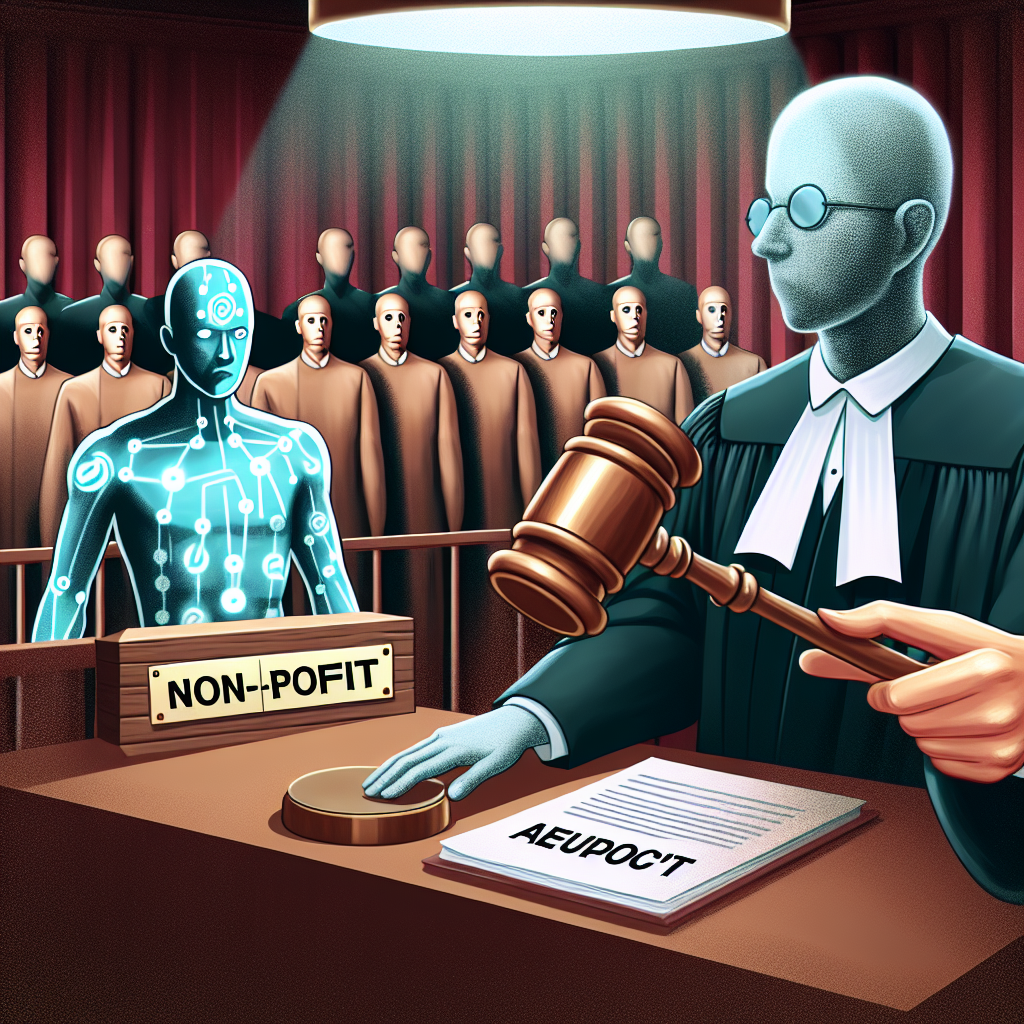
Judge Rejects Musk’s Attempt to Block OpenAI’s For-Profit Transition: What It Means for AI’s Future
Artificial Intelligence (AI) is at the forefront of technological advancement, and companies like OpenAI lead the charge. Yet, the journey of OpenAI from a non-profit to a profit-driven entity has not been smooth sailing. Recently, a judge rejected Elon Musk’s attempt to block this transition. But what’s at stake, and why does it matter? Let’s delve into the ramifications of this decision.
Background: OpenAI’s Evolution
Founded with an ambitious goal to create and ensure AI benefits humanity, OpenAI originally operated as a non-profit organization. The mission was clear-cut: prioritize broad, societal benefits over profits. However, this industry is fast-paced, competitive, and resource-intensive, leading OpenAI to explore alternative funding models.
From Non-Profit to "Capped" Profit
In 2019, OpenAI announced its transition to a model known as a "capped" profit. This hybrid model aims to attract investment while safeguarding the original mission. It’s a compromise between innovation and capital—the lifeline necessary for any tech company to thrive in a competitive market.
- Capped Profit Structure: OpenAI’s investors can earn returns up to 100 times the investment, which is significant but capped, preserving some non-profit attributes.
- Mission Alignment: Maintaining commitment to the AI mission while unlocking significant capital needed for research and development.
Elon Musk’s Concerns: A Contested Transition
Elon Musk, one of OpenAI’s early backers, has made headlines for opposing the organization’s transition to a for-profit entity. Musk’s concerns aren’t trivial and they highlight the ethical and competitive issues within the AI landscape.
Why Did Elon Musk Oppose?
- Profit Over Principle: Musk feared that introducing profit motives could compromise AI’s safety and broad accessibility goals.
- Competitive Concerns: Musk, spearheading another AI initiative through Tesla, worries about conflicts and ethical constraints.
- Core Mission Divergence: Transformation from non-profit to profit-centric approach diverges from initial altruistic objectives.
Judicial Intervention
The court’s recent verdict dismissed Musk’s attempt, allowing OpenAI to continue with its transition. The verdict indicates that OpenAI’s operational model aligns sufficiently with legal guidelines concerning organizational changes.
The Implications of OpenAI’s For-Profit Transition
OpenAI’s shift from non-profit to for-profit has significant implications for the landscape of AI development, funding, and regulatory oversight. Understanding these dynamics is essential for anyone interested in AI’s future trajectory and ethical considerations.
Economic Impact
For-profit models attract larger investments necessary for technological advancements. Here’s how OpenAI’s transition potentially reshapes economic paradigms in AI:
- Increased Funding, resulting in an accelerated pace of AI innovation.
- Monetization Opportunities for corporate partnerships, offering lucrative returns.
- Job Creation as a result of expanded initiatives and broader goals.
Ethical Questions and Governance
With increased investment comes ethical scrutiny. How will OpenAI balance profit with responsible AI practices?
- Ethical AI Development: A need for strong oversight to prevent biases and ensure security.
- Transparency and Accountability: Implementing checks that hold the organization accountable to its original mission.
Future of AI: Challenges and Opportunities
The AI field is no stranger to challenges and opportunities. OpenAI’s transition is a microcosm of the broader developments in AI, indicating where the field might be headed in terms of governance, innovation, and ethical use.
Challenges Ahead
- Balancing Goals: Harmonizing profit motives with the mission to ensure AI benevolence.
- Regulatory Barriers: Navigating legal environments to align with global ethical standards.
- Public Perception: Addressing concerns over personal data security and technology misuse.
Opportunities for Growth
- Innovative Technologies: Accelerated R&D could lead to groundbreaking AI solutions.
- Global Influence: Becoming a leading player in shaping global AI norms and practices.
- Expanded Reach: Leveraging commercial gains to fund educational initiatives and public welfare projects.
Conclusion: A New Epoch for OpenAI
The judge’s decision to uphold OpenAI’s for-profit transition signals a significant development in the AI industry. This ruling not only facilitates the flow of much-needed capital into AI research but also underscores the ongoing balancing act between innovation and ethics. As we forge ahead, understanding these dynamics will be essential for stakeholders—be it developers, investors, or regulators—to navigate the swiftly changing digital landscape.
What Lies Ahead
OpenAI and similar entities must aim for a synthesis of innovation and ethical stewardship. Collaboration and dialogue across sectors can ensure that AI development enhances human life while adhering to core ethical standards. In a world increasingly influenced by AI, how we choose to develop and govern these technologies will shape future societal norms.
Readers, what are your thoughts on this significant decision? Does profit inherently alter the ethical course of technological advancement? Let us know in the comments below!