
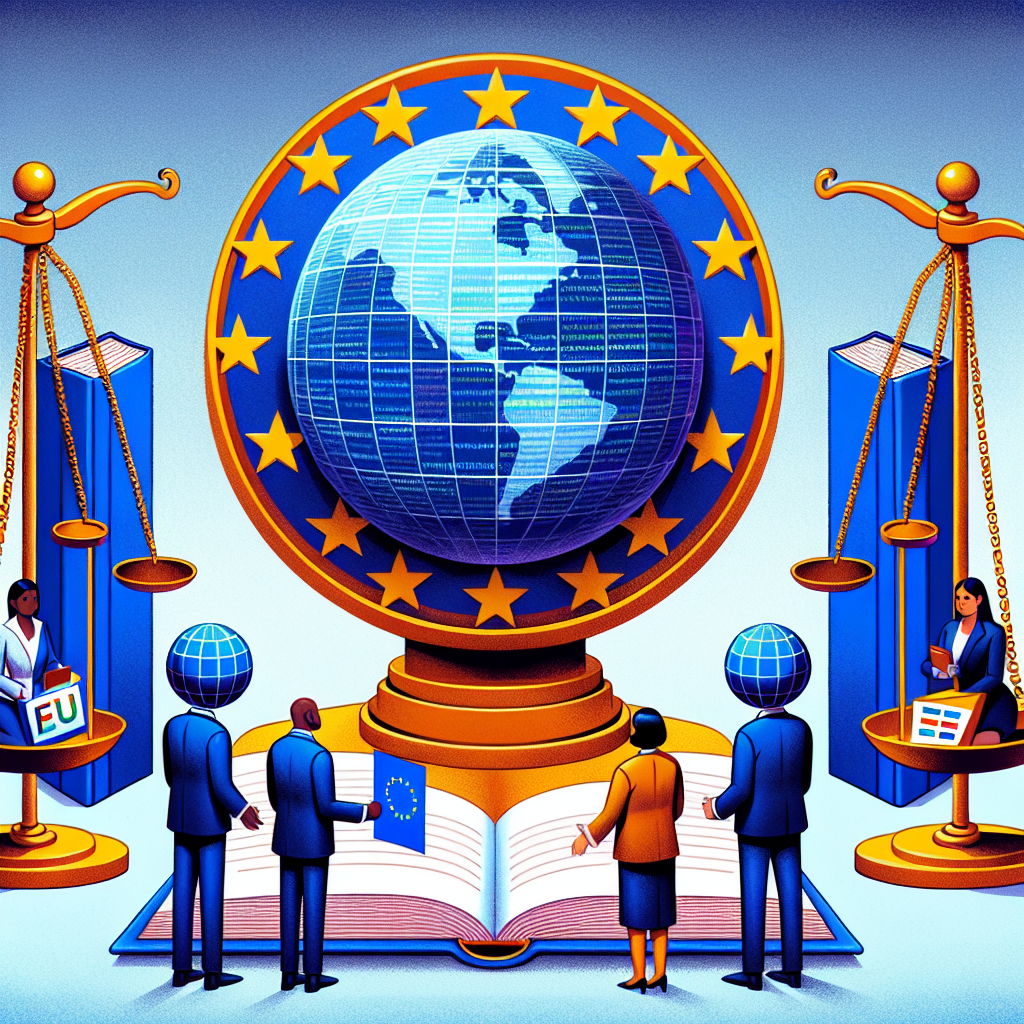
Google Under Scrutiny: EU Urged to Enforce Market Fairness Rulebook
In today’s fast-paced digital landscape, fair competition is a vital factor that can either propel or diminish the growth and innovation of tech entities worldwide. As digital powerhouses like Google hold vast influence over markets, calls for regulatory oversight have become increasingly vocal. One recent clamor emulates from Google’s rivals who are urging the European Union (EU) to strictly enforce its market fairness rules. This article delves into this pressing issue, examining why there is a call for stricter regulations and what it means for market fairness in the EU.
The Digital Marketplace and Its Gatekeeper
Understanding Google’s Market Dominance
Google, synonymous with internet search, has been a leading player in the digital marketplace for decades. Acting as more than just a search engine:
- Google controls roughly 92% of the global search engine market.
- The company’s advertising platform forms a vital component for countless businesses.
- Google’s ecosystem—spanning from email services to mobile operating systems—affords it unprecedented reach and influence.
These factors contribute to the argument that Google’s dominance may stifle competition, a core concern for its rivals advocating for a balanced playing field.
EU’s Role as a Regulator
The European Union has long been a proactive regulator, striving to shield its market from anti-competitive behavior. With its Digital Markets Act (DMA) and General Data Protection Regulation (GDPR), the EU sets stringent benchmarks for tech companies.
- The DMA aims to curb the monopolistic behavior of large digital platforms.
- Strict privacy regulations via GDPR ensure user data protection.
When effectively implemented, these rules promise to rein in tech giants like Google, ensuring fair market competition.
Market Fairness: The Main Argument
Uneven Playing Fields
Competitors argue that Google capitalizes on its market position, leveraging its platforms to disadvantage smaller firms. Key issues include:
- Search Bias: Accusations that Google manipulates search results to favor its services.
- Advertising Monopoly: Claims that the company’s advertising strategies undermine competitors.
By urging the EU to enforce its market rules, competitors aim to rectify these imbalances and foster a more level playing field.
Implications of Market Fairness
The effective application of market fairness rules can have profound impacts:
- For Consumers: More choices and competitive pricing.
- For Businesses: Fair opportunities for new entrants and sustainable growth for existing players.
- For Innovation: Break the hold of big tech to invigorate creativity and development.
The EU’s Response: What Actions are Necessary?
Enforcing Existing Regulations
The primary concern is whether existing regulations like the DMA are truly enforced. Strict adherence to these laws is crucial:
- Regular audits and checks to monitor tech giants’ activities.
- Penalties for violations that effectively deter malpractice.
Evolving the Legal Framework
Given the rapid evolution of digital markets, static regulations may soon become obsolete. Thus, the EU might consider:
- Updating current laws to reflect new digital realities.
- Creating flexible frameworks that evolve with technology changes.
Collaborative Approach
A collaborative approach, wherein stakeholders—including consumers, tech firms, and regulators—engage in dialogue, can pave the way forward. Such a strategy could involve:
- Open forums for discussion on tech policy changes.
- Advisory committees to explore digital challenges collectively.
Challenges Ahead: Why Full Implementation is Daunting
Resistance from Giants
Tech entities are often wary of regulations perceived to hinder their strategic positioning. Resistance can entail:
- Legal challenges to question the validity of regulations.
- Lobbying efforts to influence policy directions.
Technical Complexities
Implementing market rules across a diverse digital ecosystem can be technologically intricate. Challenges involve:
- Ensuring technical compliance without stifling innovation.
- Building robust monitoring systems for sustained oversight.
The Broader Global Context
Global Ripples: A Catalyst for Change?
The EU’s actions send strong signals globally, often influencing regulatory approaches in other regions:
- Action in Europe may encourage similar regulation in North America and Asia.
- Could spark a trend toward international tech regulations, aiming for uniformity in market fairness.
Google and Beyond: Addressing Broader Tech Monopolies
While Google captures attention, the broader tech duopoly involving companies like Facebook, Amazon, and Apple underscores the necessity for comprehensive oversight across the spectrum.
Conclusion: A Path Towards Fairness
In sum, the call for the EU to fully implement its market fairness rules is not merely a contest between tech giants but is reflective of broader themes involving competition, innovation, and consumer rights in the digital age. The urgency lies in keeping markets vibrant and competitive, which invites both scrutiny and strategic advancements. Igniting these changes not only nurtures growth but also ensures a fair, competitive digital future.
As these dynamics continue to unfold, stakeholders at every level must remain engaged, informed, and committed to fostering a balanced technology-driven market environment.
By highlighting the intricate dynamics of digital competition and the regulatory landscape, this article aims to inform readers while providing an insightful overview of key issues impacting the tech industry and global markets.