
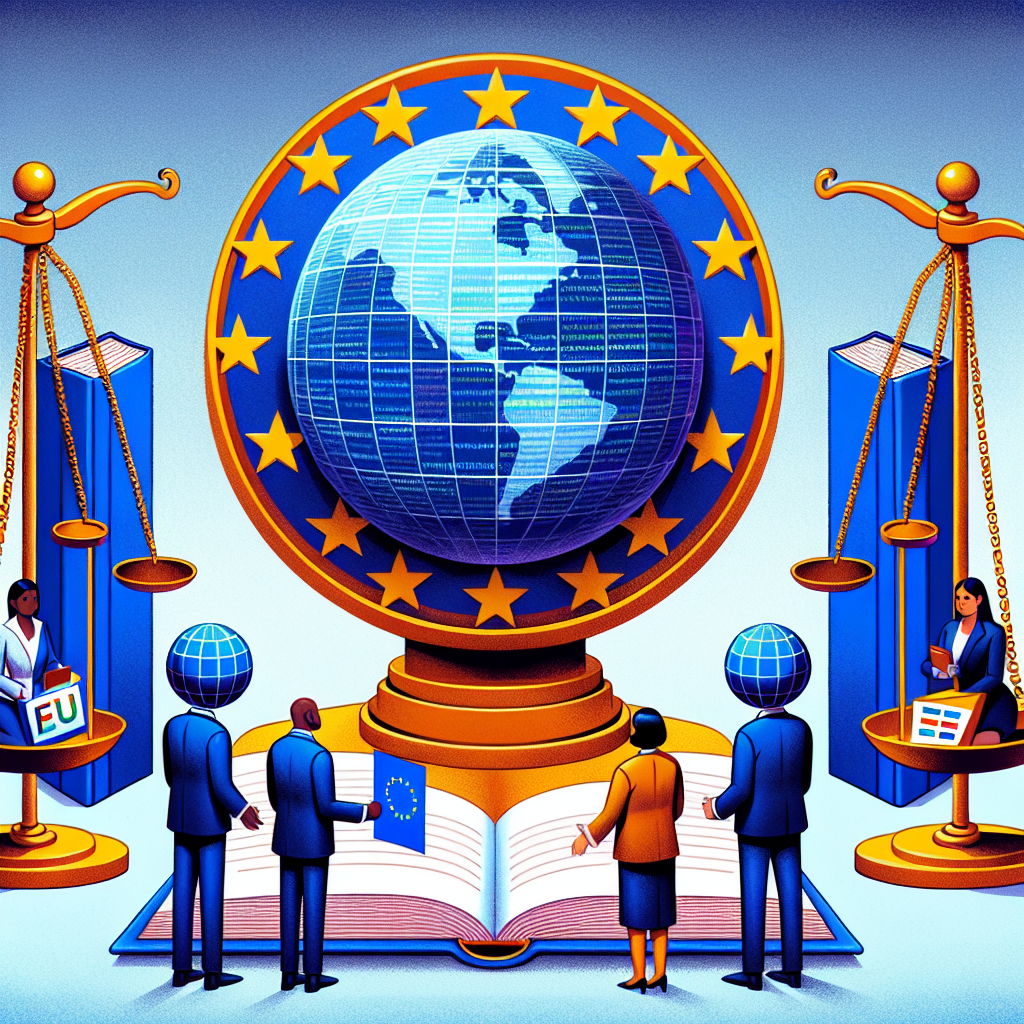
EU Must Enforce Its Market Fairness Rules on Google: The Battle for a Level Playing Field
In recent years, the European Union (EU) has positioned itself as a global advocate for digital market fairness. With tech giants like Google wielding unprecedented influence in the digital world, there’s a growing chorus of voices urging the EU to apply its market fairness rulebook more stringently. But why is this critical, and what stands to change if the EU heeds these calls? Let’s delve into this crucial conversation that could reshape the digital landscape.
The Importance of Market Fairness in the Digital Age
The digital realm is no longer a peripheral sector; it’s a central engine driving global economies. As tech behemoths grow, they control more of the data, access, and even culture that define our online experiences. Ensuring market fairness isn’t just a regulatory duty—it’s a necessity to protect innovation, competition, and consumer choice. So, why focus on Google?
Google: A Digital Powerhouse with Unmatched Influence
- Market Share: Google commands over 90% of the search engine market in Europe, illustrating its near-monopoly status.
- Advertising Control: With its vast control over digital advertising, Google influences how businesses reach consumers.
- Data Dominance: The troves of data Google holds give it a massive competitive edge, challenging even the most innovative startups.
Calls for EU’s Stringent Application of Market Fairness Rules
Several search rivals and stakeholders argue that the EU’s current enforcement mechanisms fall short when it comes to reining in Google’s influence. Here’s why they believe stricter enforcement is crucial:
Ensuring Competition and Innovation
- Promotion of Startups: A fair market environment fosters innovation by allowing smaller players to compete on an even playing field.
- Preventing Monopolistic Practices: By holding giants like Google accountable, the market remains diverse and vibrant, not dominated by a single entity.
Enhancing Consumer Choice
- Diverse Options: A fair market ensures that consumers have access to a wide range of search engines and services, each offering unique features and privacy standards.
- Better Quality: When companies compete, quality improves, benefiting the end-user with superior products and services.
The EU’s Market Fairness Rulebook: What Does It Entail?
The EU has been at the forefront of establishing frameworks aimed at promoting digital market fairness. Key components include:
The Digital Markets Act (DMA)
- Regulation Overview: The DMA is designed to address the power imbalance between major online platforms and smaller players.
- Key Provisions: Imposing anti-monopoly actions, ensuring interoperability, and promoting transparency.
General Data Protection Regulation (GDPR)
- Protecting Privacy: GDPR is renowned for its robust protection of personal data, indirectly influencing market fairness by addressing data monopolies.
- Cross-border Application: Aimed at global companies, GDPR affects even non-EU businesses operating in Europe, compelling them to adhere to fair data practices.
The Potential Impact of Enforcing Market Fairness
Taking a stricter stance on Google’s operations in the EU market could herald several changes:
Economic Implications
- Increased Competition: A more level playing field could give rise to new players, boosting economic activity and job creation.
- Investment in Innovation: With fair competition, we might see heightened investments in technological advancements from various sectors.
Social Benefits
- Enhanced User Experiences: Competition typically results in superior products, enhancing user satisfaction and trust in digital platforms.
- Cultural Diversity: Encouraging diverse service providers supports cultural representation and diversity in digital spaces.
How Google and Rivals View This Development
As one might expect, Google’s response to calls for greater regulation is nuanced:
Google’s Standpoint
- Concerns Over Fairness: Google often argues that they offer the best services simply thanks to superior technology and customer trust.
- Innovation Argument: They posit that penalizing them for success could stifle innovation.
Rivals’ Perspective
- Leveling the Playing Field: Competitors emphasize that without fairness rules being enforced, Google’s head start makes true competition nearly impossible.
- Value of Diversity: By breaking Google’s stranglehold on the market, they argue consumers will benefit from a more diversified digital ecosystem.
Looking Ahead: The EU’s Role in Shaping a Fair Digital Future
The EU stands at a crossroads, with the potential to shape the digital future not just for its millions of citizens, but for people worldwide. By enforcing its market fairness rulebook, it can ensure that no single entity wields undue power over the digital experiences that define modern life.
Conclusion
In conclusion, as the digital age continues to evolve, the call for market fairness gains urgency. The EU, with its influential regulatory frameworks like the DMA and GDPR, is poised to lead by example. A future where rules are diligently enforced is one where competition thrives, consumers benefit, and innovation flourishes. The stakes are high, and the outcomes, pivotal—not just for Europe, but for the global digital ecosystem.
By championing fairness, the EU can secure a balanced digital future, ensuring prosperity and opportunity for all.