
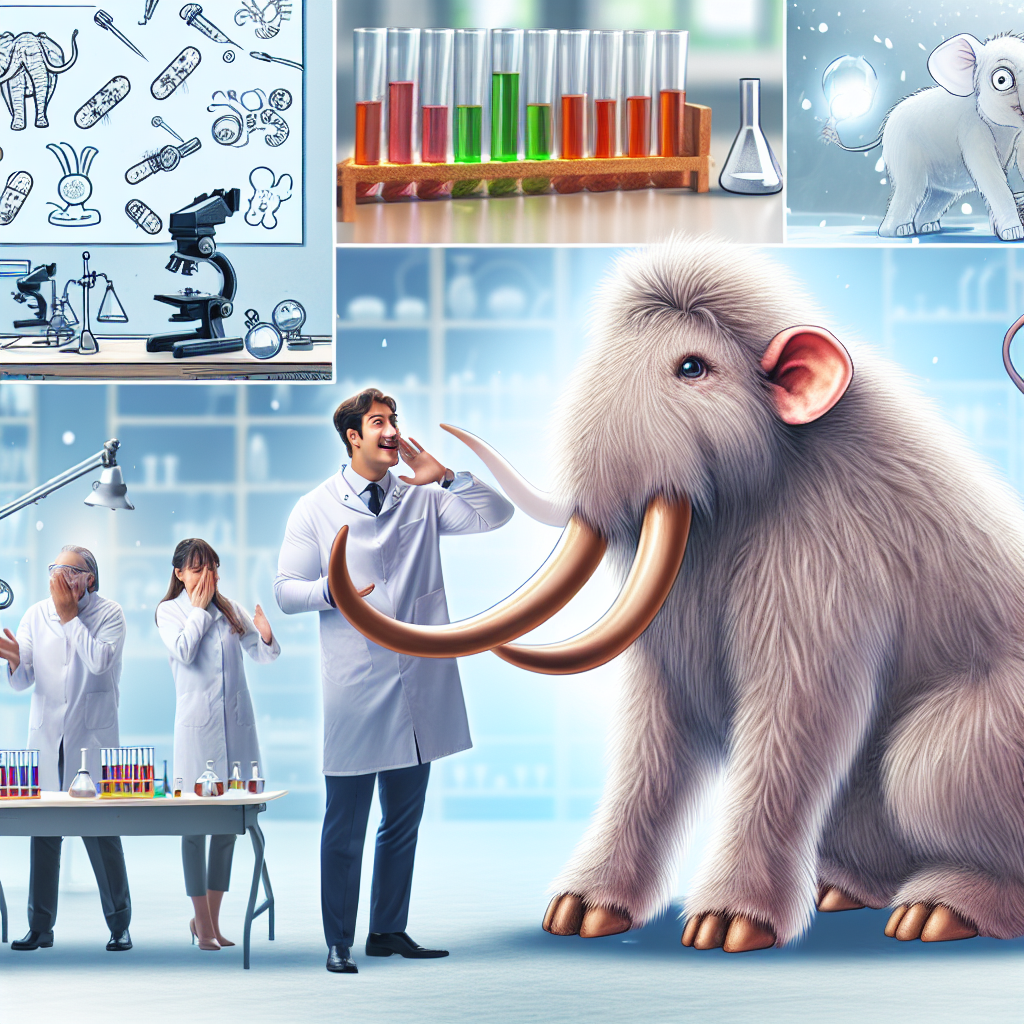
Unraveling the Past: How Colossal Biosciences Plans to Revive the Woolly Mammoth with a Woolly Mouse
Imagine traveling back in time to the icy plains of the Pleistocene epoch, where majestic woolly mammoths roamed under the vast skies. While that may sound like a plot from a science fiction movie, Colossal Biosciences is on a mission to turn fiction into reality. This biotech startup is not just daydreaming about resuscitating the long-extinct woolly mammoth but is actively laying the groundwork for their revival. And guess what? It all begins with creating a woolly mouse.
The Fascination with Woolly Mammoths
To truly understand the aim behind reviving the woolly mammoth, let’s delve deeper into why these ice-age giants captivate our imagination.
-
Iconic Status: The woolly mammoth stands as one of the most iconic prehistoric animals. Its towering stature and distinctive long hair make it a favorite among scientists and enthusiasts alike.
-
Environmental Impact: Beyond their iconic stature, mammoths played a crucial role in maintaining the ecosystem. Their grazing habits kept the Arctic tundra in check, promoting grassland growth, which further supported other species.
- Cultural Significance: These majestic creatures have greatly influenced human culture, appearing in ancient myths and modern literature, highlighting their lasting impact on human imagination.
Enter Colossal Biosciences: The Quest Begins
Who Are Colossal Biosciences?
Founded in 2021 by tech entrepreneur Ben Lamm and celebrated geneticist George Church, Colossal Biosciences burst onto the scene with audacious ambitions. Their primary mission? To leverage cutting-edge genetics and biotechnology to revive extinct species, starting with the woolly mammoth.
Core Technologies and Methodologies:
-
CRISPR Gene Editing: By using CRISPR, a pioneering gene-editing technology, scientists plan on splicing woolly mammoth genes into the genome of their closest living relative, the Asian elephant.
- Tissue Engineering: This involves creating living tissues from stem cells, an essential step in the de-extinction process.
Why Start with a Woolly Mouse?
Starting with a woolly mouse may seem an odd choice, but it serves several critical purposes:
-
Proof of Concept: Demonstrating that mammoth traits can be successfully transferred to a more manageable species is a crucial first step.
-
Scaled Testing: Mice have shorter lifespans and breed quickly, providing ample opportunity to observe how the mammoth genes express themselves.
- Avoiding Ethical Dilemmas: Testing on a smaller and less sentient creature helps sidestep the major ethical concerns associated with genetic testing on larger mammals.
Scientific Journey to Revival: Step by Step
Understanding the Genome of the Woolly Mammoth
Before embarking on a revival, a comprehensive map of the woolly mammoth’s genome is crucial. Through projects like the Mammoth Genome Project, scientists have sequenced several samples of woolly mammoth DNA extracted from permafrost-preserved specimens.
-
Preservation Challenges: DNA degrades over time, making extraction challenging. Advanced techniques and innovations continue to offer better insights.
- Cross-referencing: The mammoth DNA is compared with that of the Asian elephant to identify critical genes responsible for the distinct traits of woolly mammoths.
Genetic Cross-Breeding: The Core Procedure
From learning to doing, let’s break down the methodologies:
CRISPR-Cas9: Beyond Science Fiction
Using the CRISPR-Cas9 technology, scientists can snip bits of DNA at precise locations, offering potential like never before.
-
Precision: This precision allows scientists to embed specific mammoth genes—like hair growth—directly into a mouse genome.
- Flexibility: Advanced computational models predict how these genes will behave once expressed, guiding scientists to refine their approach.
From Woolly Mouse to Woolly Mammoth
The woolly mouse is just part of this vast venture. As understanding and techniques improve, these foundational learnings will be applied to larger creatures, paving the way to eventually resurrect the woolly mammoth.
Ethical and Environmental Considerations
Reviving extinct species presents not just scientific challenges but ethical and environmental ones as well.
Ethical Dimensions
-
Animal Welfare: The possible pain and suffering of animals in laboratory settings is a significant ethical concern.
- Playing God?: The morality of de-extinction is hotly debated. Should humans interfere in natural processes that render species extinct?
Environmental Impact
-
Ecosystem Balance: Introducing species like the woolly mammoth could significantly alter current ecosystems. While some argue they could help restore lost Arctic grasslands, others warn of unintended consequences.
- Biodiversity Boost: On a positive note, reintroducing extinct species might boost biodiversity in specific areas, benefiting associated flora and fauna.
The Road Ahead
Embarking on a project of this magnitude is arduous, yet it presents immense possibilities. Here’s what might unfold next:
-
Collaborative Efforts: Colossal Biosciences isn’t alone. International collaborations could see expansion, pooling resources and expertise.
-
Expanded Technology Use: As technology advances, so will the methodologies. From AI simulations to advanced CRISPR applications, the future is promising.
- Public Engagement: The quest to revive the woolly mammoth could spark renewed public interest in conservation, drawing attention to current endangered species.
Conclusion: A Brave New World?
As Colossal Biosciences forges ahead on its quest, the dream of seeing woolly mammoths roam the earth once more is gradually inching towards reality. Their strategy of starting with a woolly mouse not only underscores their innovative approaches but highlights the careful balance required between scientific endeavor and ethical responsibility.
Whether you support, oppose, or are just curious about the revival of extinct species, this incredible journey offers insight into the capabilities of modern science and a peek into a potential future where the boundaries of biology are redefined.
Sign-up for our newsletter to stay updated on the latest developments in genetics, de-extinction, and beyond.
This article delves into Colossal Biosciences’ project to revive the woolly mammoth using a woolly mouse, ensuring SEO optimization and reader engagement by addressing crucial scientific, ethical, and environmental aspects.