
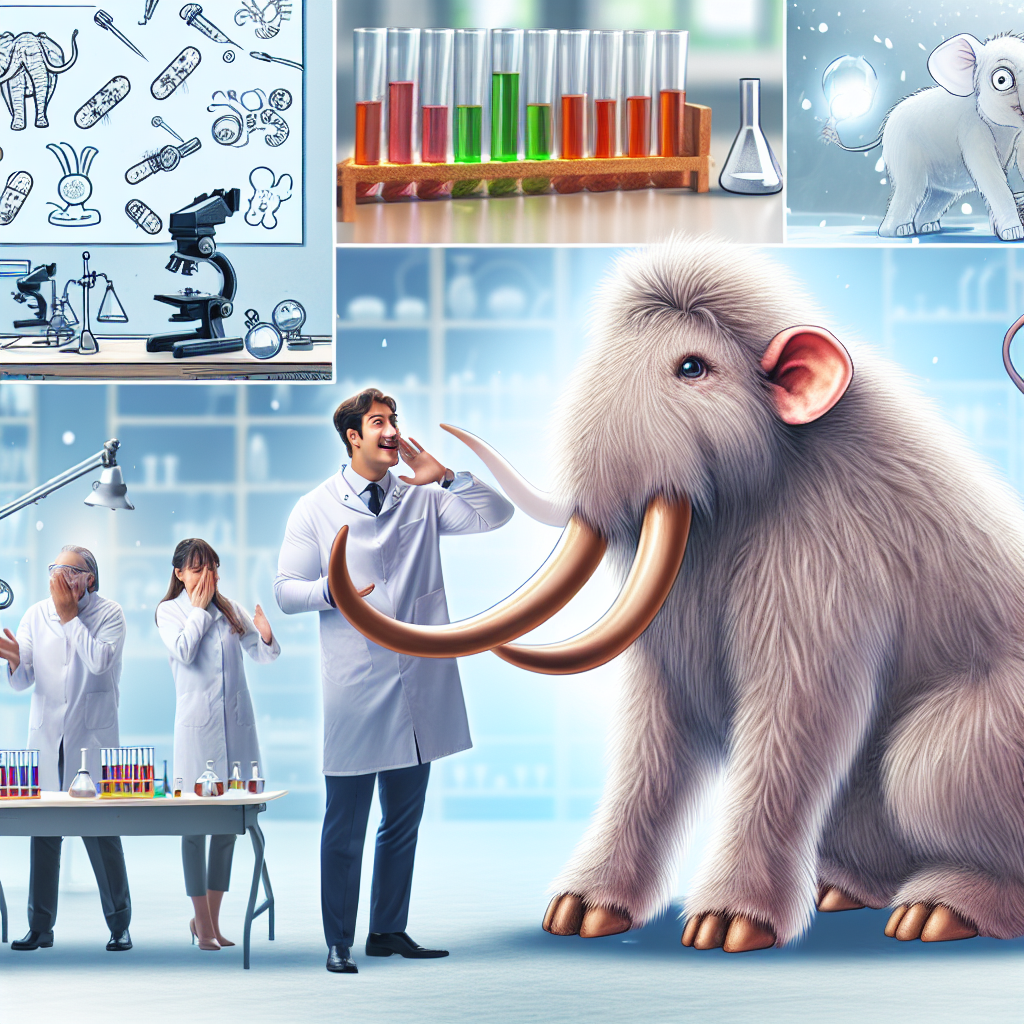
Reviving the Ice Age: Colossal Biosciences’ Ambitious Journey from Woolly Mouse to Woolly Mammoth
The idea of resurrecting extinct species has long fascinated scientists and the public alike. Imagine a world where the iconic woolly mammoth roams the Earth once more. Colossal Biosciences, a cutting-edge biotech company, is taking strides in this direction, having recently created what can be dubbed a "woolly mouse." This remarkable achievement brings us a step closer to de-extincting the woolly mammoth, merging science fiction dreams with reality.
In this article, we’ll delve into Colossal Biosciences’ revolutionary work. We will explore the significance of their recent creation, the woolly mouse, and how it plays a crucial role in the ambitious quest to bring the woolly mammoth back to life. Follow along as we uncover the implications, challenges, and the futuristic vision that this venture brings to the table.
Understanding the Mammoth Project
What is De-Extinction?
De-extinction, also known as resurrection biology, involves the process of reviving extinct species through advanced technological and genetic methodologies. The primary aim is to restore biodiversity and balance ecosystems, potentially reversing some detrimental impacts humans have inflicted on the planet.
How De-Extinction Works:
- DNA Extraction: Harvesting viable DNA from preserved specimens such as bones or frozen remains.
- CRISPR Gene Editing: Using technologies like CRISPR to splice specific mammoth genes with those of closely related existing species, such as the Asian elephant.
- Surrogate Breeding: Implanting edited embryos into surrogate mothers to birth a hybrid creature.
Why the Woolly Mammoth?
The woolly mammoth, a majestic creature from the last Ice Age, holds ecological importance and serves as a symbol of lost species we could potentially save. Reviving mammoths could help restore northern tundra regions, wherein they once played a crucial role in maintaining grasslands.
Benefits of Restoring the Woolly Mammoth:
- Ecosystem Restoration: Restoration of the mammoth’s natural habitat, contributing to a healthier ecosystem.
- Climate Change Mitigation: Mammoths could potentially help combat climate change by preventing permafrost melting.
- Scientific Advancements: Paving the way for breakthroughs in genetic engineering, medicine, and conservation efforts.
Colossal Biosciences: Pioneers in Genomic Canvassing
Meet Colossal Biosciences
Founded with a vision to develop transformative biotechnology, Colossal Biosciences has garnered attention as a pioneer in the field of de-extinction. Their goal isn’t just to revive the woolly mammoth, but to set the stage for a future where extinct animals become part of our visible world once again.
Key Goals of Colossal Biosciences:
- Scientific Innovation: Developing cutting-edge genetic technologies.
- Biodiversity Restoration: Addressing biodiversity loss via gene restoration and ecological balance.
The Creation of the Woolly Mouse
In a stunning breakthrough, Colossal Biosciences announced the development of a “woolly mouse.” This creature represents a significant milestone in the company’s quest to achieve de-extinction.
How They Did It:
- Gene Selection: Identification of mammoth-specific genes responsible for traits like thick fur and cold resistance.
- Gene Splicing: Introducing these genes into the DNA of mice, creating a hybrid mammalian model.
- Results: The woolly mouse demonstrates successful expression of mammoth-like traits, validating the process for larger endeavors.
The Implications: What the Woolly Mouse Means for Science and Society
Steps Toward Resurrecting the Woolly Mammoth
The woolly mouse serves as a proof of concept, showcasing the feasibility of applying similar techniques to other mammals. This marks a crucial step in Colossal’s journey toward resurrecting the woolly mammoth.
Next Steps in the Process:
- Scaling Up Genes: Expand genetic modifications to larger mammal models.
- Increasing Gene Complexity: Enhance the genetic traits to capture more aspects of the mammoth’s characteristics.
- Ethical Considerations: Address ethical and ecological concerns associated with bringing extinct species back.
Ethical and Environmental Considerations
While the idea of seeing woolly mammoths once more excites many, it also comes with a host of ethical and environmental considerations.
Ethical Debates:
- Biodiversity Integrity: Ensuring the introduction of such species doesn’t disrupt existing ecosystems.
- Animal Welfare: Considerations surrounding the creation and maintenance of genetically modified animals.
Environmental Consequences:
- Tundra Transition: Assessing how ecosystems will adapt to the reintroduction of an ancient species.
- Permafrost and Global Warming: The potential for mammoths to help slow permafrost thawing and reduce atmospheric carbon.
The Future of De-Extinction: Looking Ahead
Potential for Broader Impact
Colossal Biosciences’ bold pursuit not only aims to resurrect mammoths but also opens the doors for the de-extinction of other animals. Their work suggests a future where biodiversity restoration becomes feasible in a world facing mass extinctions.
Applications Beyond Mammoths:
- Other Extinct Species: Prospect of reviving birds like the passenger pigeon.
- Genetic Conservation: Using gene technologies for at-risk species like rhinos and tigers.
Conclusion: A Bold Vision
The creation of the woolly mouse sets precedent for one of humanity’s most fascinating and potentially revolutionary scientific endeavors. As Colossal Biosciences forges ahead on its mission to bring back the majestic woolly mammoth, the world watches eagerly. De-extinction is no longer a distant dream; it stands on the precipice of reality, bringing with it a surge of innovation, hope, and responsibility for the future of life on Earth.