
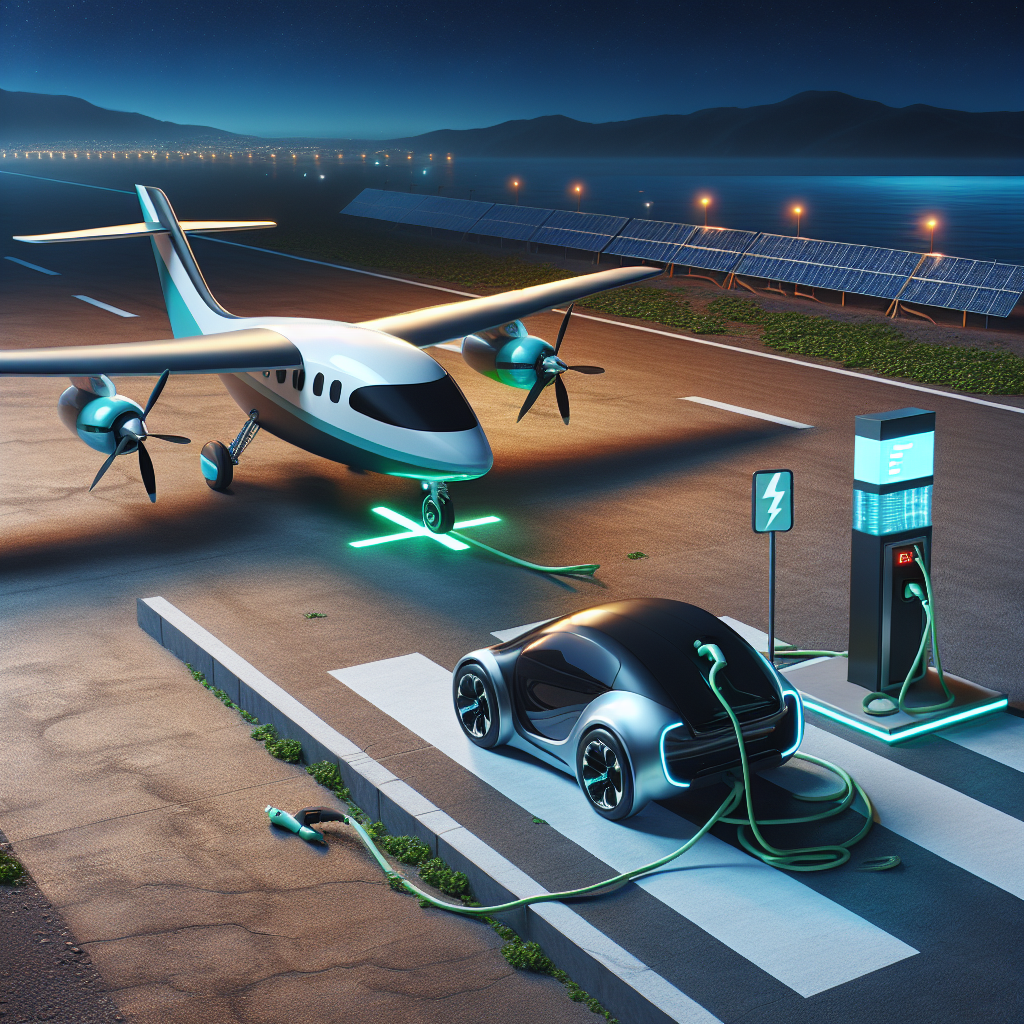
Electric Flight Revolution: Beta Technologies’ Ambitious Moves and Hyundai’s Charging Dilemma with Tesla
In the rapidly evolving landscape of sustainable transportation, Beta Technologies and Hyundai are making significant strides. Each is confronting unique challenges in their quest for innovation. While Beta Technologies aims to conquer the skies with electric aviation, Hyundai faces a surprising obstacle in the realm of EV charging ports. This article delves into how these two companies are shaping the future of electric transport and where they might be facing turbulence.
Beta Technologies: Pioneering the Electric Aviation Sector
Electric aviation is a concept that promises to transform how we perceive air travel. It is an area of technological advancement spearheaded by innovators like Beta Technologies. The company’s focus is on developing electric vertical takeoff and landing (eVTOL) aircraft, a revolutionary approach that could drastically cut carbon emissions and reduce noise pollution in urban environments.
The Vision Behind Beta Technologies
Beta Technologies, helmed by founder Kyle Clark, envisions a sustainable future where electric flying machines are as common as electric vehicles on the road today. Their eVTOL aircraft, named ALIA, is designed to cater to cargo and passenger transit, offering an eco-friendly alternative with its zero-emissions profile.
- Zero-Emissions future: As aviation is a significant contributor to global emissions, Beta’s intent to electrify flight could mark a monumental shift.
- Urban Mobility Revolution: With urban areas becoming more congested, eVTOLs offer a vertical solution to horizontal traffic problems.
- Reduced Noise Pollution: Thanks to their electric engines, these aircraft operate much quieter than traditional helicopters and planes.
Technical Marvel: The ALIA-250
The ALIA-250 is the flagship model and epitomizes the company’s technological prowess. Here’s what makes it exceptional:
- Electric Propulsion System: Utilizes a cutting-edge electric propulsion system that enables vertical takeoff and landing capabilities.
- Sustainable Design: Built with lightweight materials to improve energy efficiency and increase flight range.
- Modular Capabilities: Offers adaptability for use in medical transport, cargo delivery, or even passenger flights.
Partnerships and Collaborations
Beta Technologies understands that partnerships are crucial for advancing electric aviation.
- UPS Collaboration: With a recent order from UPS, Beta aims to revolutionize logistics with faster and greener deliveries.
- Cargo and Passenger Scope: Progressive partnerships are focusing on both cargo solutions and passenger services, hinting at an upcoming broader implementation.
Hyundai’s Charge with Tesla’s Port: An Ill-Fitting Puzzle
While Beta Technologies is soaring high with innovation, Hyundai encounters a ground-level challenge: integrating successfully with Tesla’s popular charging network.
The Complexity of Charging Port Standards
EV charging standards are a significant roadblock for many automakers. Hyundai’s ambitious intent to adopt Tesla’s charging port, or North American Charging Standard (NACS), has led to mixed outcomes.
- Cross-Compatibility Issues: The struggle to seamlessly fit critical charging infrastructure exposes a larger problem of uniformity in the EV industry.
- Consumer Confidence: Charging hassles could lead to consumer dissatisfaction, impacting Hyundai’s reputation in the electric vehicle market.
Pros and Cons of Adopting Tesla’s NACS
The decision to incorporate Tesla’s charging infrastructure was a bold move, but it presents a double-edged sword for Hyundai.
Advantages:
- Wider Network Access: Aligning with Tesla could have opened Hyundai to a vast and established charging network, thus removing range anxiety.
- Enhanced Brand Image: Partnership with Tesla, a leader in EV technology, could have elevated Hyundai’s standing among eco-conscious consumers.
Drawbacks:
- Technical Integration Challenges: Differing technologies lead to compatibility issues, making the integration difficult.
- Potential for Increased Costs: The need for adaptation can escalate production and maintenance costs for Hyundai.
Electric Future: The Road and Sky Ahead
Both Beta Technologies and Hyundai are addressing crucial aspects of a sustainable future but face distinctive challenges in their respective domains.
Aviation’s Green Horizon
Beta Technologies is persistently pushing the boundaries of what’s possible in electric flight. The increasing concern for sustainability will undeniably bolster interest and investment in airborne EVs.
- Investment Influx: As fossil fuel regulations tighten globally, investments in eVTOLs may skyrocket.
- Policy Support: Governments’ interest in reducing emissions supports innovation in electric aviation technology.
The EV Charging Landscape
For Hyundai, the experience with Tesla highlights a pivotal struggle with EV infrastructure, echoing a broader industry issue.
- Standardization Need: This incident underscores the dire need for standardized charging solutions across all EV manufacturers to ensure smoother, consumer-friendly experiences.
- Future Collaborations: Hyundai and others will have to work in consort with policymakers and innovators like Tesla to resolve such industry-wide issues.
Conclusion: A Tale of Two Electric Dreams
The stories of Beta Technologies and Hyundai represent two facets of the electric revolution: the sky-bound ambition of cleaner flight and the ground-level challenges of EV infrastructure. While Beta Technologies pioneers in the air, Hyundai’s trials with Tesla’s port emphasize the hurdles on the ground.
As these entities push forward, the broader landscape of electric transportation will undoubtedly continue to evolve, driven by technological innovation and the relentless pursuit of sustainability. In the end, success will likely be determined not just by technological advancements, but by how seamlessly these innovations can be integrated into everyday life.
Let us watch intently as these brands continue to roll out their plans, and redefine the future of green mobility.
These developments are ushering in an exciting era for transport enthusiasts and environmental advocates alike, holding the promise of a cleaner, greener world. Stay tuned for more updates on this electrifying journey!