
Why Elon Musk Couldn’t Block OpenAI’s For-Profit Move
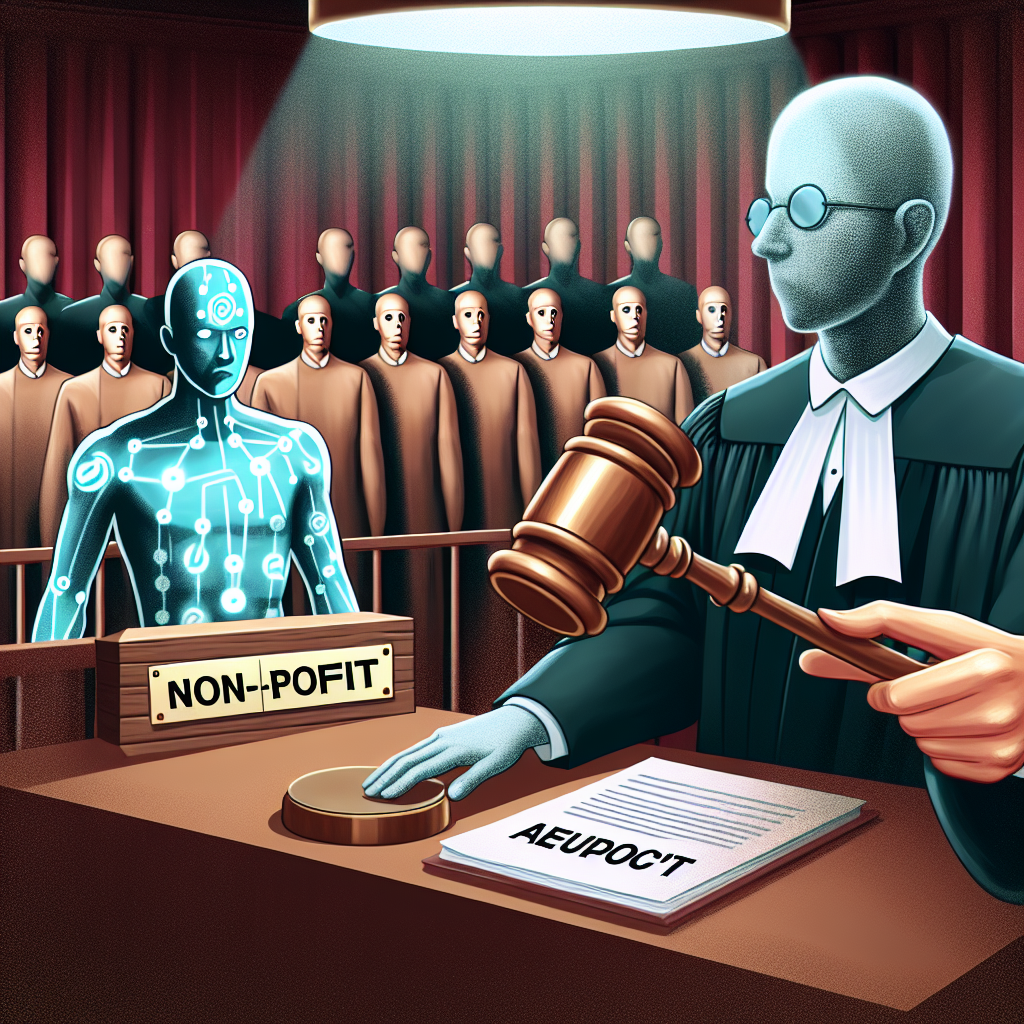
In recent tech news, a heated legal battle involving some of the most prominent figures in the tech industry has taken center stage. Elon Musk’s attempt to block OpenAI’s transition into a for-profit entity was met with a legal setback as a judge rejected his efforts. This outcome has captivated the tech community, raising important discussions about AI development, ethics, and the business models driving innovation.
The Background: OpenAI’s Journey and Musk’s Concerns
OpenAI was founded in December 2015 as a non-profit organization with a bold mission: to ensure that artificial general intelligence (AGI) benefits all of humanity. Among its co-founders was Elon Musk, who has long been vocal about his cautionary stance on AI.
Understanding OpenAI’s Evolution
When OpenAI started, it was a research lab dedicated to AI advancement without direct commercial interests. Their ambition was to create cutting-edge AI technologies that could be shared openly and beneficially. However, this model faced challenges:
- Resource Intensity: AI research is expensive, often requiring substantial computational resources and attracting top-tier talent.
- Competitive Landscape: Major tech companies were investing heavily in AI, making it essential for OpenAI to adapt or lag behind.
Musk’s Standpoint
Elon Musk, a visionary yet often cautious voice in tech, raised concerns about OpenAI’s shift to a for-profit model:
- Ethical Concerns: Musk has always emphasized the ethical implications of AI and was wary that profit motives might overshadow moral considerations.
- Corporate Influence: He feared potential overreach by corporate interests, which might diverge from OpenAI’s foundational ethos.
The Court’s Decision: Why the Judge Rejected Musk’s Attempt
The courtroom drama unfolded as Musk sought to prevent OpenAI’s transition into a for-profit entity. However, the judge ruled against him, and here’s why:
Legal and Structural Grounds
-
Corporate Rights: OpenAI’s bylaws allowed for structural changes. The transition to a "capped-profit" model—OpenAI LP—was legally sanctioned and designed to align financial incentives with their philanthropic mission.
- Board Decisions: The board’s decision was made following internal processes, and the shift was purportedly essential to attract investors and keep pace with competitors like Google and Facebook.
Implications for AI and Business
-
Innovation Through Investment: The judge acknowledged that transitioning to a profit-driven model would enable OpenAI to secure the funding necessary for groundbreaking AI research.
- Balancing Profit with Purpose: OpenAI introduced the "Capped-Profit" model where returns to investors are capped. Once the cap is reached, any additional returns are reinvested into the AI mission.
What This Means for the Future of AI
The court ruling has far-reaching implications not just for OpenAI but for the broader tech landscape:
A New Paradigm in AI Funding
This shift highlights a novel funding model that other AI and tech research firms may follow. Balancing profit incentives while staying true to foundational principles could serve as a blueprint for future organizations:
-
Attracting Investment: By allowing for-profit investments, OpenAI can access larger capital reserves, fostering further innovation.
- Ethical AI Development: Despite the shift, a promise remains to focus on AI safety and benefit society at large.
Elon Musk: A Reluctant Pioneer
Though he lost this legal battle, Musk’s consistent focus on ethical AI has spurred a deeper dialogue in the industry about how AI technologies should develop. His influence continues to shape:
-
Global AI Policy: Activism from influential figures like Musk helps ensure AI remains a tool for societal good.
- Cross-Industry Collaboration: Promoting dialogues between tech giants and policymakers to maintain ethical standards.
The Road Ahead: An Opportunity for Dialogue
This courtroom saga isn’t merely about corporate transitions; it’s a clarion call for discussions on AI’s role in society and the ethical lines that must be drawn.
Engaging the Public and Industry Experts
-
Public Forums: Platforms for multi-stakeholder engagement, including the public, to discuss AI futures are vital.
- Industry Conferences: More platforms like the AI Alignment Forum could emerge, fostering dialogue among AI researchers, ethicists, and corporate leaders.
Monitoring and Evaluation
-
Regular Oversight: Evaluating OpenAI’s adherence to its ethical mission despite its for-profit orientation is critical.
- Independent Audits: Encouraging third-party audits to assure stakeholders that the capped-profit model operates transparently and fairly.
In conclusion, while Elon Musk’s attempt to thwart OpenAI’s for-profit transition was unsuccessful, it has brought forth essential dialogues about the future of AI development, ethical business models, and the implications for society. As OpenAI moves forward with its evolution, the tech world will be watching closely, eager to see how well it balances its ambitious vision with ethical implementation. This episode serves as a reminder of the complexity of integrating cutting-edge technology within the frameworks of profit and purpose.