
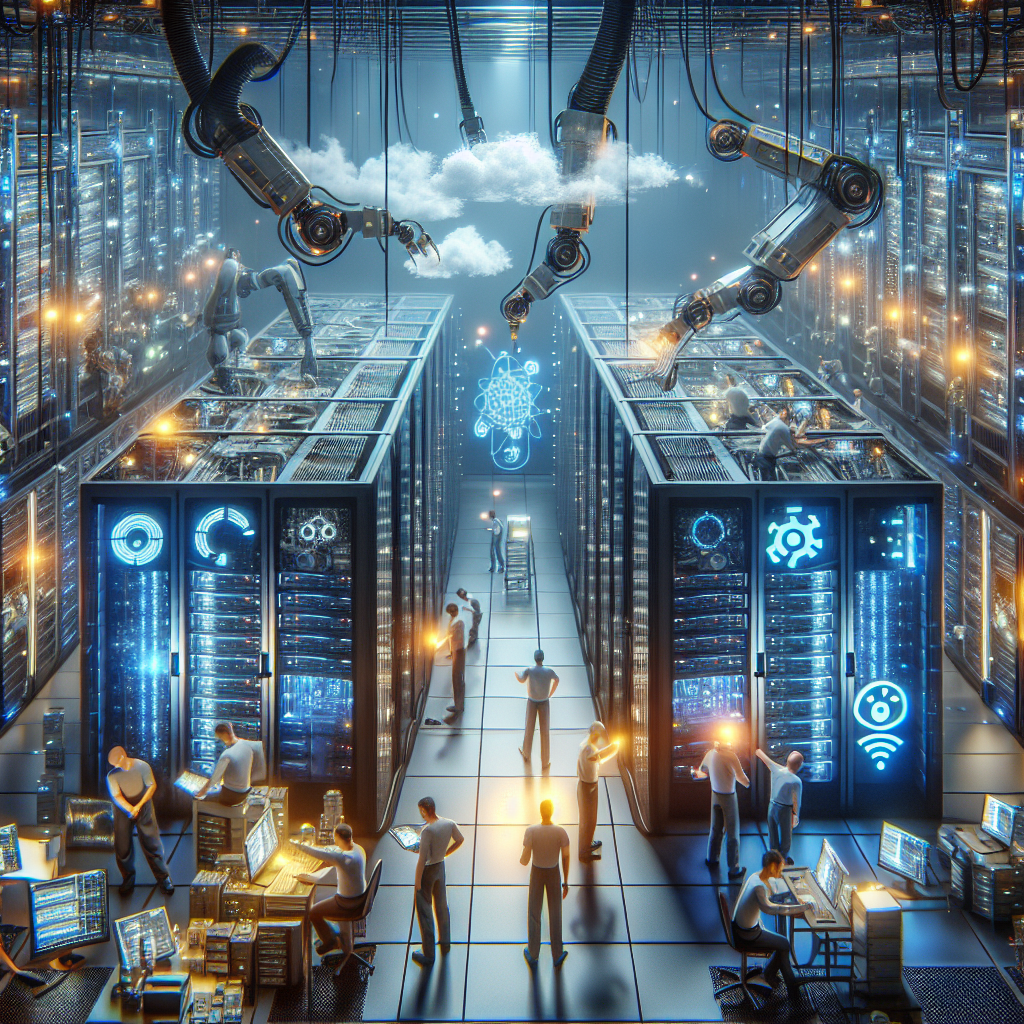
Unlocking 76 GW of New Power Capacity: How Simple Data Center Tweaks Could Revolutionize Energy Efficiency in the U.S.
In the rapidly evolving world of technology, data centers serve as the backbone of our digital society. From streaming your favorite show to storing crucial business data, these facilities manage the flow of information that fuels our economy. However, they also consume an astounding amount of energy—representing nearly 2% of the total electricity consumption in the U.S. But what if some minor tweaks could unleash a massive 76 GW of new power capacity? Let’s delve into how optimizing data centers can reshape the United States’ energy landscape.
Understanding the Current Energy Consumption in Data Centers
Before we dive deep into the potential solutions, it’s essential to grasp how data centers use energy today.
What Constitutes a Data Center?
A data center is a facility that houses:
- Servers: The backbone performing computations and data storage.
- Networking Equipment: Facilitates communication within and outside the data center.
- Cooling Systems: Ensures the equipment runs within safe temperature limits.
- Power Supply Systems: Provides a constant energy flow and ensures backup.
Energy Consumption Breakdown
Cooling: the Hotspot in Power Usage
Approximately 40% of the total energy consumption in data centers is dedicated solely to cooling systems. These systems work tirelessly to prevent servers from overheating, which can lead to data loss, hardware failure, and costly downtimes.
Computing and Storage
With the explosion of big data, cloud computing, and internet-of-things (IoT) applications, the demand for computing power and storage solutions is ever-increasing. As servers work harder, they draw more electricity, adding to the total energy usage of data centers.
Network Management
Network equipment such as routers, switches, and modems are always active, consuming power 24/7 to maintain uninterrupted data flow and connectivity.
Potential Tweaks to Unleash 76 GW of New Power Capacity
Enabling data centers to become more energy-efficient requires focused strategies. These involve both technological advancements and innovative management practices.
Advanced Cooling Technologies
Liquid Cooling Systems
Replacing traditional air-based cooling systems with liquid cooling technologies offers significant energy savings. Liquid is a more efficient conductor of heat, meaning less energy is needed to maintain optimal temperatures.
Free Cooling
Implementing free cooling technologies that utilize natural environmental temperatures can cut down energy expenses. For instance, water from nearby lakes or cool air during nighttime in colder regions can be harnessed to keep data centers cool.
Energy-Efficient Hardware
More Efficient Servers and Network Equipment
- Manufacturers can implement designs that consume less power.
- Investing in energy-efficient routers and switches can reduce energy needs per piece of equipment.
Virtualization and Cloud Computing
- Server Virtualization: Allows multiple virtual servers to run on a single physical server, reducing the total number of physical machines needed and their power consumption.
- Migrating to the Cloud: Centralizing processes can lead to a net decrease in energy consumption.
Strategic Location and Facility Design
Strategically locating data centers in cooler climates or regions with renewable energy sources can lead to massive power savings.
- On-Site Renewable Energy Generation: Incorporating solar panels or wind turbines can reduce reliance on traditional energy grids.
- Efficient Layouts: Designing the layout to maximize airflow and minimize obstacles can reduce cooling needs.
Data Center Management Practices
Educating data center managers and implementing guidelines focusing on energy efficiency can also play a crucial role.
- Regular Energy Efficiency Audits: Tuning and optimizing equipment settings based on detailed audits can identify areas of improvement.
- Automated Monitoring Systems: Using AI and machine learning to predict power peaks and adjust system settings accordingly.
The Future Impact: Reshaping the U.S. Energy Landscape
Economic Benefits
Adopting these efficiency improvements can significantly lower energy bills for data center operators, boosting profits and stimulating further investment in advanced technologies.
Environmental Impact
By conserving energy, we can slash the data center’s carbon footprint—critical in the fight against climate change.
- Lower Greenhouse Gas Emissions: Reducing energy reliance leads to fewer emissions from power plants.
- Conservation of Natural Resources: Less energy use translates to a diminished need for raw materials, water, and land use.
Enhancing Grid Stability
By optimizing data centers, a substantial power surplus might be available for reallocation, enhancing the national grid’s stability and ability to support growing residential and industrial demands.
Conclusion: A Step Towards a Sustainable Future
Optimizing data centers is no small task, but the potential to unlock 76 GW of new power capacity is an opportunity the U.S. cannot afford to miss. Through a combination of technological enhancements, mindful site selection, and efficient management practices, data centers can usher in an era marked by both digital expansion and sustainability. As we stride into a tech-dominated future, focusing on energy efficiencies will be crucial, serving not only economic interests but also securing a healthier planet for generations to come.
Incorporate these changes, and U.S. data centers could become torchbearers for global innovation in energy efficiency—shaping a brighter, more sustainable tomorrow.