
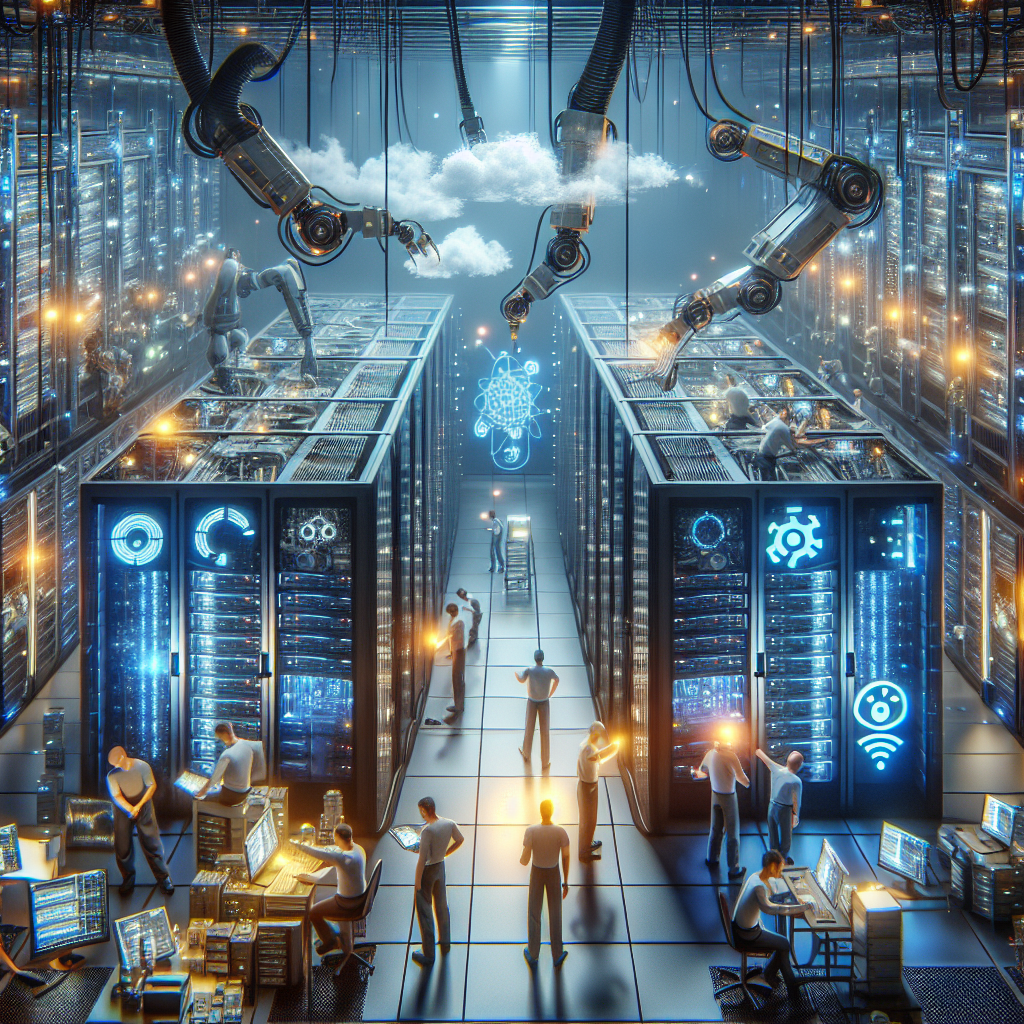
Unlocking Potential: How Data Center Tweaks Could Release 76 GW of New Power in the U.S.
Data centers form the backbone of our rapidly digitizing world, processing and storing vast amounts of data every second. As cloud services, e-commerce, streaming platforms, and online communications continue to grow, the demand for these centers is soaring. However, this increased demand poses a significant challenge: the power capacity needed to sustain them. Remarkably, small adjustments and tweaks within U.S. data centers could potentially unlock an additional 76 gigawatts (GW) of power capacity. But how is this possible, and what are the implications?
Understanding the Current Data Center Landscape
The digital age has ushered in an era where data is the new currency, making data centers crucial. Here, we’ll delve into the role data centers play and their current energy consumption patterns.
What Are Data Centers?
At their core, data centers are facilities used to house computer systems and associated components, such as telecommunications and storage systems. They provide vital computing infrastructure for everything from small local firms to vast international corporations.
- Types of data centers:
- Enterprise Data Centers: Built and operated by companies to serve their own data processing and storage needs.
- Colocation Data Centers: Offer open spaces within the facility for hosting multiple tenants’ equipment.
- Hyperscale Data Centers: Massive, often running on tens of thousands of servers, offering powerful computing with high power capacity.
The Energy Challenge
The thirst for more data comes with increased energy consumption. Currently, data centers globally consume approximately 200 terawatt-hours (TWh) of energy per year, equivalent to about 1% of global electricity demand.
- Why so energy-intensive?
- Cooling Requirements: Servers generate a lot of heat, necessitating robust cooling solutions.
- Continuous Operations: Many data centers run 24/7, requiring non-stop power.
- Inefficient Legacy Systems: Older systems are often not optimized for energy efficiency.
The Promise of 76 GW: A Game-Changer for Energy-Efficiency
While data centers are often seen as power-hungry giants, a fascinating opportunity exists to optimize and enhance their energy efficiency significantly.
How Can 76 GW Be Unlocked?
Unlocking an additional 76 GW of power capacity isn’t derived from simply increasing energy generation; instead, it comes from smart power optimization strategies.
Strategies to Unlock Power Capacity:
- Retrofitting Facilities: Updating infrastructure, especially cooling and electrical systems, to more energy-efficient models.
- Virtualization: Running multiple virtual machines on a single server, reducing the need for numerous physical servers.
- Server Optimization: Replacing or upgrading inefficient servers.
Sustainable Power Solutions:
- Adopting Renewable Energy Sources: Solar, wind, and hydroelectric power can provide sustainable alternatives.
- Battery Storage Technology: Using batteries to store energy ensures that data centers can efficiently use renewable power when the sun isn’t shining or the wind isn’t blowing.
Operational Tactics:
- Load Balancing: Even distribution of workloads across servers ensures no single server gets overwhelmed, leading to energy savings.
- Selective Shutdowns: Temporarily shutting down underutilized servers or portions of the data center during low-demand periods.
Potential Impacts on the Economy and Environment
Releasing an extra 76 GW of power capacity is more than just an engineering feat. It has broader implications for both the economy and the environment.
Economic Benefits
Enhancing efficiency can position the U.S. as a leader in sustainable technology. Here’s how:
- Cost Savings: By reducing energy usage, data centers can significantly lower operational costs, saving billions annually.
- Job Creation: The drive towards green technology in data centers could create new jobs in renewable energy, engineering, and IT sectors.
Environmental Advantages
Making data centers more energy-efficient has significant environmental benefits, aiding in global climate goals.
- Reduced Carbon Footprint: Less energy consumption means lower greenhouse gas emissions.
- Conservation of Natural Resources: Using less energy reduces the strain on natural resources, making it a more sustainable choice.
Overcoming Challenges to Achieve These Tweaks
While the potential benefits are enormous, implementing these changes across the massive infrastructure of U.S. data centers is not without its challenges.
Financial Investments
- Initial Costs: The upfront investment required for new equipment and retraining staff can be substantial.
Technological Adaptations
- Integration Issues: New technology must be thoroughly integrated with existing systems without causing disruptions.
Regulatory Hurdles
- Compliance and Standards: Ensuring new technologies meet industry standards and regulations can be complex and time-consuming.
Conclusion: A Path Forward
Unlocking an additional 76 GW of power from data centers signifies a promising step towards a more sustainable and efficient energy future in the U.S. This challenge embodies a fusion of innovation, technology, and strategic planning. As stakeholders from government, business, and environmental sectors come together, these tweaks offer an unprecedented opportunity to transform how data centers operate.
Embracing energy efficiency might just illuminate the next chapter of the digital revolution, ensuring that our systems can evolve in a manner that’s both visionary and sustainable. For a nation poised at the forefront of technology, such advancements underscore the promise of a cleaner, greener future. As industries globally look towards sustainability, these initiatives could serve as a guiding beacon towards a harmonious balance between progress and preservation.