
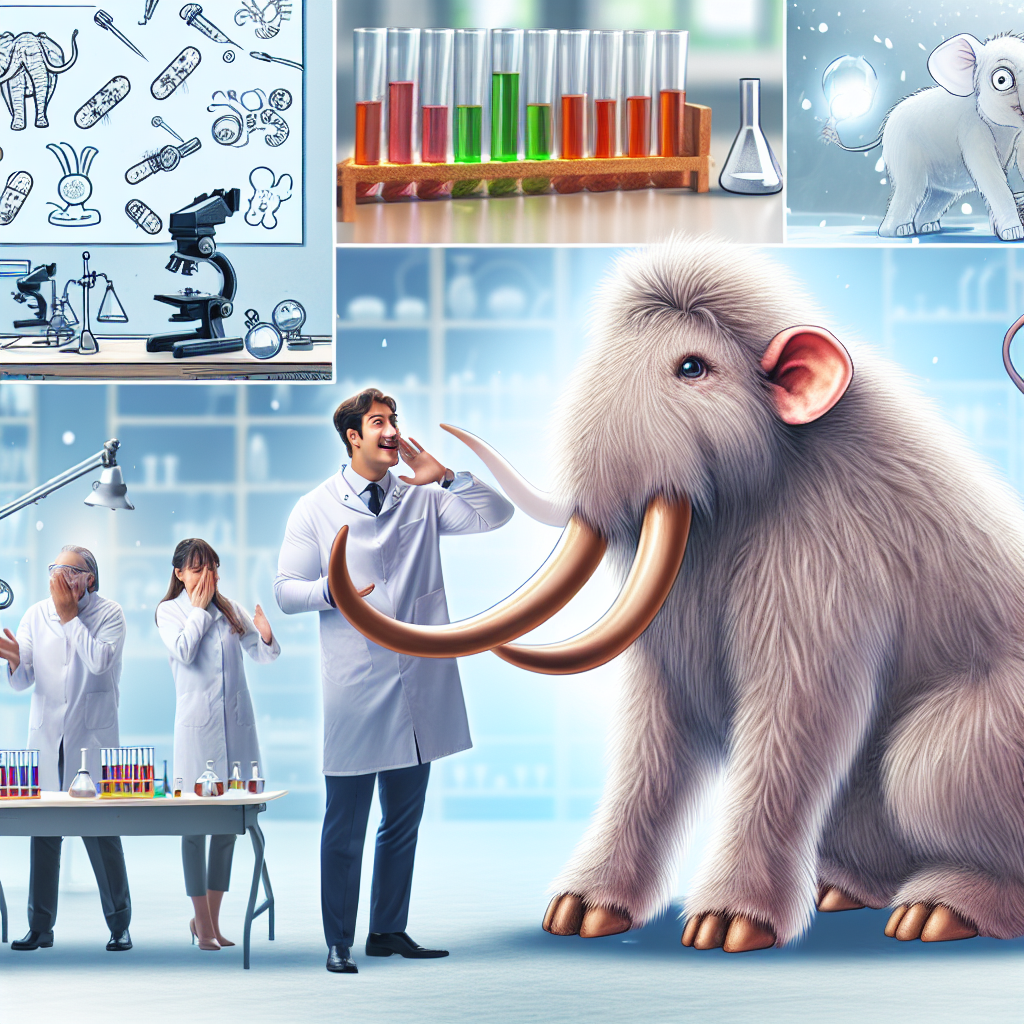
Reviving the Past: How Colossal Biosciences is Bringing the Woolly Mammoth Back to Life With a Woolly Mouse
Imagine a world where the woolly mammoth once again roams the Arctic tundra. What sounds like something out of a sci-fi movie is edging closer to reality, thanks in part to the revolutionary work being done by Colossal Biosciences. Colossal has embarked on a groundbreaking journey to resurrect extinct species, starting with everyone’s favorite Ice Age icon, the woolly mammoth. Enter the "woolly mouse"—an extraordinary stepping stone in their quest to bring the woolly mammoth back to life.
This article delves into the mind-boggling realm of de-extinction, focusing on how Colossal Biosciences is making strides in reviving woolly mammoths by first creating a "woolly mouse". We’ll explore the genetic engineering behind these ambitious plans, the ethical considerations at play, the potential impacts on modern ecosystems, and what this means for the future of biodiversity.
The Vision of De-extinction
The concept of de-extinction is as fascinating as it is controversial. Essentially, de-extinction refers to the process of reviving extinct species using advanced biotechnology. With global biodiversity declining at an unprecedented rate, the idea of restoring extinct species has garnered widespread attention. The woolly mammoth, often considered the poster child of de-extinction, went extinct around 4,000 years ago, largely due to climate change and hunting by humans.
Why the Woolly Mammoth?
The woolly mammoth holds particular allure for scientists and the public alike. Here are some reasons why:
- Iconic Status: Their image is synonymous with the Ice Age and prehistoric wonders.
- Biological Relatives: The existence of close genetic relatives, like the Asian elephant, makes genetic reconstruction more feasible.
- Ecosystem Impact: Restoring mammoths could potentially rejuvenate Arctic grasslands, combatting climate change effects by turning tundra back into carbon-sequestering grasslands.
The Pathway to a Woolly Mouse
To grasp Colossal Biosciences’ pioneering efforts, it’s important to understand the incremental approach they are taking to de-extinct the woolly mammoth.
Genetic Engineering and CRISPR Technology
The creation of the woolly mouse required the precise use of advanced genetic techniques:
-
CRISPR-Cas9 Technology: By utilizing this gene-editing tool, scientists can make targeted changes to the DNA of living organisms. In the case of the woolly mouse, isolating specific mammoth genes and inserting them into the genome of a lab mouse.
- Gene Selection: Selection of genes that are believed to be responsible for mammoth traits such as fur density, fat storage, and even blood circulation adapted to cold climates.
Bridging the Gap Through Intermediate Species
Why start with a "woolly mouse"? Several strategic reasons support this decision:
- Proof of Concept: Demonstrates that mammoth genes can be functional and express desired traits in a living organism.
- Scalability: Working with mice allows for rapid generation times and easier laboratory management.
- Model Organism: Mice are a common model organism in biological research, ideal for understanding gene function.
By proving that mammoth genes can function properly in a controlled environment, Colossal sets the stage for more complex efforts involving existing elephant species.
Ethical Considerations in De-extinction
The quest to resurrect extinct species like the woolly mammoth inevitably brings up numerous ethical questions. Let’s explore some of these:
Biodiversity and Ecosystem Balance
- Positive Impact: Restoration of extinct species may help preserve or restore ecosystems and biodiversity.
- Risks: Introduction of species may disrupt current ecosystems, leading to unforeseen consequences.
Animal Welfare
- Responsibility: Scientists must ensure that revived species are treated ethically and humanely.
- Purpose: Animals shouldn’t be created just for scientific curiosity but for meaningful ecological and conservation purposes.
The Future: From Mice to Mammoths
Colossal Biosciences doesn’t just aim to stop at a "woolly mouse". The work serves a crucial role as a proof of concept for using gene-editing technology in more complex organisms, like elephants, which will serve as surrogate mothers in the future.
Key Steps Moving Forward
- Scaling Up Gene Editing: Implementing mammoth genes into elephant DNA efficiently and safely.
- Embryonic Development: Ensuring successful embryo development and implantation in surrogate elephant mothers.
- Habitat Preparation: Creating or identifying suitable natural reserves for hosting these hybrid creatures.
Implications for Science and Society
The implications of de-extinction and projects like Colossal Biosciences’ are vast, potentially altering not only the principles of conservation biology but challenging societal norms about our past, present, and future interactions with nature.
Science and Innovation
- Genetic Research: Advances in genetic research and biotechnology driven by projects of this nature.
- Conservation Efforts: New techniques could revolutionize the way endangered species are preserved today.
Society and Culture
- Educational Opportunities: Increased awareness of genetic science and conservation through public interest.
- Philosophical Considerations: Challenges our understanding of life’s continuity and our role in nature.
Conclusion: A Woolly Future Reimagined
As Colossal Biosciences walks this groundbreaking road, starting from the creation of a "woolly mouse" and advancing toward larger goals, we stand on the precipice of witnessing a modern-day marvel—the return of the woolly mammoth. This is more than just a curiosity or a way to play nature’s architect; it’s also a profound statement on humankind’s incredible ingenuity and the endless possibilities when science meets imagination.