
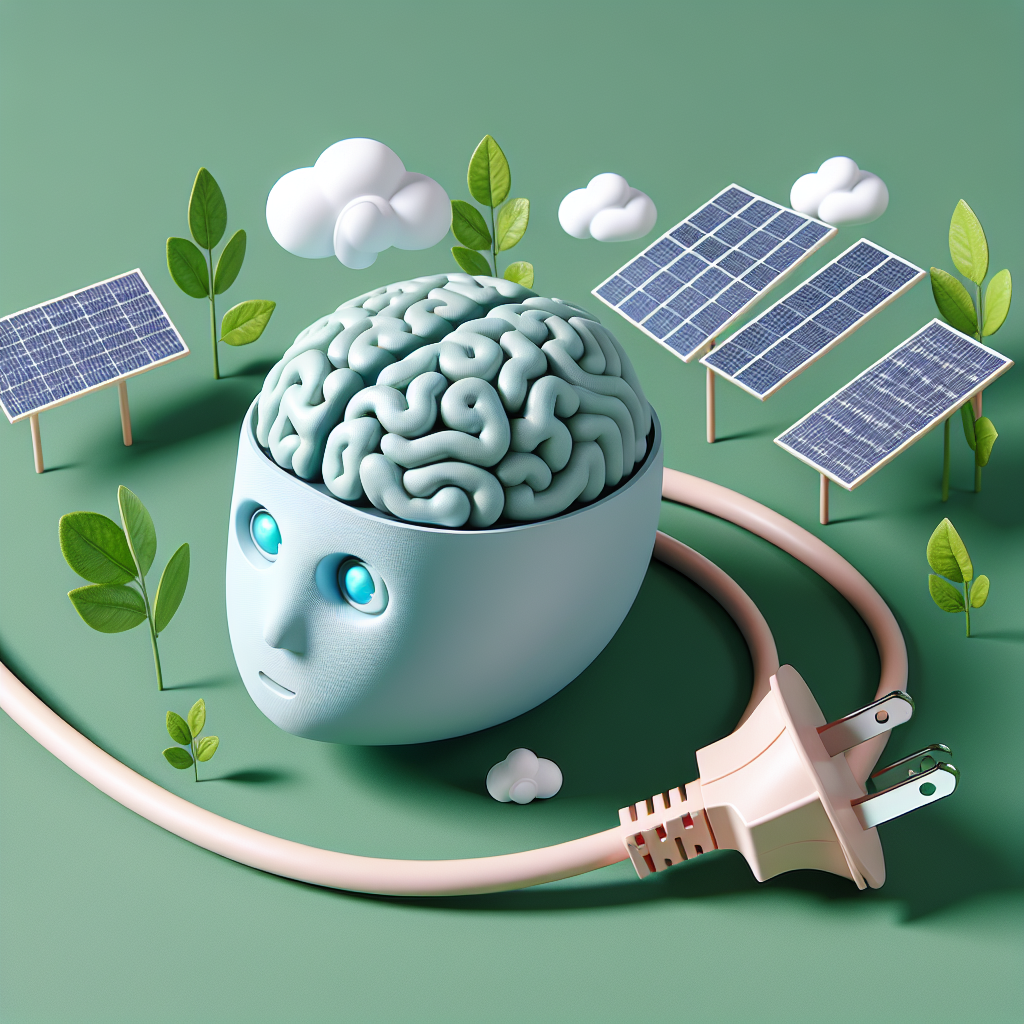
ChatGPT: Surprisingly Efficient and Less Power-Hungry Than You Think!
In a world increasingly driven by artificial intelligence and machine learning, one concern that often accompanies these technological marvels is their energy consumption. As AI technologies like ChatGPT become more prevalent, understanding their environmental impact is essential. However, recent findings suggest that ChatGPT may not be as power-hungry as once assumed. Let’s dive into how this AI model is breaking the traditional notion of energy consumption, making it both innovative and eco-friendly!
The Energy Myth Surrounding AI
For a while, the general perception was that AI models, particularly those as advanced as ChatGPT, require substantial amounts of computational power, thereby consuming massive amounts of energy. This assumption stems from several factors:
- Complex computations: AI models, especially language models, process vast quantities of data that involve intense computations.
- Massive training datasets: Training these models necessitates large datasets, leading to prolonged computational hours on powerful hardware.
- Infrastructure demands: AI development often involves expansive infrastructures that consume considerable power.
However, the latest advances in AI technology and its application challenge these assumptions. Let’s explore the ways in which ChatGPT is leading this energy shift.
Technological Innovations and Energy Efficiency
Optimized Training Processes
One of the primary factors reducing ChatGPT’s energy consumption is the optimization of training processes:
- Efficient Algorithms: With continuous research and development, more efficient algorithms have been developed that require less computational power.
- Transfer Learning: Instead of training models from scratch, transfer learning allows for refining existing models, drastically cutting down energy requirements and training time.
- Batched Processing: Training data is processed in batches rather than single instances, improving efficiency and reducing the overhead on computing resources.
Hardware Innovations
Recent advancements in hardware have significantly contributed to energy efficiency:
- Specialized AI Chips: Dedicated AI processors, such as Tensor Processing Units (TPUs), offer powerful yet energy-efficient computing solutions.
- Energy-Efficient GPUs: Modern GPUs are designed to optimize power usage, maintaining performance without excessive energy consumption.
Cloud and Distributed Computing
Cloud computing has become a game-changer in the realm of AI:
- On-Demand Resources: Utilizing cloud resources allows for scaling infrastructure based on demand, eliminating wasted energy from unused hardware.
- Distributed Computing: Distributing tasks across a network of systems ensures balanced and efficient processing, which helps in reducing the total energy footprint.
- Green Data Centers: Many cloud service providers are moving towards renewable energy sources, further reducing the carbon footprint of AI operations.
ChatGPT and Sustainable AI Practices
Responsible Development
OpenAI and other leading AI developers are committed to creating sustainable AI models with responsible practices:
- Monitoring Energy Use: Actively monitoring and optimizing energy consumption is integral during the development phases.
- Setting Benchmarks: Establishing energy-efficiency benchmarks encourages ongoing improvements and innovation.
Curbing Carbon Footprints
While it may seem that AI models inherently have large carbon footprints, steps are being taken to mitigate these:
- Renewable Energy Utilization: Companies are increasingly sourcing renewable energy to power their data centers.
- Efficient Scaling of Infrastructure: By scaling up or down according to need, energy waste is minimized.
- Collaborative Efforts: Industries are collaboratively working towards sharing best practices and developing guidelines for sustainable AI.
Real-World Impact of Efficient AI
Lower Environmental Footprint
Efficient AI models like ChatGPT significantly reduce the environmental footprint by minimizing energy consumption. This results in:
- Decreased greenhouse gas emissions.
- Conservation of energy and natural resources.
Economic Benefits
Reducing energy consumption also brings about economic advantages:
- Operational Cost Savings: Lower energy use translates to reduced operational costs, benefiting both developers and users.
- Increased Accessibility: More cost-effective AI solutions make advanced technologies accessible to a broader audience, fostering inclusivity and innovation.
Future Trends: Towards Greener AI
The focus on reducing AI’s carbon footprint is set to intensify:
Technological Innovations
- Quantum Computing: As quantum computing evolves, it promises to further revolutionize AI by offering unprecedented computational efficiencies.
- Hybrid Models: Combining different AI models and approaches could lead to more resource-efficient solutions.
Global Policies and Guidelines
- Regulatory Frameworks: Governments and international bodies are likely to develop frameworks to ensure environmentally responsible AI development.
- Industry Collaboration: Ongoing partnerships within the tech industry to develop, share, and implement sustainable practices.
Conclusion: Embracing the Future of AI with ChatGPT
While AI technologies continue to evolve, the perception of them being power-hungry entities is steadily shifting. With advancements in both technology and responsible practices, AI models like ChatGPT exemplify how innovation can align with sustainability goals. As we move forward, it’s imperative to embrace these advancements and support efforts that steer the industry towards a more energy-efficient future.
In the realm of AI, being informed not only enhances usage but also aligns us with the global vision of sustainability. Let’s celebrate models like ChatGPT for not being just a technological marvel but also a beacon of hope for a sustainable future.
By understanding the present and future impacts of AI models like ChatGPT, we can appreciate the positive strides towards achieving an eco-friendly digital age. Stay informed, stay sustainable!