
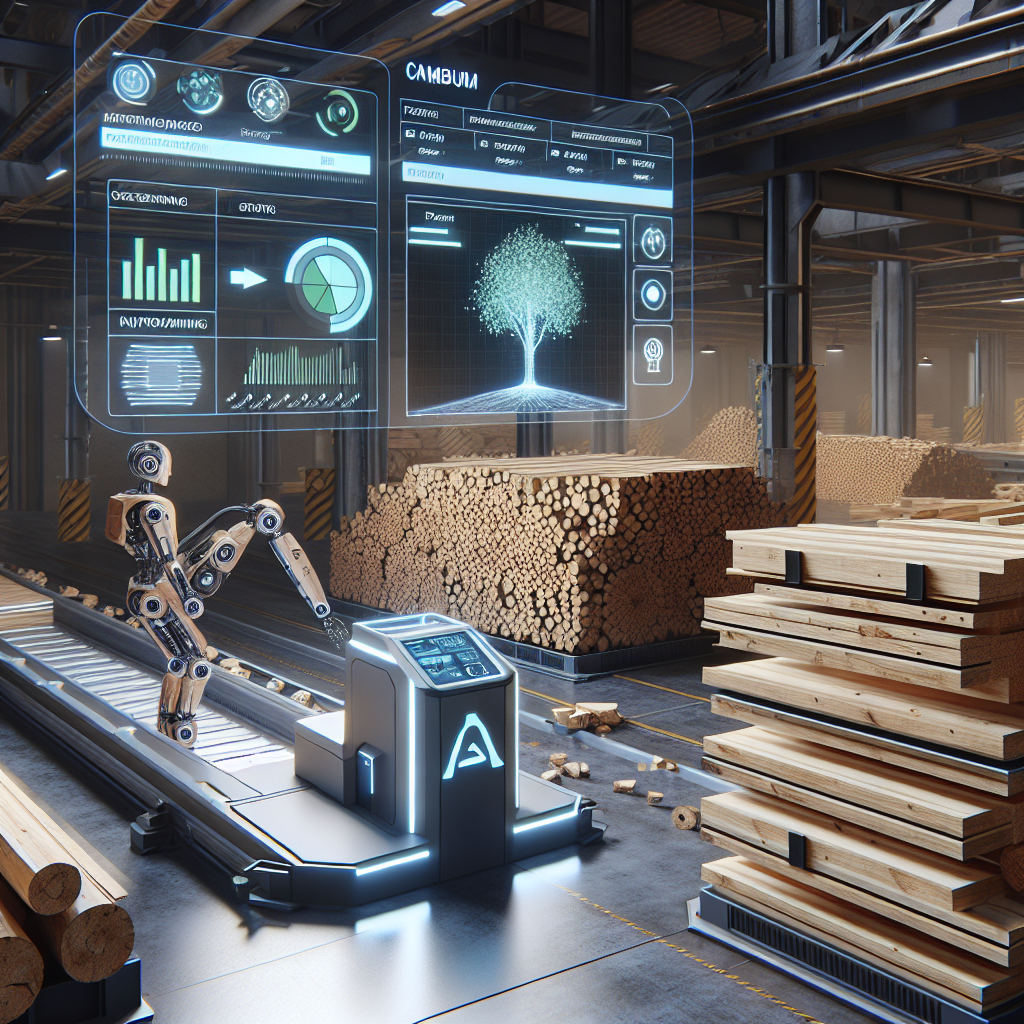
How Cambium’s AI Revolutionizes Waste Wood Conversion into Usable Lumber
Wood conversion has long been a challenge in the lumber industry, with tons of waste wood piling up in sawmills and industrial sites every day. Cambium is at the forefront of an innovative breakthrough with an AI-driven solution that promises not just to minimize waste but also to transform it into usable lumber efficiently. Let’s dive deep into this fascinating development and understand how Cambium’s AI is turning the tables in waste wood management.
The Growing Problem of Waste Wood
Waste wood is a significant environmental issue, contributing to landfills and exacerbating deforestation. Addressing this challenge is crucial for sustainable forestry and environmental conservation.
What Causes Waste Wood?
Approximately 30% of harvested trees are deemed waste by industry standards due to:
- Overproduction: Demand and supply mismatches often result in surplus.
- Defects: Warping, knots, and other defects render some wood unusable.
- Processing Losses: Inefficient processes during cutting and milling lead to waste.
The Environmental Impact
- Landfill Overflow: Waste wood contributes heavily to landfill overflow, creating a significant environmental problem.
- Carbon Footprint: Decaying wood releases greenhouse gases, contributing to climate change.
- Deforestation: Inefficient wood use drives additional tree harvesting to meet demand, putting more pressure on forests.
Cambium: Pioneering AI in Lumber Conversion
Cambium is addressing these issues with a technologically advanced solution using AI. The company’s innovative approach could not only streamline waste wood management but also enhance efficiency in wood processing.
What is Cambium’s AI and How Does It Work?
Cambium’s AI technology employs machine learning algorithms and data analytics to analyze and process waste wood. Here’s how it works:
- Data Analysis: AI analyzes different parameters such as texture, density, and defects in waste wood.
- Dynamic Optimization: Using predictive modeling, the AI suggests optimal processes to convert waste into usable lumber.
- Real-Time Monitoring: Continuously monitors wood processing, ensuring high-quality output and minimizing further waste.
Key Features of Cambium’s AI Technology
- Precision: Identifies the most suitable processing method for each piece of waste wood.
- Efficiency: Reduces processing time and labor significantly.
- Sustainability: Regenerates approximately 70% of waste wood into high-quality lumber.
The Benefits of Using AI in Wood Conversion
Implementing AI technology in waste wood conversion comes with multiple advantages:
Environmental Benefits
- Reduction in Deforestation: By maximizing the use of harvested trees, there is less need to cut down additional trees.
- Waste Reduction: Significantly decreases the volume of waste wood dumped into landfills.
- Carbon Savings: Reduces carbon emissions associated with wood decay and processing.
Economic Advantages
- Increased Profitability: Efficient conversion leads to more salable lumber from the same amount of raw material.
- Cost Savings: Reduces expenditures on waste management and new material acquisition.
- Job Creation: Opens avenues for skilled workforce roles in AI maintenance and operation.
Challenges Faced in AI Integration
Despite its groundbreaking potential, integrating AI technology doesn’t come without challenges:
Technical Challenges
- Data Quality: Ensuring high-quality data input for accurate AI analysis.
- Algorithm Complexity: Sophisticated algorithms require skilled oversight and constant refinement.
- Scalability: Ensuring that AI solutions can be scaled across different facilities and wood types.
Adoption Hurdles
- Resistance to Change: Traditional industries often resist adopting new technologies.
- Initial Investment: High upfront costs can be a deterrent for smaller businesses.
- Training Requirements: Employees need adequate training to manage AI systems effectively.
Future Prospects of AI in Timber Industry
Cambium’s pioneering efforts are setting the stage for future developments in the timber industry.
Potential Developments
- AI-Powered Forestry Management: Complementing wood conversion with AI systems that optimize forest management and harvesting.
- Global Application: Scaling technology across international borders for vast environmental benefits.
- Fully Automated Lumber Mills: Moving from semi-automated processes to fully automated AI-driven systems.
Industry Implications
- Sustainability Leadership: Companies leveraging AI technology position themselves as leaders in sustainability.
- Regulatory Evolution: Paving the way for policies encouraging technology adoption for ecological conservation.
- Research and Innovation: Stimulating additional technological advancements and research opportunities.
Conclusion
Cambium’s AI technology is not just a leap forward for the lumber industry, but a step toward a more sustainable future. By effectively converting waste wood into usable lumber, Cambium is mitigating environmental impact while promoting economic growth. As this technology develops, it sets a precedent for industries striving to harmonize efficiency with ecological stewardship.
The journey of Cambium showcases a remarkable confluence of technology and environmental science, heralding a new era of sustainable industrial practices. This innovative approach shines as a beacon of hope in the ongoing quest to balance human activity with the natural world.
Stay tuned to witness this transformative journey and the continued evolution of AI in industrial applications. Cambium isn’t just building better wood products; they’re building a sustainable legacy.