
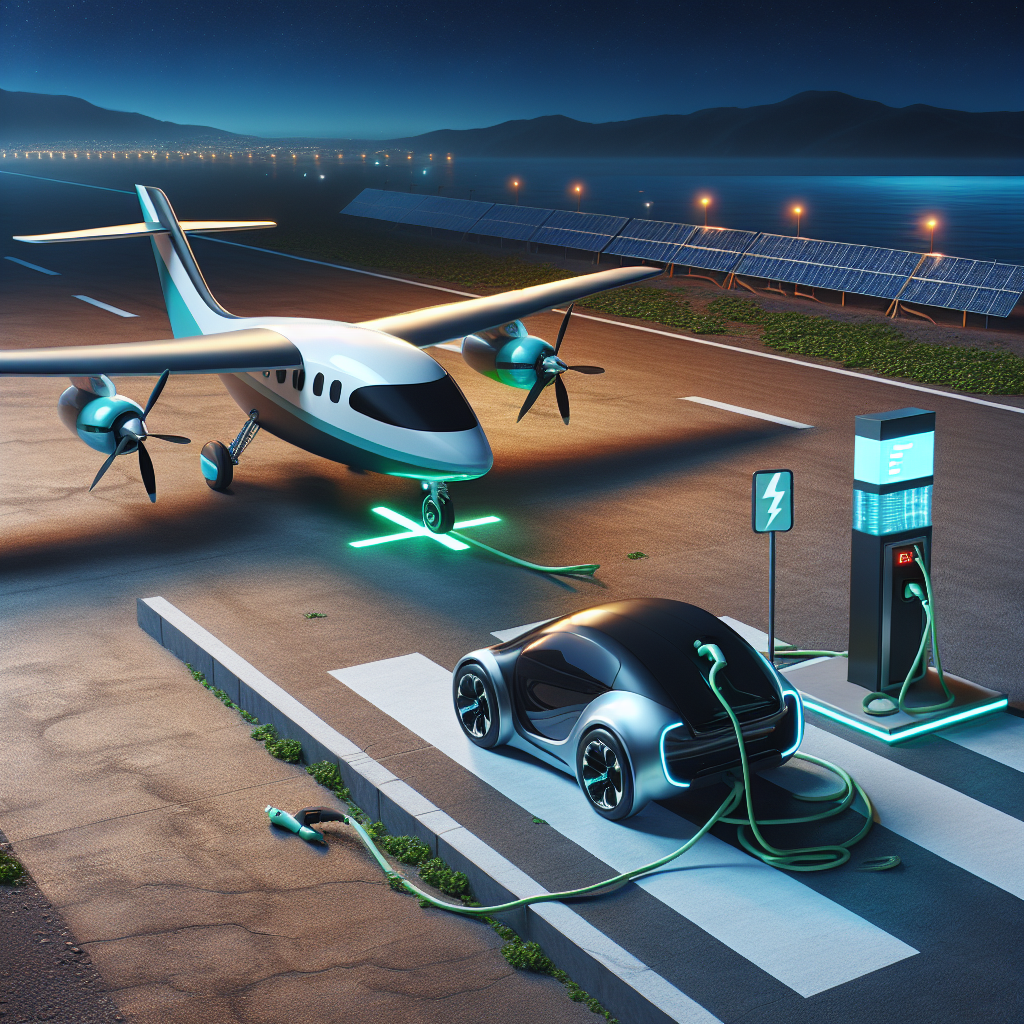
Revolutionizing the Skies and Charging Lanes: A Look into Beta Technologies’ Electric Flight and Hyundai’s Charging Experiment
In a rapidly advancing world, where innovation often soars high and revs up fast, electric mobility both in the air and on ground is making remarkable strides. Beta Technologies and Hyundai are two companies at the forefront of this transformation. While Beta Technologies focuses on electric aviation, Hyundai is experimenting with charging systems that could potentially outpace their competitors. However, Hyundai’s new Tesla charging port comes up short, raising questions about the future of electric vehicle infrastructure. In this article, we delve into the fascinating world of electric flight and the evolving charging landscape, exploring their potential and challenges.
The Rise of Beta Technologies: Electrifying the Skies
A New Era in Aviation
Beta Technologies is pioneering a movement that could redefine how we think about transportation. With a mission to transition to safer and more efficient electric aircraft, they are capturing imaginations and changing the skies, one electric flight at a time.
- Electric Aircraft: A concept that promises zero emissions, reduced noise pollution, and significant reductions in operating costs.
- Pioneering Models: The company’s flagship models, such as the Alia-250, represent cutting-edge aerodynamics and battery innovation.
Why Electric Flight?
Switching to electric aircraft offers numerous benefits over traditional combustion engines:
- Environmental Impact: Electric aircraft significantly lower carbon footprints.
- Operational Efficiency: Reduced fuel costs and maintenance demands lead to optimized operations.
- Innovation and Safety: Advanced avionics and battery systems improve safety standards.
Challenges for Electric Flight
Despite the promise, electric aviation faces several hurdles:
- Battery Limitations: Current battery technology limits flight duration and payload capacity.
- Infrastructure Needs: A new wave of charging infrastructure is necessary for electric aircraft, paralleling challenges seen in the EV automotive industry.
Hyundai’s Foray into Electric Vehicle Charging
A Drive for Competitiveness
Hyundai’s venture into electric vehicle charging aims to keep pace with market leaders like Tesla:
- Innovation Goals: To improve convenience, speed, and accessibility of EV charging.
- Tesla Compatibility: Introducing charging ports aimed at compatibility with the existing Tesla infrastructure.
The Charging Port Conundrum
Hyundai’s project kickstart with high hopes, yet Hyundai’s new Tesla charging port comes up short:
- Technical Incompatibilities: Despite intentions, technical challenges hinder seamless interoperability.
- User Experience Challenges: Customers face inconvenience and delayed charging processes.
Learning from Shortcomings
Hyundai’s experience provides valuable lessons:
- Open Standards Advocacy: Collaboration with industry bodies is critical to developing open charging standards.
- Focus on User-Centric Design: Emphasizing intuitive design to improve user experience.
Integrating Air and Ground Electric Infrastructures
Synergies Between Air and Ground Innovations
Understanding the parallels and learning in the field of electric flight and EV charging:
- Cross-sector Collaborations: Collaboration across air and ground electric mobility companies can lead to accelerated innovation.
- Holistic Infrastructure Development: Building cohesive infrastructure systems that cater to both aircraft and vehicles.
Future Outlook
Both sectors could witness transformative changes if they break through the current barriers:
- Advanced Battery Technologies: Innovations could extend range and capacity in both sectors.
- Government Policies and Incentives: Support in the form of subsidies or grants for infrastructure and research can drive developments forward.
The Role of Consumers
Consumption behaviors can drive or dampen the progress of these technologies:
- Awareness and Education: Continued information dissemination allows consumers to make informed choices steering market demand.
- Feedback Loops: Consumers provide critical feedback that can aid in product and service iterations.
Conclusion: A Shared Electric Vision
The vision of an electrified future in both skies and ground lanes is rapidly becoming a reality. With companies like Beta Technologies and Hyundai leading the way, albeit encountering inevitable challenges, the path forward remains dynamic and promising. As technologies evolve and infrastructures develop, these pioneering efforts will shape how we maneuver our world, making it cleaner, quieter, and more efficient—with Beta Technologies transforming aviation and Hyundai redefining roadside mobility.
Call to Action
With continued interest and investment in electric advances, stakeholders at every level—from manufacturers to end users—are encouraged to participate actively. Together, we can craft a sustainable future that aptly balances innovation with environmental responsibility.
What do you think the future holds for electric aviation and charging technology? Share your thoughts in the comments below!
Note: The information presented in this article reflects the status as of the most recent advancements in the electric aviation and charging industries. Stay tuned for ongoing updates as technologies evolve!